Interested in learning more about WW2? In this article, we’ll explore the early days of the war, covering everything from pivotal events, crucial alliances, and new and groundbreaking military tactics that would change the course of history forever.
Join us as we take a look into the beginnings of this global conflict, examining the manoeuvres and strategies that nations employed as they were thrust onto the world stage, setting in motion a series of events that would reshape the 20th century.





The Start Of WW2
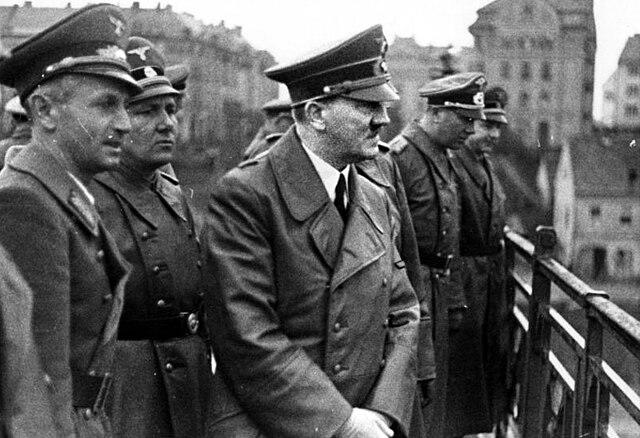
World War 2 would begin with a series of events that would eventually culminate in a war so large it spread over the globe, dragging various countries into the conflict. Although war had loomed on the horizon for many years, it would officially begin when Germany made the ill-fated decision to invade Poland on September 1, 1939, under the orders of Adolf Hitler.
This aggressive action was a result of the former painter's desire to expand Germany’s territory, a concept he called Lebensraum or living space. In years previous, he had successfully dismantled Germany's former post-war government and installed the Nazi party as the new ruling power, and from here, his misguided ambitions had only grown.
By employing a tactic known as blitzkrieg, Germany would attempt to force Poland into submission and gain new territory. One of the main reasons Hitler was so confident he could take Poland was due the secret negotiations he had with the Soviet Union. Fearing the Soviet Union would come to the aid of its neighbor, the Germans had signed a pact with the Russians agreeing that Poland would be divided between them. However, this did not stop Britain and France from declaring war on Germany once Hitler made his move, marking the beginning of a war so devastating it would change the world forever.
What Role Did Global Alliances Play in the Start of the War?
There’s no doubt that global alliances had a huge role to play in shaping the dynamics of World War 2. For example, prior to the outbreak of the war, several key alliances would be formed, including the Franco-British alliance which was mainly created due to the growing threat of Germany.
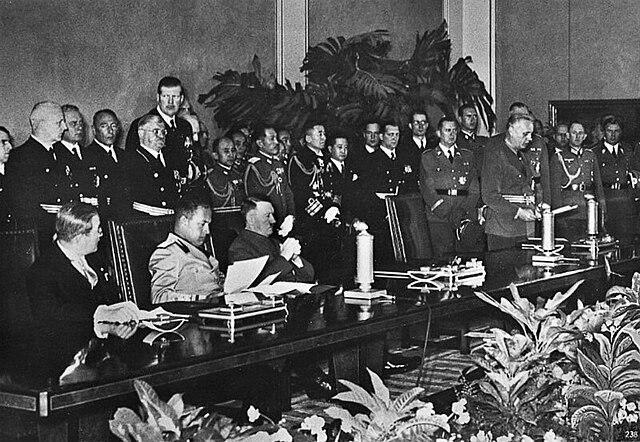
Similarly, the Anglo-Polish alliance was also crucial, as it was the main reason Britain would go on to defend Poland once it was invaded. Alongside this, as previously mentioned, Germany had also formed a secret alliance with Russia, with both countries seeking to profit from the invasion of Poland, and potentially large swathes of Europe in the future. However, this wasn’t the only alliance Germany was a part of - there was also the Tripartite Pact, which formed the backbone of the Axis powers. Alongside Germany, other important members of this alliance included Italy and Japan, who would go on to align their military ambitions during the war.
What Were the Early Military Strategies of World War 2?
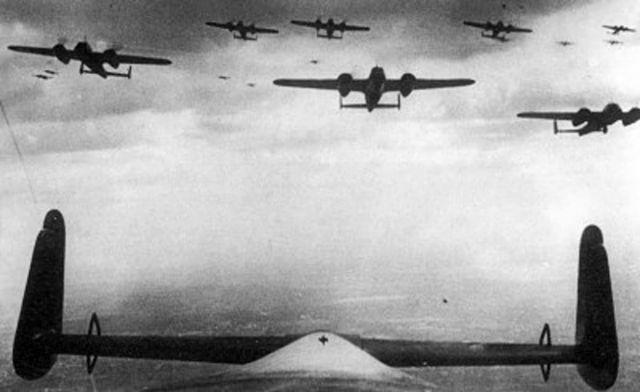
During the early changes of World War 2, military tactics across the board would be drastically changed - especially by the Axis powers. By introducing a groundbreaking new strategy known as Blitzkrieg, which massively revolutionized conventional warfare, the Germans could attack and overwhelm their opponents swiftly. But how did this tactic work?
Essentially, this approach involved high-speed assaults that combined the power of tanks, aircraft and infantry. This strategy was first used in the invasion of Poland and later on in the early campaigns in Western Europe, including the fall of France in 1940. At first, the Allies struggled to deal with the Blitzkrieg, relying on more traditional forms of warfare which didn’t always prove effective, such as employing static defensive lines like the Maginot Line.

How Did Countries Around the World React to the Outbreak of the War?
So how did countries around the world react to the start of a new world war? Well, whilst France and Britain had immediately declared war on Germany, other European countries such as Belgium, the Netherlands, and Norway, initially attempted to remain neutral in order to avoid being dragged into the ever-growing conflict.
However, facing invasion or the reality of their neighbours falling to Axis powers, they could not remain neutral for long, eventually taking a more active role in the war. In the East, Japan’s imperialistic ambitions had already resulted in conflict in China, with both Japan's aggressive expansion in Asia and the Pacific setting the stage for broader conflict.
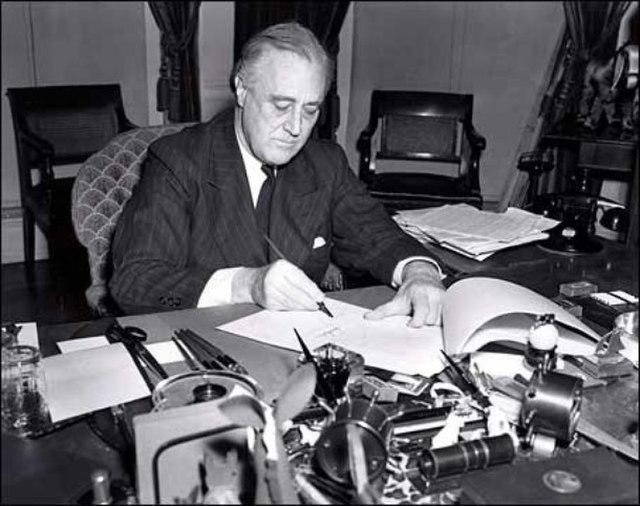
Eventually, this would lead to the Second Sino-Japanese War, which was essentially the start of World War 2 in the Asian theatre. Meanwhile, the United States, also seeking to avoid conflict, provided economic support to the allies through initiatives like the lend-lease Act. However, they would eventually play a more active part in the war in the years to come.
What Were the Crucial Early Battles and Turning Points?
The early years of World War II were marked by several crucial battles and turning points. The Battle of Britain (1940) was a significant early turning point. Despite heavy bombardment in the German air campaign known as the Blitz, the British Royal Air Force successfully defended the United Kingdom from a planned German invasion.
In North Africa, the seesaw battles between the British and German forces, notably at El Alamein, were pivotal in maintaining control over the Mediterranean and Middle Eastern regions. Additionally, the German invasion of the Soviet Union, Operation Barbarossa (1941), marked one of the largest and most brutal campaigns in the war. The Soviet resistance, particularly during the Battle of Moscow and later at Stalingrad, marked significant turning points, halting the German advance and beginning the pushback against Axis forces in Eastern Europe.
How Did Advances in Technology Impact the Early War Efforts?
Much like the First World War, World War 2 would see the development and use of many new technologies that would drastically reshape warfare. For example, the development of radar gave the Allies a chance to react to Axis attacks by providing early warnings that German planes would soon be flying overhead.
Additionally, when it came to weaponry, the early years of WW2 saw massive improvements in tank and aircraft capabilities too. For example, the German Blitzkrieg was only possible because of the Panzer tank - which combined speed, armour, and firepower into a devastating and terrifying package. Similarly, the development of aircraft, such as the German Messerschmitt Bf 109 and the British Spitfire, featured improvements in speed, manoeuvrability, and armament, making air combat another pivotal component of the war.
Conclusion
In conclusion, the start of World War 2 began with Germany's invasion of Poland. Seeking to come to the rescue of Poland, Britain and France would declare war on Germany, kickstarting World War 2. From here, more and more countries would be dragged into a war so encompassing it would spread around the globe, regardless of whether they wanted to remain neutral.
The early stages of World War 2 saw the use of new and devastating military strategies, such as Germany's Blitzkrieg tactic, which was only made possible by rapid advancements in the technology of the time. All in all, the early days of World War II highlighted a significant shift in the way wars were fought and how nations interacted on the world stage.
Summarise with AI:
Did you like this article? Rate it!

 Loading...