At some point in your life, you’ve probably heard the term “The American Dream”, right? Basically, it’s the idea that anyone, no matter their beginning, can achieve success with enough hard work and determination.
But how did this concept evolve shortly after World War II when America was under the leadership of Harry Truman?
Well, buckle up, because in the following article we’ll be taking a thorough journey through a post war America, looking at everything from the powers of presidency to the rise of McCarthyism, and how these changes impacted American civilians' way of life. Keep reading below.





How Did Truman's Presidency Shape America?
In 1945, Harry S. Truman would find himself suddenly thrust into the role of president after Franklin Roosevelt’s death in the same year. From the get go, Truman’s time in office would see a notable increase in the overall power and influence of government, especially when it came to domestic and foreign programs.
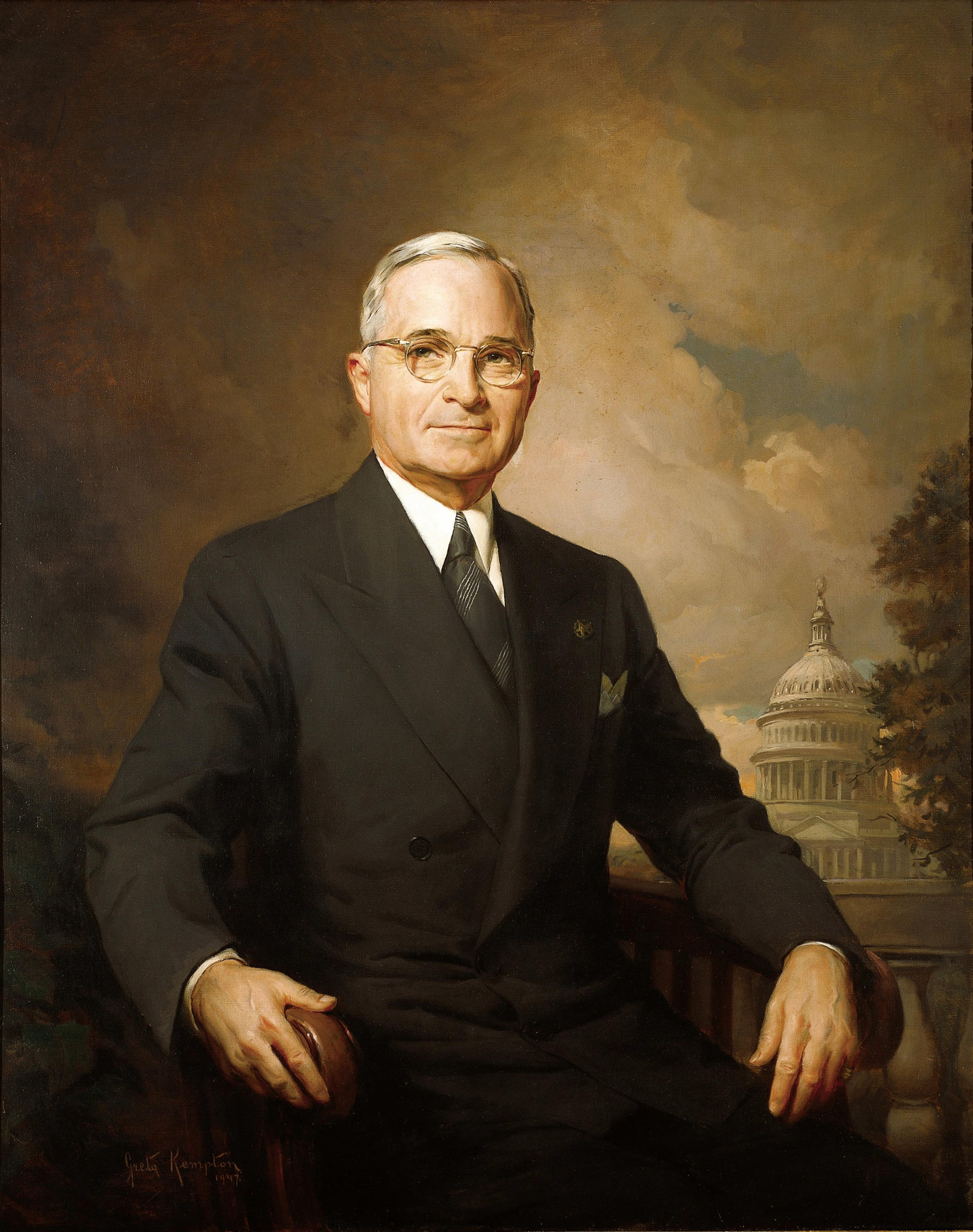
On the international stage, Truman famously took a firm stance against the Soviet Union who had long been a bitter rival of the United States. Unfortunately, this would lead to both nations being plunged into a tense and frightening period in history called the Cold War.
What Was the Political Landscape Post-War?
‘After the war had drawn to a close, America’s political scene was essentially a tug of war between two major parties - the Democrats and the Republicans.
The Democrats, led by Truman, advocated for continuing progressive reforms in a bid to help people across the country rebuild their lives.
Truman’s Fair Deal, proposed in 1949, aimed to expand social security, increase the minimum wage, and implement anti-discrimination policies in hiring.
His vision was to extend the benefits of the New Deal and address pressing issues like unemployment, housing shortages, and civil rights issues. However, these efforts often met strong resistance.
On the other side, the republic’s pushed for a smaller government with less intervention in the economy. Additionally, they were a lot less enthusiastic about the high levels of government spending required for Truman's ambitious programs, believing the private sector should take the lead in economic matters.
What Role Did McCarthyism Play in This Era?
Amidst the political battles between the two parties, the late 1940s and early 1950s also saw the rise of McCarthyism.
During this time, intense anti communist sentiment began to spread like wildfire amongst both the government and the general public, with many fearing soviet infiltration was a very real possibility.
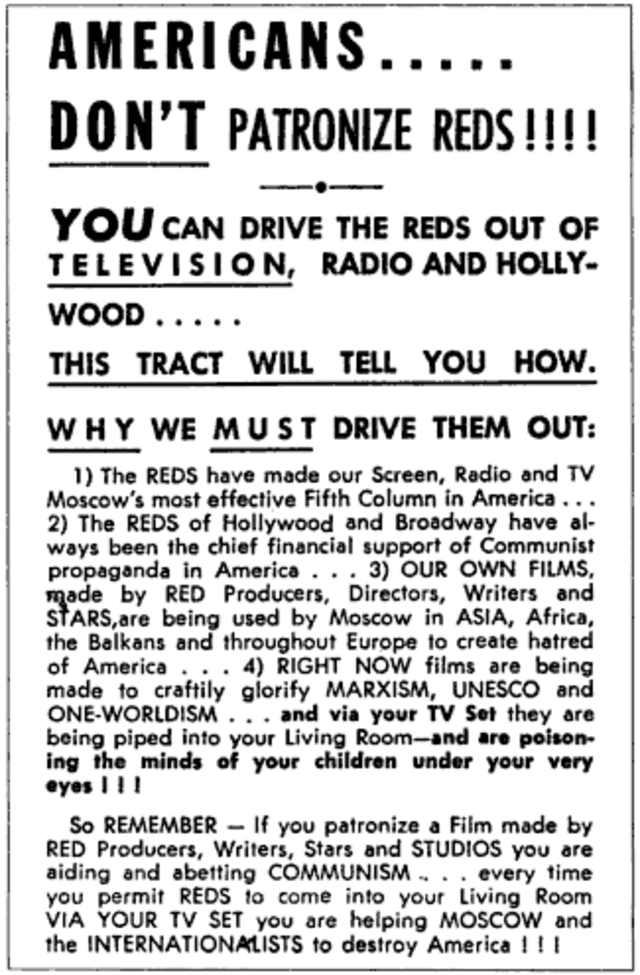
McCarthyism would get its unique name from Senator Joseph McCarthy, who had become the de facto face of the anti communist crusade after claiming he had a list of communists working in the state department in 1950.
McCarthy's dramatic accusations ignited a nationwide panic, leading to a series of high-profile hearings which targeted everyone from government officials to people in the entertainment industry.
Sadly, these hearings often relied on flimsy evidence and coerced confessions, resulting in numerous innocent people being blacklisted and losing their livelihoods.
Additionally, everyday civilians also began to examine their neighbours, friends, and even family with heightened suspicion, leading to a nationwide atmosphere of paranoia and mistrust.
How Did Truman Deal with the Rise of Communism in Asia?
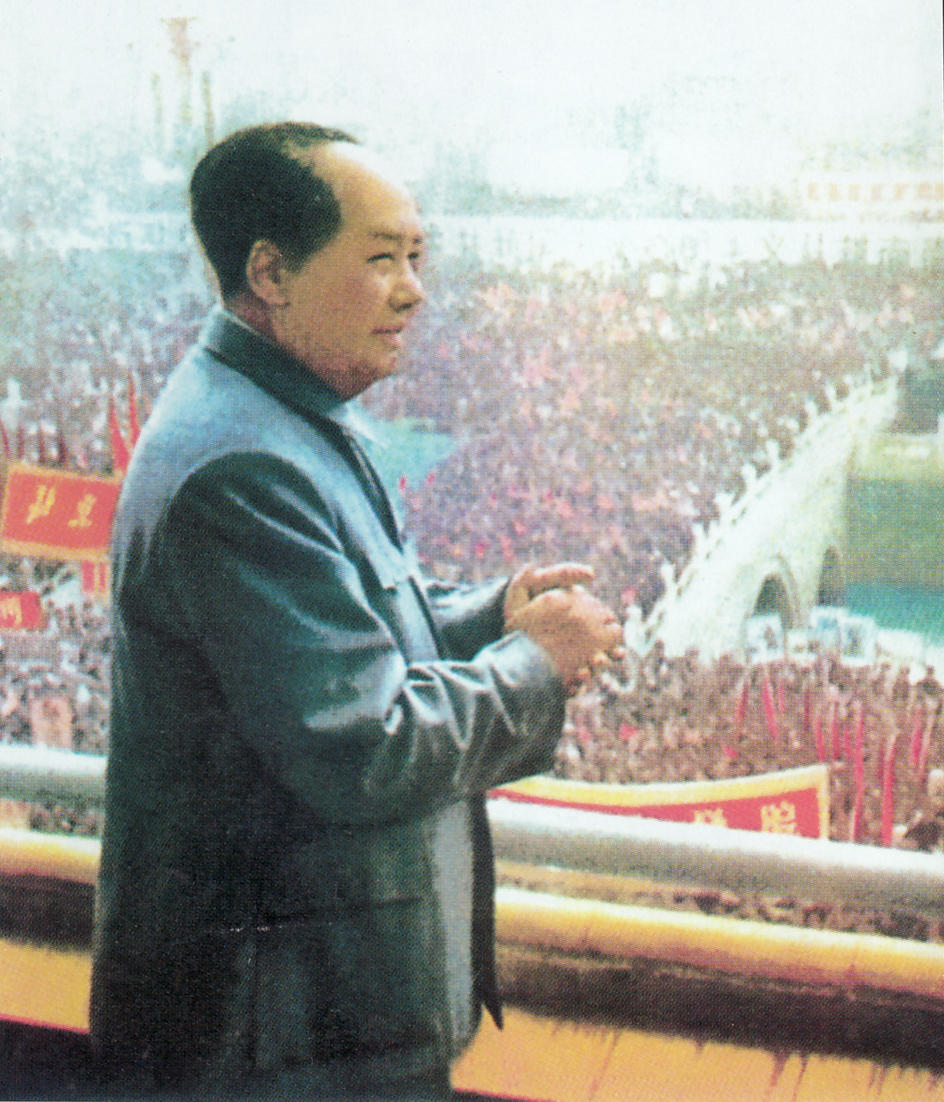
After WWII, the geopolitical landscape in Asia began changing rapidly. In 1949, Mao Zedong’s Communist forces took control of China, shifting the balance of power and heightening fears of further communist spread. In order to try and put a stop to this, Truman decided to adopt a policy of containment in Asia.
The Korean War was a prime example of this approach. In 1950, North Korea, backed by the Soviet Union and China, invaded South Korea. Seeing this, Truman quickly sent American troops to support South Korea under the United Nations. The war would rage on until 1953, finally ending in a stalemate with Korea remaining divided between North and South.
How Did America Achieve Post-War Prosperity?
However, it wasn’t all bad news after the end of World War 2. In fact, America would experience an immense wave of economic growth in the years following. Why was this?
Well, first and foremost, wartime production had bolstered American industry, and the end of the war unleashed a surge in consumer demand.
Generally, people were eager to spend their savings on goods and luxuries that had been sorely lacking during wartime - think appliances, cars, and new homes.
This surge in consumer spending fueled a rapid expansion in the manufacturing and retail sectors, creating a plethora of jobs and boosting incomes across the board.
Signed in 1944, the GI bill was created for veterans returning from war and provided them with easy access to higher education, affordable mortgages and business loans. As a result, millions of former soldiers would go on to purchase homes and open their own businesses, further bolstering the ongoing economic growth in the process.
How Did the USA Emerge as a Superpower?
With the end of World War II, the United States would emerge as a global superpower. A man of action and conviction, Truman was not a president to shy away from tough decisions.
In 1947, he would introduce the Truman Doctrine, which was primarily designed to help any country that was resisting the influence of communism. A clear stand against the Soviets, this decision was one of the main triggers for the cold war.
Truman wasn’t finished there though. In 1949, he would go on to establish NATO, a military alliance that was united in standing against soviet aggression and protecting one another should a member be invaded.
Additionally, the Marshall plan was also launched which provided economic aid to rebuild Europe, which had been hit incredibly hard by the war. Launched in 1948, this ambitious program channelled over $12 billion (equivalent to more than $100 billion today) to Western European countries to help them recover from the devastation.
What Were the Regional, Ethnic, and Social Divisions of the Time?
Sadly, despite this newfound prosperity, America still struggled with regional, ethnic and social divides amongst its people.
Returning home from war where they had fought tooth and nail for freedom, African Americans were still treated like second class citizens - especially in the south of the country.
Segregation was commonplace here, with Jim Crow laws enforcing strict racial separation in public places like schools, buses, and restaurants.
While there wasn’t official segregation in the north, the majority of African Americans still faced significant discrimination when it came to housing and employment.
For instance, redlining practices by banks made it difficult for African Americans to get home loans in many neighbourhoods, restricting their ability to buy homes in more desirable areas.
Fortunately, some progress towards equality would be made when Truman issued Executive Order 9981 in 1948, desegregating the armed forces and mandating equal treatment for all servicemen.
Conclusion
All in all, Harry Truman's time as president had a huge and long lasting impact on post war America. He expanded the role of government, confronted the spread of communism with his containment policy, and fueled significant economic growth. However, despite these beneficial changes, the nation continued to wrestle with deep regional, ethnic, and social divides and a strong fear of the spread of communism.
Summarise with AI:
Did you like this article? Rate it!

 Loading...