The Great Patriotic War and Stalin's dictatorship were both periods of immense challenge and change for the Soviet Union. Facing the brutal onslaught of Nazi Germany, the USSR rallied under Stalin, enduring devastating losses to eventually emerge victorious. This article aims to explore the resilience, sacrifices, and the iron grip of Stalinism that reshaped the Soviet Union, setting the stage for its post-war recovery and rise as a global superpower.





What Sparked the Great Patriotic War?
The Great Patriotic War would begin due to an ambitious and unprovoked military campaign called Operation Barbarossa which was led by the Germans in World War II. On June 22, 1941, Nazi Germany would launch a massive invasion of the Soviet Union, breaking the uneasy truce that had characterised the two nations' interactions in the years leading up to the war.
At first, the Soviets were caught off guard and thrown into disarray, mainly due to Stalin’s belief that the Germans would never attack his nation. As a result, the Red Army suffered huge losses, with millions of soldiers being captured, killed, or wounded. Alongside this, large swathes of soviet territory would also fall into the hands of the Nazis. However, the tides would eventually turn in the Soviet's favour, with Stalin calling upon the people’s patriotism and resilience to push back against the invaders.
How Did the War Impact the Soviet Union?
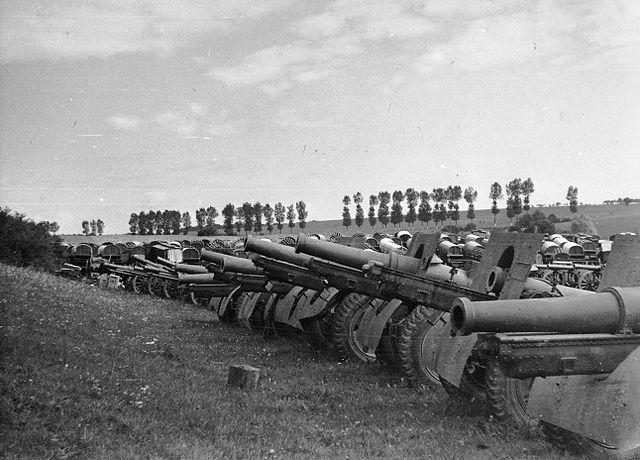
Throughout the Great Patriotic War, around 27 million people, made up of both military and civilians, lost their lives - the highest of any nation during the war. Across the Soviet Union, cities lay in ruins, villages were almost entirely obliterated, and agricultural and industrial machinery was destroyed, affecting the nation's economic capabilities in the process.
Despite this, the Soviet people would not just roll over and instead rallied together in a remarkable display of resilience and unity. For example, workers, farmers, and citizens all contributed to the war effort, whether by fighting on the front lines, labouring in factories under gruelling conditions to produce munitions, or supporting the war effort through collective farming and other means.
How Did the War Progress Under Stalin's Rule?
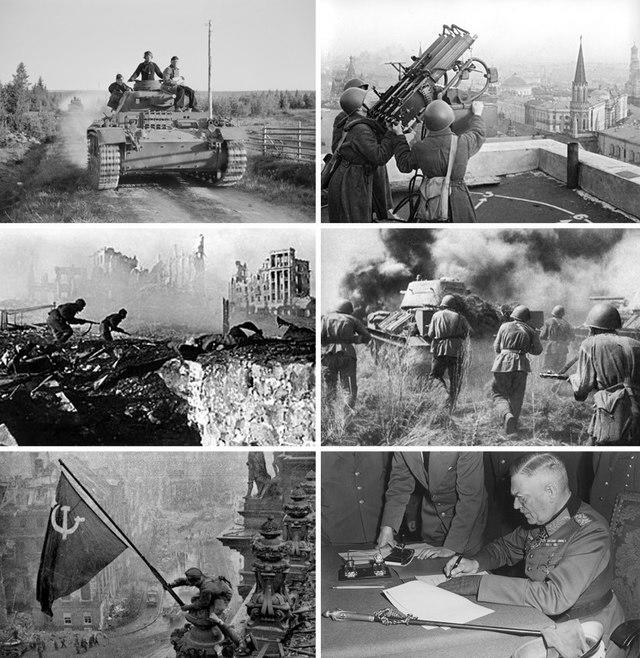
Under Stalin's orders, the course of the Great Patriotic War would unfold through a series of strategic military campaigns and decisive turning points which eventually culminated in the Soviet Union's overall victory. The first pushback against the Germans would happen during the Battle of Moscow in 1941. Here, Soviet Union forces fought tooth and nail against the Nazis, inspired by Stalin's desperate but determined strategy he named “Not a step back”.
From here, in 1942 to 1943, at the siege of Stalingrad, the Red Army encircled and defeated a large portion of the German army - marking a significant blow to Hitler's ambitions and a pivotal shift in the war's momentum in favour of the Soviets. By 1944, the Red Army had begun to liberate much of occupied Soviet territory, eventually pushing towards Eastern Europe and capturing Berlin in May 1945.
How Did the Soviet Economy Adapt to Wartime Conditions?
The Soviet economy underwent many different adaptations in order to meet the demands of the war. Firstly, the government implemented a total war economy which prioritised military production over civilian needs. Additionally, industrial facilities were evacuated from the west to the Ural Mountains in an attempt to keep them safe from the advancing German forces, all while continuing production of war materials.
Alongside this, Foreign aid, especially the Lend-Lease program from the United States also provided the Soviet Union with crucial supplies and equipment. These measures, combined with the mobilisation of the workforce, including women and children, allowed the Soviet economy to support one of the largest military efforts in history.
How Did the USSR Rebuild After the War?
After the war had come to a close, the USSR would have no choice but to undertake a colossal reconstruction effort if it was to revive its industry, agriculture and society. Firstly, factories were rebuilt at a rapid pace, and production levels were pushed beyond pre-war capacities.
Unfortunately, the war had also decimated crops, livestock and farming infrastructure and due to this, the government started multiple projects to restore agricultural lands, rebuild machinery, and increase food production.
Additionally, many soldiers and civilians had to reintegrate into society, with new houses being built to replace the ones that had been destroyed, and initiatives to boost education and healthcare being rolled out to support the growing needs of the population.
What Was High Stalinism?
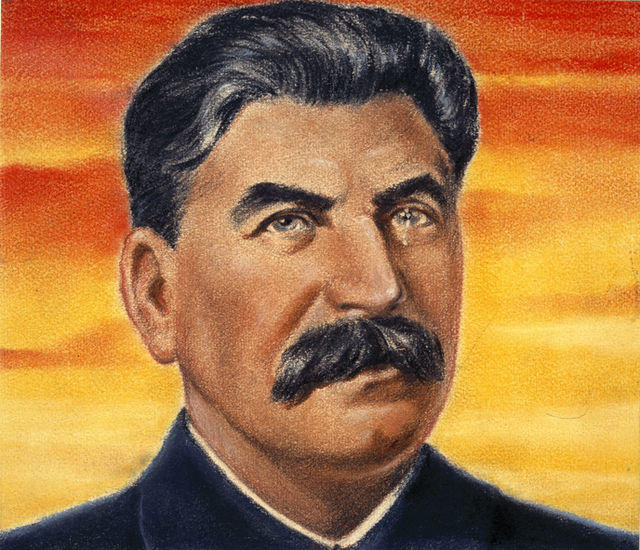
High Stalinism, which lasted from the later years of World War II up until Stalin's death in 1953, was a time of very strict government control, intense fear, and the leader's absolute power. This period saw Stalin further solidify his control, demanding unwavering conformity to socialist principles and ruthlessly quashing any form of dissent.
Once again, the NKVD was charged with purging anyone who questioned Stalin's authority, with public figures and civilians often disappearing during the dead of night. Alongside this, culture and art were strictly controlled under a strict rule called Zhdanovism which only allowed art and literature that promoted socialism. However, after Stalin's death in 1953, High Stalinism would abruptly come to an end, igniting a struggle for power within the nation.
What Was the Leningrad Affair and the Doctors' Plot?
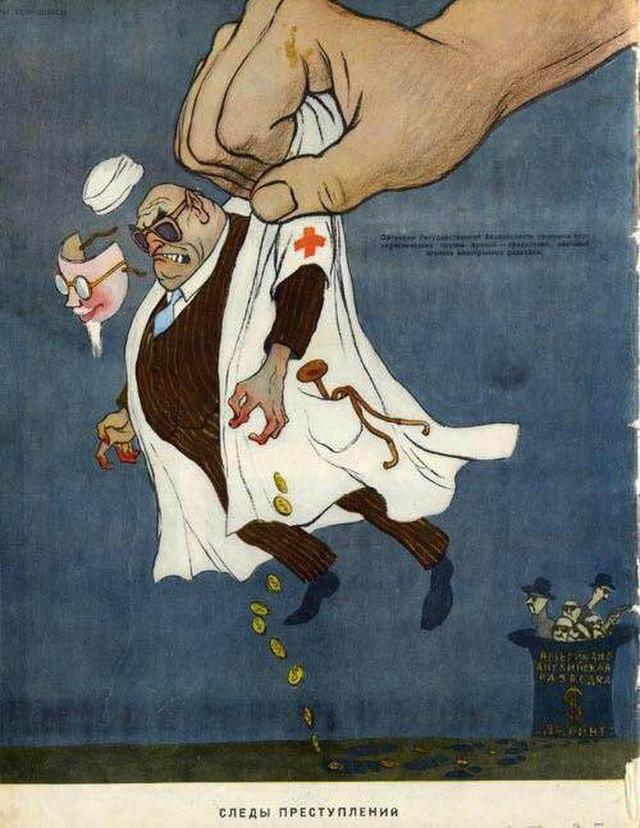
The Leningrad Affair and the Doctors' plot were both another example of Stalin’s deep-set paranoia about the threat of enemies and staying in control. From 1949 to 1952, the Leningrad affair would see many of the communist party's leaders in Leningrad being accused of plotting against Stalin, with this leading to the execution and imprisonment of numerous officials. Similarly, the Doctors Plot, taking place from 1952 to 1953, was an anti-Semitic campaign which falsely accused numerous Jewish doctors of conspiring to poison Soviet leaders.
How Did the Soviet Union's International Position Change After the War?
The end of the patriotic war had a massive effect on the Soviet Union's position on the global stage. By playing a role in defeating Nazi Germany, the nation had gained some influence with its neighbours, especially Eastern Europe where it had liberated numerous countries.
This victory allowed it to extend its ideological and political influence across the region, leading to the establishment of communist governments in Poland, Czechoslovakia, Hungary, Romania, Bulgaria, and East Germany.
Additionally, the aftermath of the war would also see the Soviet Union asserting itself as a founding member of the United Nations. This position provided the Soviet Union with a significant voice in international diplomacy and the emerging post-war order. However, relations with the United States and the capitalist West soon deteriorated in the future, leading to the Cold War.
Conclusion
The Great Patriotic War, which was ignited by the sudden invasion of the Nazis, showcased the Soviet Union's remarkable resilience and unity. Despite enormous losses, the Soviets would push back the Nazis, rebuild their nation and go on to become one of the world's premier powers. However, this era would also see Stalin become increasingly paranoid, tightening his grip on both civilians and those who were deemed a threat. Under Stalin's rule, the Soviet Union would also play a huge role in sparking the embers for the Cold War to begin.
Summarise with AI:
Did you like this article? Rate it!

 Loading...