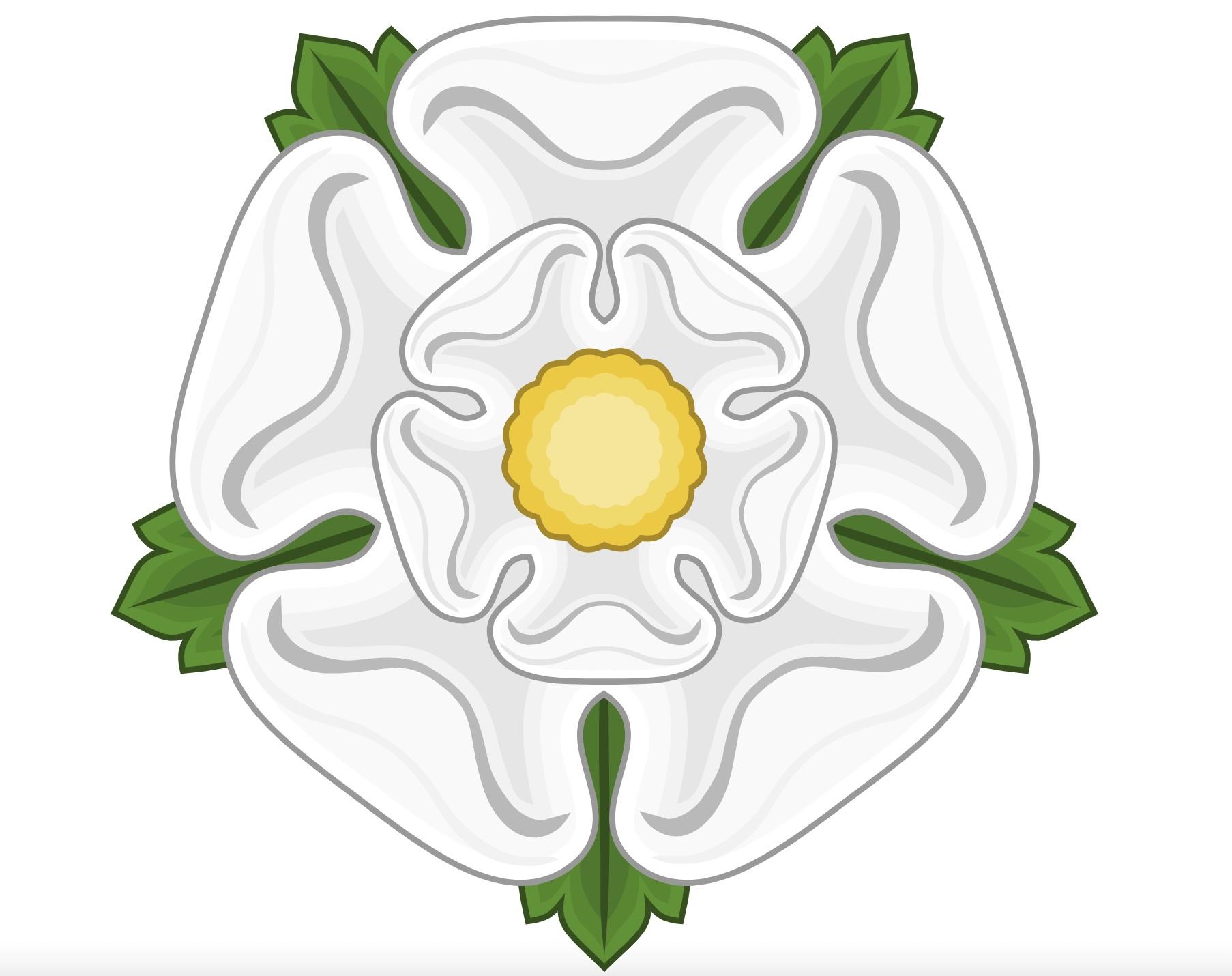
In the years following the Wars of the Roses, the Yorkist Dynasty, once a formidable force in English politics, faced a series of challenges that ultimately led to its final demise.
From opposition to Henry VII to futile attempts at revival and uprising, the Yorkist cause struggled against the tide of history, culminating in the extinguishing of its last flickers by the turn of the 16th century.
The Yorkist dynasty was partially ended by the fact that the two houses had, in effect, converged. In 1486, he married Elizabeth of York (daughter of Edward IV) and in doing so the houses of Lancaster and York converged, and some of the Yorkist supporters had either come around to the idea of Henry VII or there was not as much of a negative feeling toward him.





Early Years of Henry VII’s Reign: Yorkist Opposition to Henry VII
The aftermath of the Wars of the Roses saw simmering resentment among the Yorkist loyalists towards the Tudor regime. This opposition manifested in several notable rebellions.
The Lovell Revolt of 1486, led by Francis Lovell, aimed to challenge Henry VII's reign but was swiftly crushed, as Lovell was unprepared and hadn’t thought it out, further weakening the Yorkist cause.
Similarly, the Pretender Lambert Simnel's ill-fated attempt to seize the throne in 1487 ended in defeat at the Battle of Stoke. John de la Pole, the Earl of Lincoln, was behind this plot and had pretended he was the Earl of Warwick. He had mercenaries and Irish chieftains on his side, but the attempts to stir up a rebellion were partially quashed by the King taking the real Earl of Warwick out of confinement and parading him around London! Henry wanted to humiliate Simnel, and made him work in the royal kitchen for the rest of his life.
Another attempted uprising, the Yorkshire Uprising of 1489, fueled by grievances over taxation and social inequality, highlighted the persistent discontent in the northern regions. Though initially posing a significant threat, this rebellion was quelled through a combination of military force and political manoeuvring by Henry VII.
Attempts to Maintain the Yorkist Cause
Despite continued setbacks and failed uprisings, fervent supporters of the Yorkist claim continued to seek avenues for restoration. Margaret of Burgundy, sister of Edward IV and Richard III, provided sanctuary and support to dissidents, including Simnel and later Perkin Warbeck. The latter, claiming to be Richard, Duke of York, the younger of the Princes in the Tower, managed to gain some support from disaffected nobles and foreign powers.
The Earl of Warwick, the last male heir of the Yorkist line, became a focal point for those seeking to challenge Henry VII's rule. However, Warwick's involvement in various plots against the crown ultimately sealed his fate…
Margaret of York
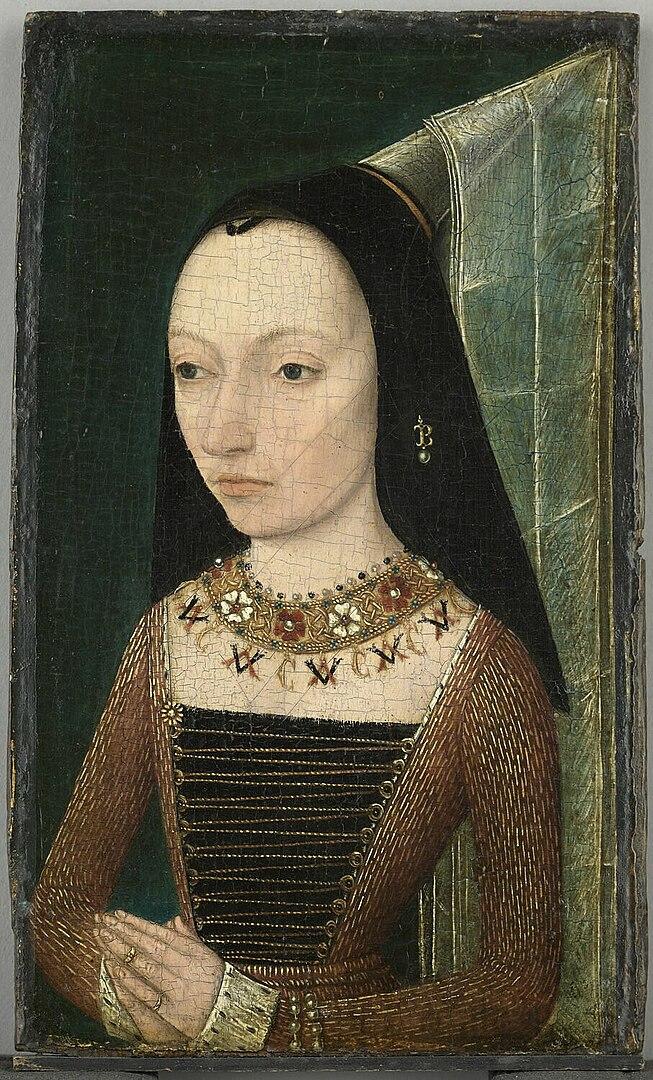
Margaret of York, also known as Margaret Plantagenet, was important throughout the Wars of the Roses. She was born on May 3, 1446, at Fotheringhay Castle in Northamptonshire, England, to Richard Plantagenet, Duke of York, and Cecily Neville. Margaret was the sister of two English kings, Edward IV and Richard III, and played a significant role in the political and diplomatic affairs of her time. Her position as Duchess of Burgundy was important throughout the Wars of the Roses, and she had at times favoured the Yorkists.
After the Battle of Bosworth and Richard's death, the York family no longer ruled England. Margaret supported anyone who wanted to challenge King Henry VII. She supported the pretenders, Lambert Simnel and Perkin Warbeck. She even said Warbeck was her nephew, the son of Edward IV. She funded him and hired soldiers from other countries to help him try to take the throne. But Warbeck’s attempts were a failure.
The End of the Yorkist Challenge
The Yorkist cause suffered its final blow with the defeat of Perkin Warbeck and his allies in 1497. Warbeck's attempts to rally support in Scotland and Cornwall faltered, leading to his capture and subsequent execution.
Warbeck was a huge part of the end of the Yorkist challenge. In 1491, when Warbeck was put forward with a claim to the throne, he claimed to be Richard, Duke of York, the younger of the infamous “princes in the tower”.
Warbeck did pose a threat to the crown, with help and support throughout his life from the likes of James IV of Scotland, Maximilian I of Austria and powerful figures in England, France, and Ireland. In many ways, Warbeck was the last stand of the Yorkist challenge.
After an invasion in 1495 which failed, Warbeck was captured, a huge moment in the history of the Yorkists. Henry VII discovered that some of his supposed supporters had also been involved in a plot to overthrow him, including Sir William Stanley. He had those who betrayed his trust executed.
Warbeck escaped in 1498, but in 1499 he invaded again, with the Earl of Warwick again thought to be involved. Henry decided that this would be the end of the uprisings, and had him killed. He was executed on 28 November 1499. With this killing, both the houses of Plantagenet and York no longer had any significant mail claimants to the throne.
With his demise, the last crumbs of organised resistance to Henry VII's reign faded away.
The execution of Warwick in 1499 marked the symbolic end of the Yorkist Dynasty. Despite his innocence in many respects, Warwick's death signalled the definitive conclusion of the Yorkist challenge to Tudor authority.
Also in 1499, Henry had planned the marriage of his son Arthur to a Spanish princess, Catherine of Aragon. Ferdinand, the Spanish King, and father of Catherine was worried about his daughter entering into the marriage, insisting that all rivals to Henry’s throne must have been killed before the marriage could proceed.
All of these factors worked together to end the Yorkist dynasty. Though power had already been lost, there was still hope among Yorkists, as Henry’s claim was not the strongest, and power shifts had happened throughout the 1400s. 1499 is seen as a symbolic end of the Yorkist dynasty and a challenge to the throne.
Summarise with AI:
Did you like this article? Rate it!

 Loading...