One of the most famous and iconic figures in all of American History, John F. Kennedy brought a mix of youthful energy and visionary politics to his time as president from 1961 to 1963.
Aiming to steer the United States into a new and exciting era, which he coined the “New Frontier”, Kennedy's presidency saw a remarkable amount of inspiring progress.
However, he was not beyond facing many of the same tough challenges and opposition that his predecessors had encountered.
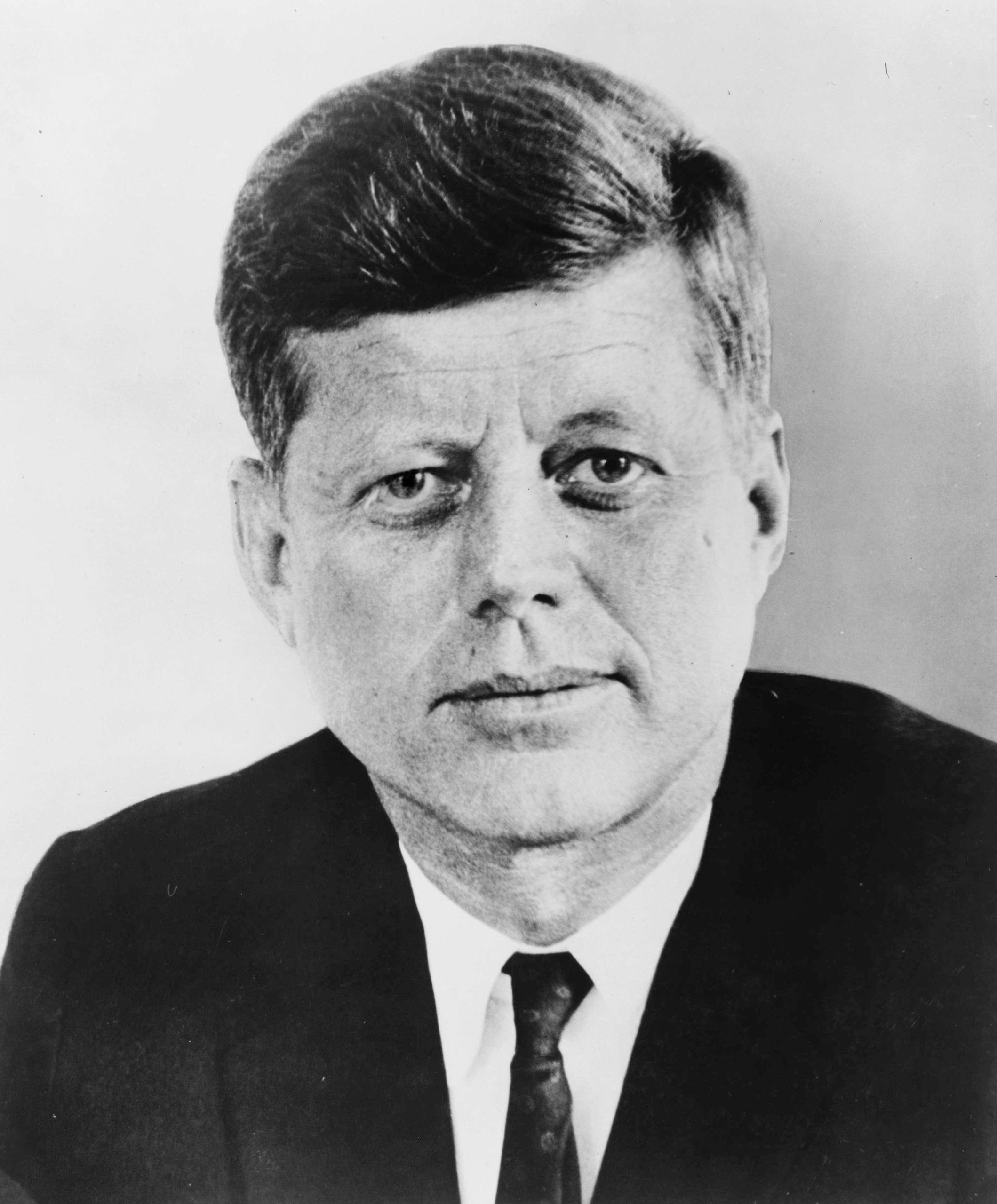
Although Kennedy’s time as president would eventually be cut short in one of the nation's most tragic events, his tenure had a massive impact on the path the country would take in the decades that followed.





How Did Kennedy Win the 1960 Presidential Race?
With Kennedy facing off against Richard Nixon, the 1960 presidential election was one of the closest and most hotly contested races in American history. But how did Kennedy end up winning? Let's break down the factors that led to his success.
- Television Debates: The first-ever televised presidential debates played a crucial role. One on corner you had the tired and less polished-looking Nixon, and on the other, the confident and charismatic young Kennedy. Seeing this difference, most Americans were impressed by Kennedy’s poise and calm demeanour.
- Civil Rights: Kennedy strategically secured the African American vote by taking a public stand on civil rights issues. His intervention in the arrest of Martin Luther King Jr, which included a call to King's wife, went on to gain him a lot of support from the black community.
- Youth and Vision: Kennedy’s campaign slogan, a “New Frontier” was masterfully designed to promote a vision of meaningful progress and change. He also appealed to the younger generation by focusing on hot topics like innovation and space exploration as well.
- Nixon’s Strategy: By deciding to campaign in all 50 states, Nixon essentially shot himself in the foot by spreading his resources too thin. On the other hand, Kennedy concentrated on campaigning in states where he knew he could get the most electoral votes.
Who Were the Main Personalities behind the Kennedy Administration?
Once in office, Kennedy assembled a team of highly influential and capable individuals who played a large part in how his administration functioned. Let’s take a closer look at these characters:
- Robert F Kennedy: Appointed as Attorney General, Robert Kennedy was an important and trusted advisor to his brother and played a massive part in civil rights enforcement and the fight against organised crime.
- McGeorge Bundy: Serving as National Security Advisor, Bundy was instrumental in shaping foreign policy, particularly during critical moments such as the Cuban Missile Crisis.
- Ted Sorensen: As Kennedy's speechwriter and advisor, Sorensen crafted many of Kennedy's most memorable speeches, including his inaugural address and his famous "Ask not what your country can do for you" speech.
What Were the Major Challenges to American Power?
One of the first major crises Kennedy would have to contend with was the Berlin Crisis of 1961. Shortly after World War II, Berlin had been divided into east and west territories, the former being controlled by the Soviet Union and the latter the Allies.
However, in 1961, Nikita Kruschev (the leader of the soviet union) demanded that the western allies withdraw from the city.
From here, the situation quickly escalated and the infamous Berlin wall was constructed to prevent Germans fleeing to the west. Kennedy responded to the situation by reinforcing the U.S commitment to west Berlin, reassuring America’s allies in the process.
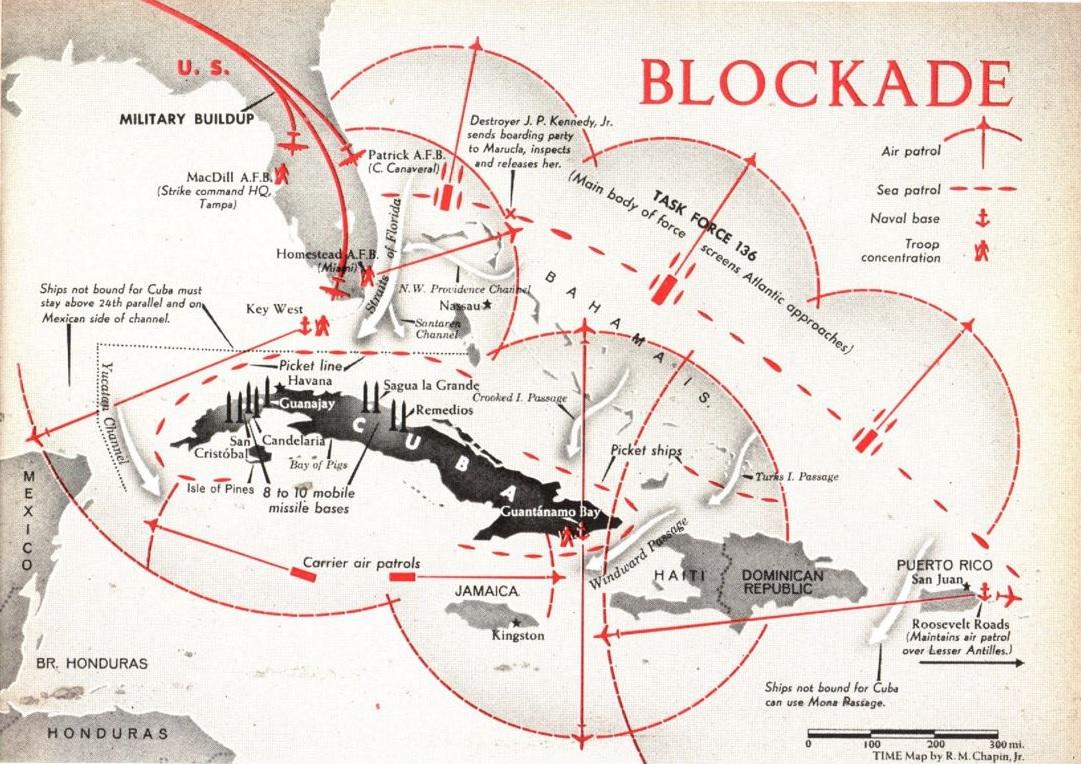
Soon after came the Cuban Missile Crisis in October 1962 - arguably, the most dangerous moment of the Cold War. Having discovered Soviet nuclear missiles were secretly being installed in Cuba, a mere 90 miles away from the coast of Florida, Kennedy's administration quickly imposed a naval blockade on the country and demanded that the missiles be removed.
Thankfully, the world would avoid nuclear fallout when Kruschev agreed to dismantle the missiles so long as the U.S. promised not to invade Cuba and secretly agreed to remove their own missiles from Turkey.
Meanwhile, in Asia, the situation in Vietnam was also becoming an ever-pressing problem too. For a long time, the United States had been supporting the South Vietnamese government against the communist North.
Kennedy believed in the domino theory, which suggested that if one country fell to communism, others in the region would follow. As a result, he increased U.S. military aid and advisors to South Vietnam, hinting at deeper American involvement in the Vietnam War in the future.
How Did the Civil Rights Movement Evolve?
The early 1960s saw a lot of beneficial change when it came to the civil rights movement. For example, the sit-in movement would begin in 1960 when African American students in Greensboro staged a peaceful protest at a segregated lunch counter in their town.
Inspired by this action, sit-ins soon became a common occurrence across the country, drawing widespread coverage from the media.
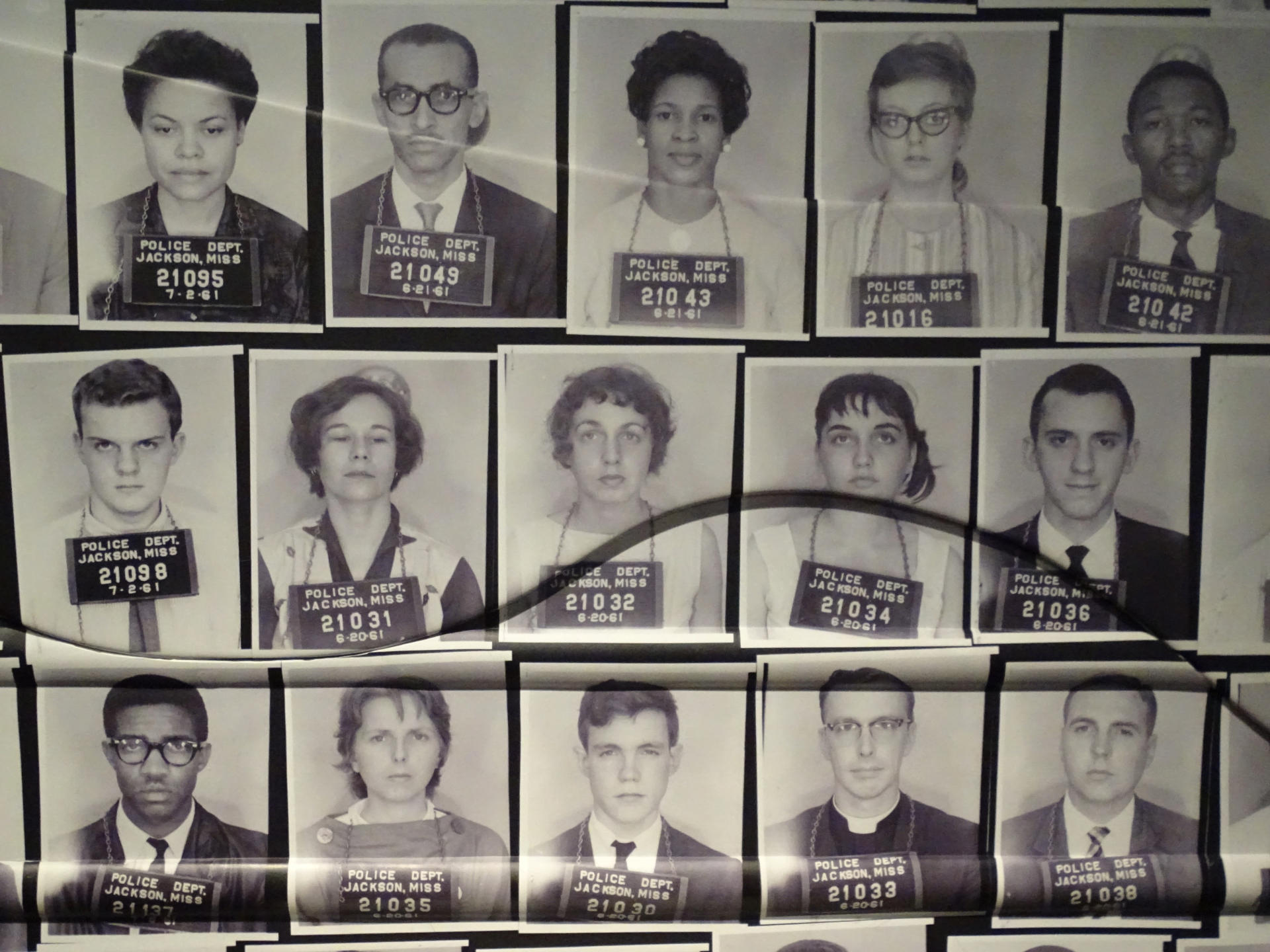
Just over a year later, CORE would organize the Freedom Rides to challenge segregation on interstate bus travel. During this time, both white and black activists rode buses into the south, bravely facing violent attacks from mobs as they did so. Eventually, the government would step in and make the call to officially end segregation in interstate travel, marking an important victory for the movement.
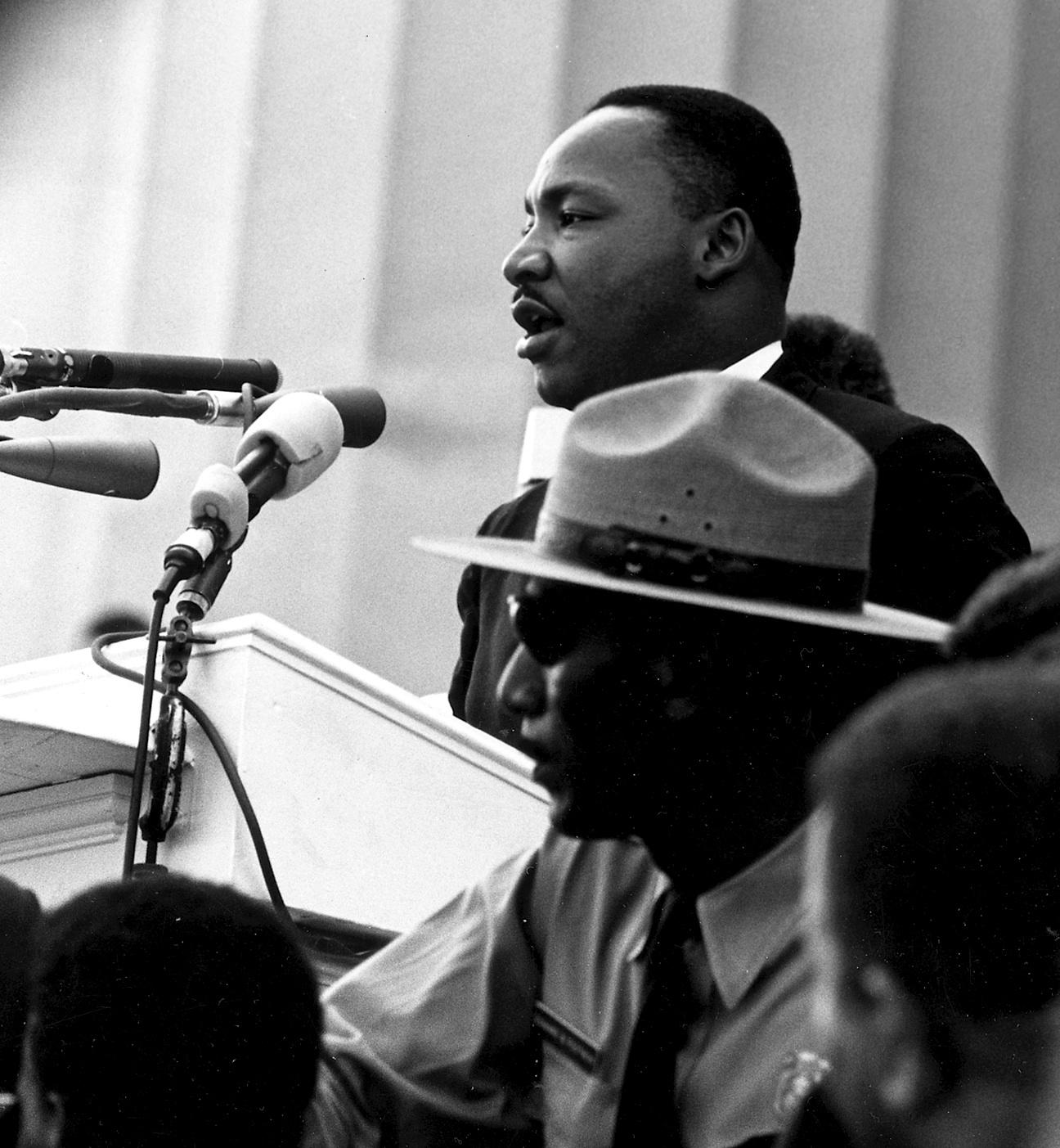
Finally, in August 1963, the Civil Movement reached a historic milestone with the March on Washington. Here, Martin Luther King Jr. delivered his iconic “I have a dream speech”, inspiring millions and changing the struggle for civil rights into a powerful national movement.
How Did Kennedy Respond to Pressures for Change?
As president, Kennedy faced immense pressure for change yet tackled it head on. Taking notice of the growing civil rights movement, he soon took meaningful action to address racial inequality.
For example, in 1962 he would send troops to the university of Mississippi to ensure a young student called James Meridith could enrol despite heavy backlash from white protestors.
Likewise, after a series of violent clashes in Birmingham, Kennedy would deliver a powerful speech where he framed civil rights as a moral issue and urged congress to pass comprehensive civil rights legislation.
However, he also faced opposition from Southern Democrats within his own party who bitterly resisted these changes.
In addition to his efforts on racial equality, Kennedy was also aware of another similar topic - the growing call for an increase to women's rights.
Although his administration did not pass major women's rights legislation, Kennedy did establish the President's Commission on the Status of Women in 1961, chaired by Eleanor Roosevelt.
The commission's report in 1963 highlighted issues such as workplace discrimination, unequal pay, and the need for affordable childcare, bringing national attention to gender inequality and laying the groundwork for future reforms.
Conclusion
Although it would be brief, John F. Kennedy's presidency was an extremely important period in American history. His "New Frontier" vision aimed to push the nation toward progress and innovation. Likewise, Kennedy's charismatic leadership during the Cold War, his bold stance on civil rights, and his efforts to highlight gender inequality set America on a course for significant transformation. Today, the former president's legacy can still be felt in numerous aspects of American life.
Summarise with AI:
Did you like this article? Rate it!

 Loading...