The unravelling of the British Empire was a dramatic turning point in world history. Fueled by the resilience of nationalist movements and a post-war world tired of old power plays, many countries around the world would eventually stand up in an effort to claim their independence.
In this article, we’ll take a magnifying glass to this important point in history, examining the key factors that drove Africa and Asia to pursue independence, the critical role of the Suez Crisis in signalling the decline of European global dominance, and the different methods nationalist movements used to try and gain self-governance. Read on to find out more!





What Drove the Decolonization in Africa and Asia?
The push for independence in Africa and Asia came about as a result of a mix of economic difficulties, a rising political consciousness, and how deeply the events of World War 2 weakened the colonial powers, including the British Empire.
For many in the colonies, the war had massively exposed the vulnerabilities of the empire and other European powers, giving them a spark of hope that they could directly challenge their rulers. Additionally, the financial burden of keeping control over these distant lands started to weigh heavily on countries like Britain, making it hard for them to justify the expense.
At the same time, this was happening, global powers like the United States, who believed in self-rule as a means to stop the spread of communism, and the Soviet Union, who promoted unity through socialism, both supported the fight against colonialism.
How Did the Suez Crisis Alter the Course of Empire?
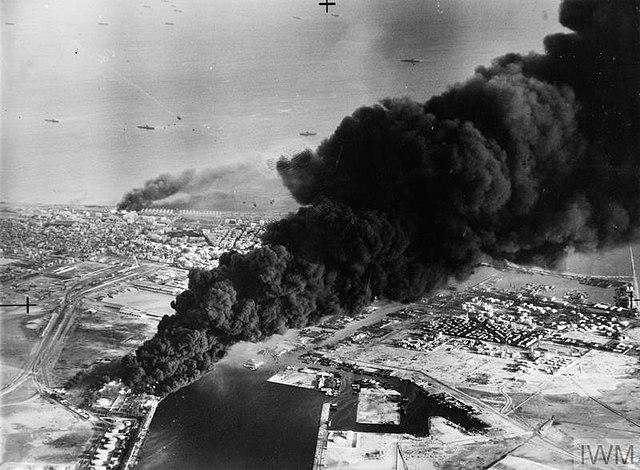
The Suez Crisis of 1956 was a major international incident triggered when Egypt's President, Gamal Abdel Nasser, nationalized the Suez Canal, which had previously been controlled by the British and the French.
The canal was extremely important to both nations, being an important route for oil and other goods, and linking the Mediterranean to the Red Sea. As a result, both Britain and France would team up with Israel in a bid to regain control over the canal and remove the president from power.
However, this decision wouldn’t sit well with the United States and eventually led to a diplomatic mess which resulted in Britain deciding that withdrawing from the situation would be the smarter decision. All in all, this moment in history made it clear that the days when European countries could dominate the globe were slowly but surely coming to an end, paving the way for a new era where the idea of holding onto colonies was seen as outdated and old-fashioned.
How Did Nationalist Movements Challenge Colonial Rule?
Nationalist movements would also greatly contribute to the decline of the British Empire’s colonial powers as well. For example, in India, which had long been ruled by the British, movements like the Quit India movement and Gandhi’s non-cooperation campaigns drew in thousands of people for peaceful protests across the nation.
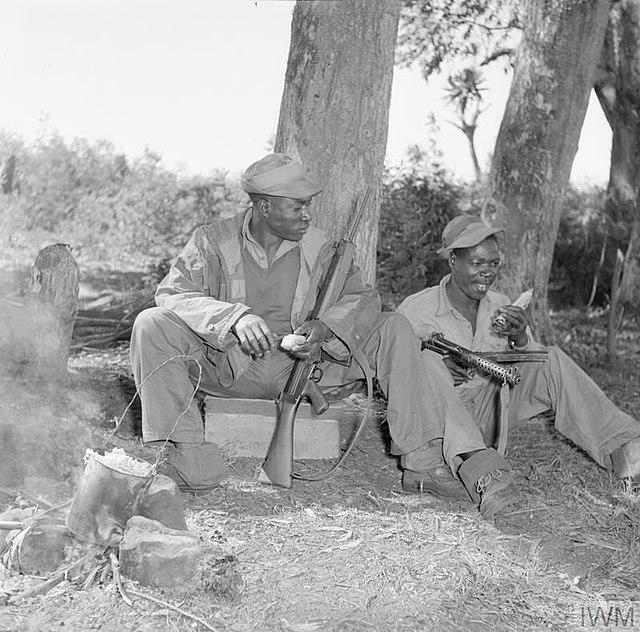
Over time, these movements would do a lot to weaken British control and morale. On the other hand, in Kenya, the struggle for independence involved the violent Mau Mau uprising, which showed the harsh reality of colonial rule and how far people were willing to go to obtain their freedom.
However, in Malaya, a combination of guerilla warfare carried out by communist insurgents and peaceful negotiations resulted in a slightly smoother transition to independence. Despite the differences in tactics, all of these former colonies had one goal in mind - to throw off the shackles of the British Empire’s rule so they could establish themselves as new entirely self-governing nations.
What Effect Did Post-War Reconstruction Have on Decolonization?
After World War 2, Britain and many other European countries were essentially in ruins and had no other choice but to focus on rebuilding their devastated infrastructure and economies. As a result, the British Empire’s interest no longer lay in holding onto their colonies as the value and cost of doing so was too high with the challenges they currently faced.
At the same time, the United States was helping Europe rebuild through the Marshall Plan. Although it didn’t outright say so, it indirectly suggested that it was time for European countries to let go of their overseas territories and concentrate on fixing their own countries instead.
This situation created a perfect storm for colonized nations to demand their independence. The colonial powers were finally weaker, and there was a growing dislike for colonialism around the world. As a result, countries under British rule started to push harder for their freedom, leading to a wave of movements across the empire seeking independence. This was a key moment in the process of decolonization, marking the beginning of the end for the British Empire as countries one by one became independent.
What Impact Did Migration Have on Post-Colonial Ties?
Migration had a big impact on the relationships between former colonies and their former rulers, especially Britain, after decolonization. When these countries won their independence, many people from these new nations would go on to move to Britain, attracted by job opportunities and the rights to live and work there that came with being part of the Commonwealth.
Over time, this movement of people would go on to change the cultural landscape in Britain, making it more diverse in the process. For example, people of all ages and backgrounds would bring their traditions, food, and music to the nation. However, this wasn't always an easy process. The arrival of people from different backgrounds also sparked debates and sometimes tensions around how to integrate everyone into society, how to deal with racism, and how to maintain a sense of national identity.
What Role Did the Commonwealth Play in a Changing World?
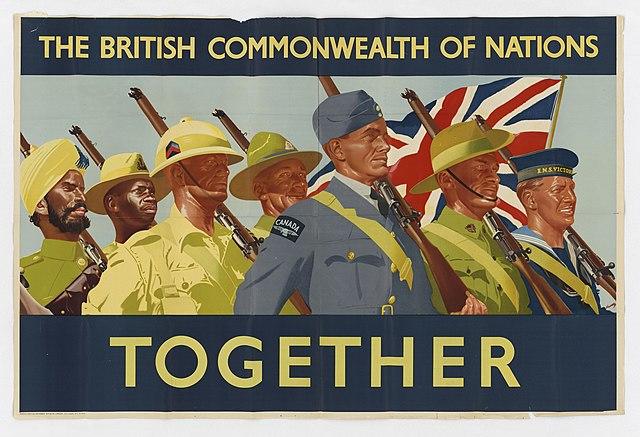
In the aftermath of World War 2, as nations across the globe were declaring their independence, the British Empire would eventually transform into the Commonwealth. This new organisation connected Britain with its former colonies in a partnership based on equality, rather than colonial rule.
The Commonwealth played a significant role during this era of change by providing a platform for countries to work together on global issues, share resources, and support each other’s development. Additionally, it also helped maintain ties between Britain and its former territories in a world that was rapidly moving away from colonialism.
Through initiatives like educational exchanges and cultural programs, the Commonwealth aimed to foster goodwill and cooperation among its members. Essentially, it became a way for Britain to adapt to the loss of its empire by promoting collaboration and mutual respect among an international community of independent states.
(Credit: Wikimedia Commons)
Conclusion
In conclusion, the end of the British Empire's control over its colonies was caused by economic issues, a strong push for independence, and the aftermath of World War 2, with the US and the Soviet Union supporting this move towards freedom.
What’s more, the Suez Crisis was a clear sign that European power was weakening, which encouraged countries under British rule to seek independence. These movements aimed to break free from British control, each in their own unique way. After the war, Britain and other European countries had to rebuild, which meant less focus on their colonies. Eventually, this would culminate in the formation of the commonwealth and the end of the British Empire’s reign.
Summarise with AI:
Did you like this article? Rate it!

 Loading...