Stretching around 440 miles miles from the Belgian Coast all the way to the Swiss border, the Western front was the epicenter for some of the most brutal, intense, and important battles fought during WW1. It was here, set to the backdrop of relentless artillery fire and the harsh reality of living in the trenches, that the fates of both soldiers and nations hung in the balance. Join us below as we take a comprehensive look into the Western front - from its beginning, to its major conflicts, to the harrowing experiences soldiers would go on to suffer in the trenches.





What Was the Western Front?
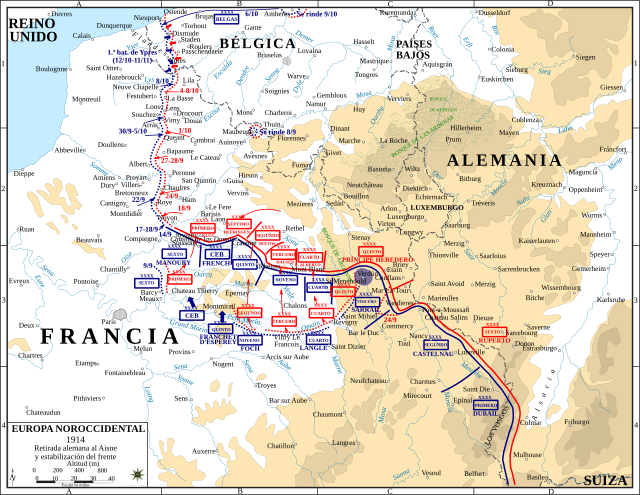
The Western Front was one of WW1’s most important battlegrounds. But where did it all begin? Well, the origins of the Western front can be traced directly back to Germany’s ambitious Schlieffen Plan - a strategy that intended to help the Germans quickly defeat France by attacking through Belgium, allowing them to pass by the fortified defenses located along the border separating France from Germany. Although the plan did work initially, with German troops managing to gain entry into the North East of France, the allies would eventually put an end to this at the First Battle of the Marne, a stone's throw from Paris. Not only did this critical fight keep the capital of France from German control but also resulted in a stalemate. After this, both sides would begin to build long trenches stretching from the North Sea all the way to Switzerland. Unfortunately, it was this action that led to the beginning of the brutal trench warfare that has become synonymous with both WW1 and the Western Front.
What Was Life Like in the Trenches?
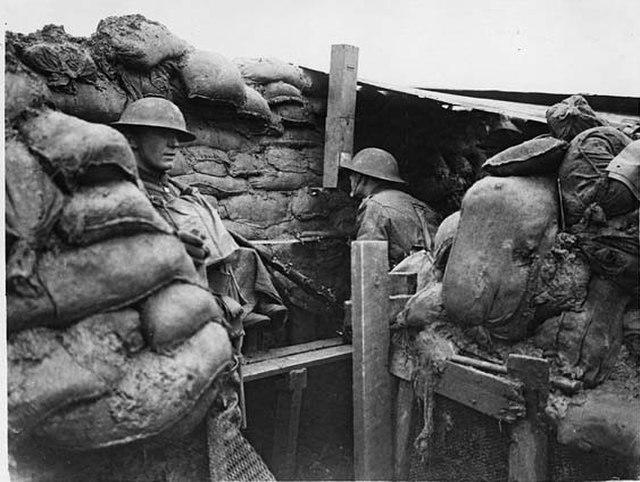
Trench warfare only evolved as a necessity because of the deadly power of new weapons like machine guns and barbed wire. Essentially, these weapons made traditional more open combat almost impossible without both sides suffering significant losses. Although life in the trenches did offer soldiers some safety from enemy attacks it was also extremely challenging and psychologically demanding as well. For example, not only did soldiers have to live in extremely cramped and unsanitary conditions, but they also had to deal with constant exposure to the elements, the risk of diseases spreading due to the waterlogged and muddy conditions, and the ever present danger of enemy fire. What’s more, the nature of trench warfare often led to conflicts reaching a standstill. For instance, it was not uncommon for unlucky soldiers to spend days, weeks, or even months in the same positions, facing the same mind numbing routine that was only broken by the terror of enemy raids or artillery barrages.
Which Battles Were Pivotal on the Western Front?
Many of the battles that took place on the Western front played a crucial role in shaping WW1. For example, one of the fiercest fights was the Battle of Verdun in 1916 - this conflict would go on to become a symbol of France's determination and led to heavy losses for the German side. Alongside this, the Battle of the Somme was a huge scale conflict that saw the first official deployment of tanks in battle - shaping how many future confrontations would take place later on. The Somme also highlighted the devastating impact of modern artillery, marking one of the bloodiest battles in human history with over one million casualties. Additionally, both the battles of Ypres, including Passchendaele, were strategically crucial due to their location near critical Allied supply lines and the English Channel. Each of these battles, with their immense scale and high casualty rates, played a critical role in depleting the resources and morale of the combatant nations. They also pushed military leaders to reconsider their strategies and adapt to the evolving nature of modern warfare, setting the stage for future military tactics and technologies.
How Did Technology Change the Face of the War?
Unfortunately, the Western Front would also become infamous for becoming a sort of testing ground for new weapons and military advancements. Arguably the most notorious of these was the introduction of chemical warfare which was first used on a large scale during the Second Battle of Ypres in 1915. With the deployment of Chlorine gas, many soldiers experienced a new level of horror on the battlefield. Alongside chemical warfare, the Western Front also saw the refinement of other military technologies too. For example, Artillery soon became more sophisticated and deadly. And over time, the use of long-range artillery barrages, often preceding infantry assaults, became a standard tactic. This shift in artillery tactics led to the development of more accurate and powerful guns which could bombard enemy lines from greater distances with devastating effect.
What Ended the Stalemate on the Western Front?
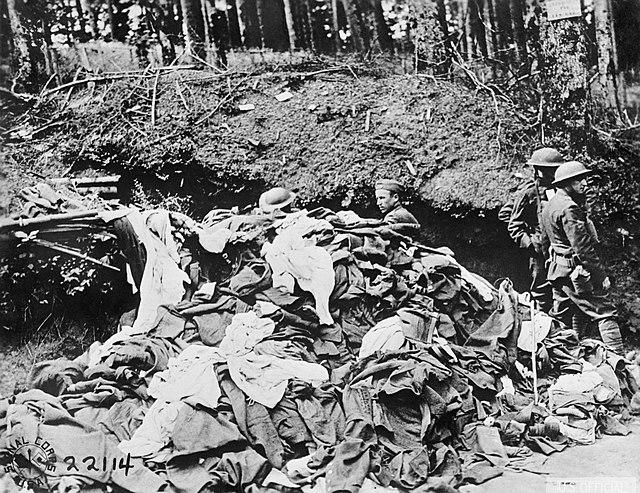
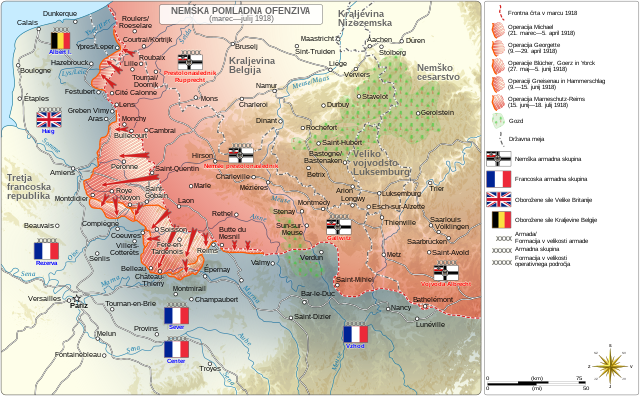
For many years, the Western Front persisted with both sides locked in a stalemate and unable to defeat the other side. However, this stalemate would eventually come to a close in 1918 when Germany launched its Spring Offensive. Essentially, the Germans were eager to secure a quick and decisive victory before American troops arrived - however, this decision would ultimately end up costing them. At first, this tactic proved fruitful, with the Germans once again making significant advances. However, their success was short lived. The German forces, already exhausted from years of war, overstretched themselves. Firstly, they lacked sufficient supplies and reinforcements to maintain their gains and this led to a gradual but inevitable loss of momentum. In response to this, the Allies, strengthened by fresh American troops and new tactics like effective tank use, launched successful counter offensives and eventually broke down the German resistance.
How Did the Western Front Reach Its Conclusion?
The Western Front finally came to an end with the Armistice of Compiègne on November 11, 1918. The Allied forces' continuous counter attacks had effectively pushed back the German lines, leading to their retreat. Faced with exhaustion and dwindling morale, the German military soon realized that defeat was inevitable. Meanwhile, significant political changes were unfolding in Germany, including Kaiser Wilhelm II's abdication and the proclamation of a republic. These events collectively led to the armistice agreement, finally the combat on the Western Front for good.
Conclusion
To sum it up, the Western Front was a crucial and intense battleground in World War I. Starting with Germany's plan to quickly defeat France, it soon turned into a long, grueling fight with life in the trenches and major battles like Verdun and the Somme. These battles were not only huge in scale but also introduced new warfare technologies. The eventual breaking of the stalemate, driven by Allied counter offensives and new strategies, led to the Armistice of Compiègne, marking the end of this epic and tragic chapter in history.
Summarise with AI:
Did you like this article? Rate it!

 Loading...