The impact of World War 1 would not only be felt on the battlefield, but also at home, where it deeply affected the lives of those left behind. In this article, we’ll take a look at the different challenges people on the homefront faced and explore how life was changed not only in Britain but in other countries affected by the war too, such as France and Germany. From the drastic changes in workforce to the introduction of rationing and the psychological toll of constant threat, the home front became a scene of remarkable strength and adaptability, where everyday people played an essential role in supporting the war and managing its widespread consequences. Want to find out more about this interesting period in WW1’s history? Keep reading below to find out more.





How Did Britain Mobilize its Homefront During WW1?
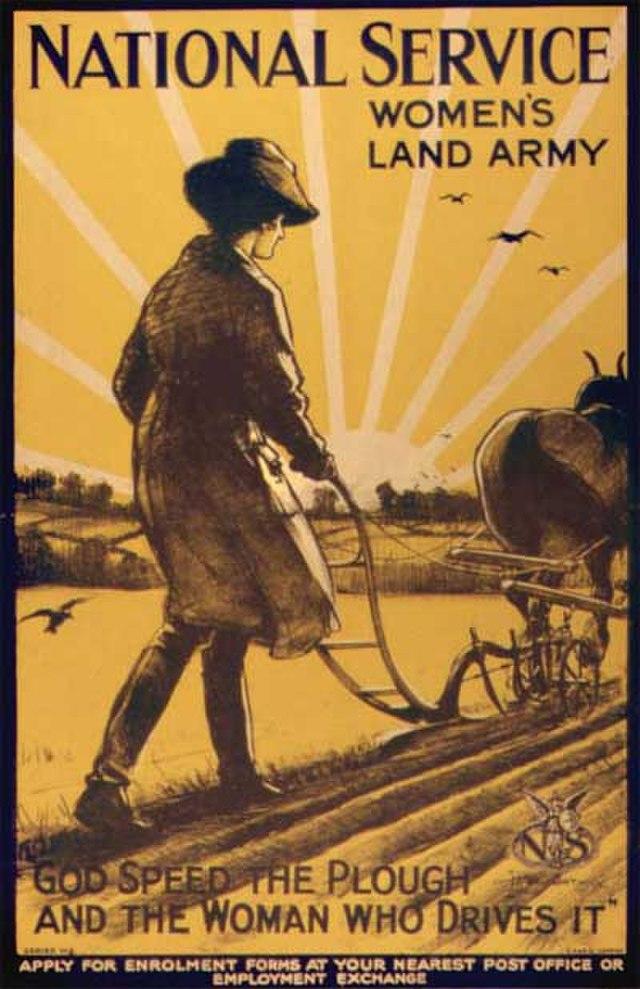
During WW1, a large percentage of the male population was drafted in the military. Because of this, Britain encountered a unique and worrying challenge - how could they fill in the gaps left behind by absent male workers, many of whom made up a large percentage of the labor force? Thankfully, it didn’t take too long for a solution to arise. Unheard of before the war, many women would go on to take jobs in a variety of roles, including factory work, transportation, and agriculture. What’s more, this shift would go on to be a significant step in the right direction for women's rights as a whole. Additionally, the British government implemented measures like the Defence of the Realm Act (DORA) to control resources and information, and introduced rationing to manage shortages. These efforts, combined with the significant contribution of women, were instrumental in keeping the nation functioning and supporting the war effort.
What Were the Daily Challenges Faced by British Civilians?
Life in Britain during WWI was marked by significant adjustments and challenges. First and foremost, rationing became a common aspect of daily life, as food shortages were made worse by German U-boat attacks on supply ships. The government controlled food, fuel, and other resources to ensure adequate supplies for the military and civilians. Alongside this, civilians would also be exposed to censorship and propaganda, aimed at maintaining morale and support for the war. The blackout regulations implemented to prevent Zeppelin attacks were a significant change that altered the British way of life during WW1. These regulations required the darkening of all windows and doors at night to prevent enemy aircraft from identifying targets. This measure, while crucial for safety, drastically changed the daily routines and social dynamics of communities throughout the country, and brought the reality of war home to many.
How Did Children Experience the War on the Homefront?
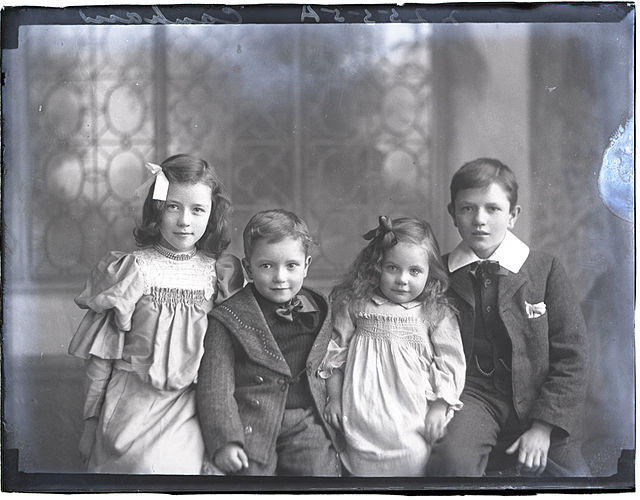
Sadly, it wasn’t just adults whose lives were impacted by the war - the younger generation’s were too. With the war consuming the nation's resources and attention, children's education took a backseat, with schools primarily focusing on war-related subjects. Alongside this change in curriculum, many children had to take on increased responsibilities as well, both at home and in the workforce. Unfortunately, with the absence of their fathers and older brothers, children were forced to grow up rapidly and take on adult roles - like taking care of younger children, helping with household chores, or even working in the fields or factories near their home. Additionally, with the added stress and uncertainty of what would happen to their closed ones, many children would suffer emotional and psychological distress which was only compounded by regular air raid drills and the fear of bombings.
What Were the Medical Challenges on the Homefront?
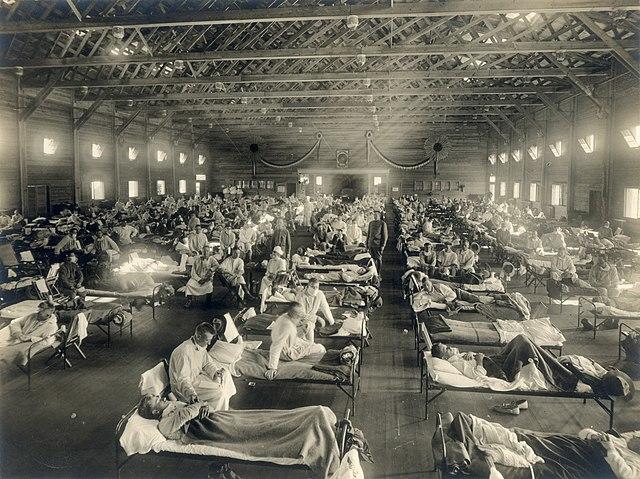
Unfortunately, WW1 would also bring numerous health and medical challenges to the homefront. For example, the Spanish Flu Pandemic was one of the most devastating, with it causing millions of deaths worldwide. In addition to the pandemic, there were numerous injuries and health issues resulting from the war work. Many civilians, including women and older men who took up roles in munitions factories and other industries, faced hazardous working conditions. As a result, accidents and exposure to harmful substances were common, leading to injuries and long-term health problems. But it didn’t end there, the healthcare system itself was under immense pressure too. With most medical professionals serving in the military, there was a shortage of doctors and nurses on the home front. This shortage, combined with the influx of wounded soldiers returning home, put an increasingly heavy strain on medical facilities and resources.
How Did the Homefront Experience Differ Across Countries?
During WW1, the homefront experience would vary greatly depending on the country. As mentioned previously, Britain primarily focused on filling their workforce gaps, with women, children and older men rising to the challenge. On the other hand, France, which was located closer to the front lines, endured a more militarized civilian life that was constantly under threat. Meanwhile, Germany would find itself struggling with food shortages due to the British naval blockade at sea, eventually culminating in the infamous Turnip Winter of 1916-1917 which saw Germans having to survive on the aforementioned vegetable to get by. In the Austro-Hungarian Empire, internal conflicts and varying levels of national loyalty among its diverse ethnic groups weakened the overall unity and effectiveness of its war effort. At the same time, the Ottoman Empire, already struggling with economic problems, found these issues worsened by the demands of the war. In contrast, the United States, entering later, experienced a surge in patriotism and rapid industrial mobilization, marking a short but intense period of home front support for the war effort.
Conclusion
In conclusion, World War 1 significantly affected the home front. For example, in Britain women would enter the workforce to fill the gaps left behind by men at war - marking a huge and important shift in societal norms and women's rights. Alongside this, civilian coped with rationing, health challenges, and psychological stress, while children had no choice but to adapt to new responsibilities. In addition to this, different countries also experienced their own unique challenges, from France's militarized life to Germany's food shortages. All in all, his period of history clearly showed how societies demonstrated remarkable resilience and adaptability in response to the extensive challenges of war.
Summarise with AI:
Did you like this article? Rate it!

 Loading...