Regarded as one of the most significant events related to the Cold War, the collapse of the Soviet Union in 1991 would mark not just the end of a geopolitical era - but also the beginning of a new chapter in world history. Below, we’ll explore the key events and factors that led to this shift, taking a look into the historical context and the consequences that would follow. Keep reading to find out more!





Why Did the Soviets Lose Control?
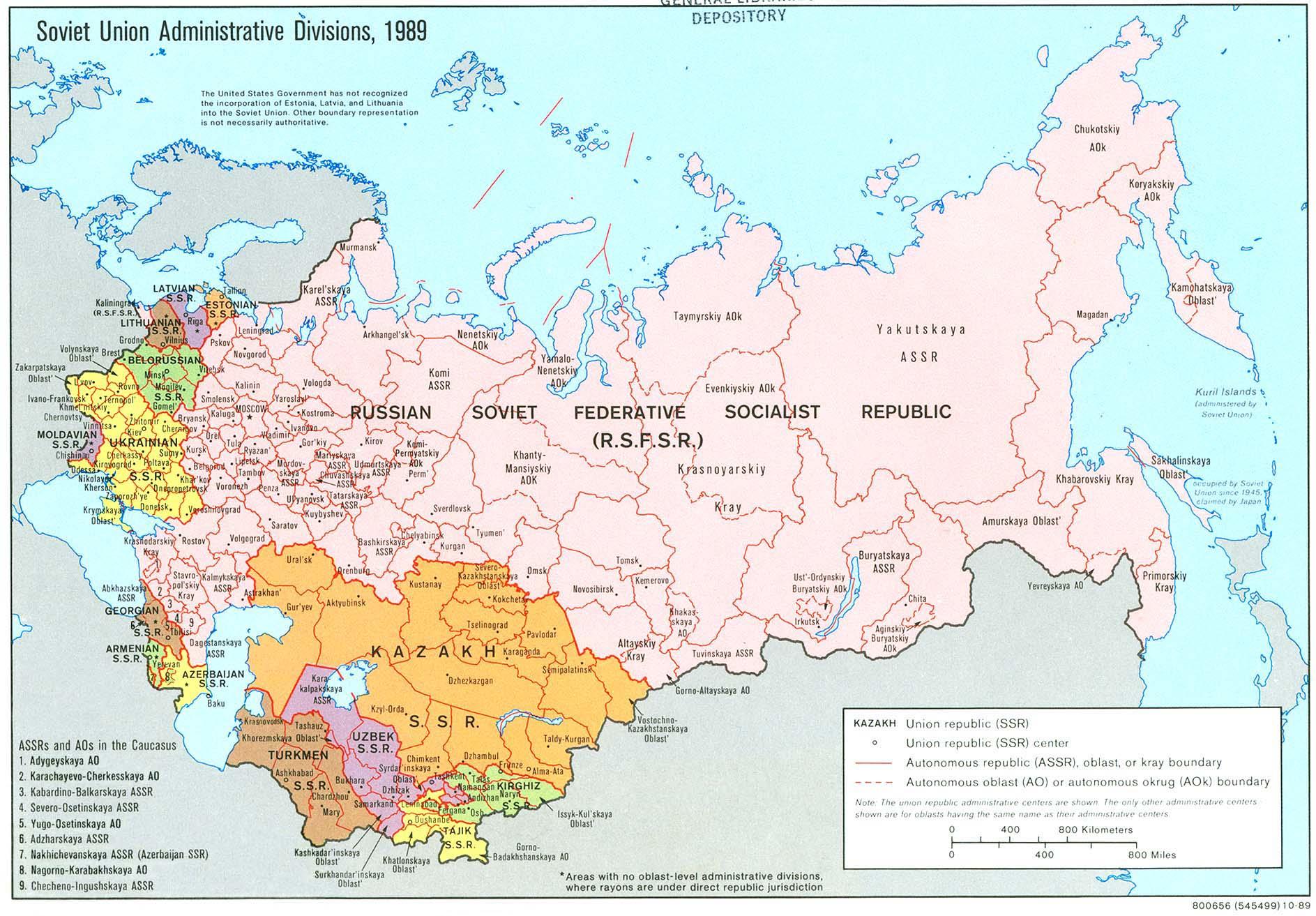
Long before it officially disintegrated, the colossal Soviet Union - which was home to 290 million people across 15 republics, began displaying symptoms of a weakening authority. But what were the early signs of this decline? First and foremost, the economy was struggling. Alongside this, the government was also extremely strict and controlling.
Eventually, these two factors would cause the general public to become more and more dissatisfied with the rule of the Union. Due to this, the government that used to keep the Soviet Union together began to lose its strength, and this set in motion the monumental changes that were beginning to loom on the horizon.
What Were Gorbachev's Reforms?
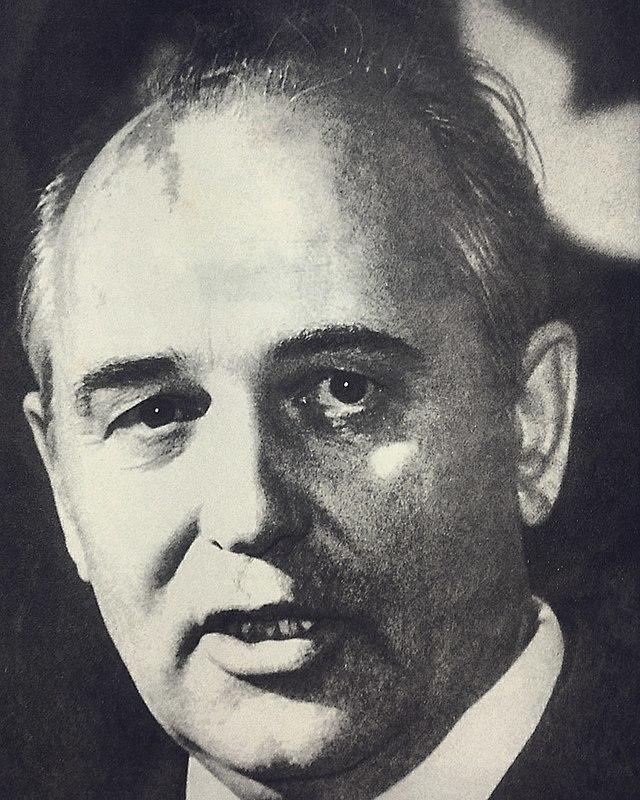
In 1985, a major shift occurred with Mikhail Gorbachev's rise to power. He rolled out two reforms - Perestroika, focusing on economic restructuring, and Glasnost, encouraging openness and freedom of speech.
These initiatives were designed to rejuvenate the Soviet economy and introduce democratic aspects into the regime. However, instead of strengthening the Communist Party's grip, they surprisingly weakened it. This mistake led to an increasing demand for more autonomy and independence throughout the Soviet Union.
What Made the Soviet Union's Economy Decline?
By the late 1980s, the Soviet Union's economy was in very bad shape. There were a lot of inefficiencies, and Gorbachev's reforms unfortunately weren't enough to fix the problems. For example, the government was put in charge of all the economic decisions and this often led to the misallocation of resources - resulting in waste and shortages.
Due to this bad decision-making, the economy continued to deteriorate rapidly - weakening the government's control and causing even once loyal supporters to lose their confidence in the Soviet system.
How Did the Nationalist Movements Gain Popularity During Soviet Rule?
Once the Soviet Union's political and economic structures began to crumble, nationalist movements naturally began to gain momentum too. These groups, who had been repressed and controlled by the Soviets for years, became more and more confident in voicing their desire to rule their own territories. In general, some of the strongest support for nationalism would come from the Baltic States and the Caucasus region.
1989: Eastern Europe's Democratic Wave
The year 1989 saw massive changes in Eastern Europe. To start, the Berlin Wall had fallen, and soon after, communist regimes throughout the whole region would also start to collapse. As a result of this, the world would become keenly aware of the weakening influence the Soviet Union had over Eastern Europe.
Soon after, the leader of the Soviet Union, Mikhail Gorbachev, would make a decision not to use military force to quell the uprisings - one that would be seen as a weakness by his detractors. Bit by bit, the Soviet Union was losing all control it had once exerted over the region.
What Countries First Opposed the Soviet Union?
From here, 3 countries would take the lead in opposing the Soviets - Estonia, Latvia, and Lithuania. As the 1980s came to a close, these countries were inspired by a sense of their own national identities and encouraged by Gorbachev's changes - each took steps towards independence.
For example, Estonia organized big protests, Latvia pushed for freedom with political activism and rallies, and Lithuania was the first to declare independence - setting an inspiring example for others. These movements demonstrated to other Soviet republics that independence was no longer just a dream, but an increasingly attainable reality.
What Role Did the 1991 Coup Play in the Collapse of the Soviet Union?
However, that wasn’t the end of the drama. In August 1991, a group of hard-core Communists tried to take control of the Soviet Union to stop it from falling apart. Although they got as far as arresting Gorbachev - their coup attempt eventually failed.
Firstly, the coup faced strong resistance from the public, with Boris Yeltsin at the forefront of the opposition. Additionally, the military also chose not to act against the protesters. This failed coup attempt significantly reduced Gorbachev's influence and accelerated the Soviet Union's journey towards its eventual collapse.

How Was the Soviet Union Dissolved?
By the end of 1991, the Soviet Union was on the brink of falling apart. The failed coup earlier that year had drastically undermined the Communist Party's standing. In the wake of this, numerous republics within the Union started proclaiming their independence.
A defining moment came on December 25, 1991, when the Soviet flag was lowered for the final time - symbolizing the end of an era. Mikhail Gorbachev's resignation as president then essentially sealed the fate of the Soviet Union, paving the way for the emergence of the Russian Federation as its successor.
What New Nations Came Out of the Soviet Union's Collapse?
The collapse of the Soviet Union would lead to new beginnings for many nations and a whole new world map for the rest of the world to get used to. For example, each of the former republics within the former Soviet Union, all of whom had their own unique and distinct cultures, would go on to forge their own identities.
In fact, this period led to the formation of a staggering 15 new countries, including Ukraine, Belarus, and more. From here, each country had challenges to face - including building new political systems and economies, and developing their national identity as a new country.
Conclusion
In conclusion, the 1991 disintegration of the Soviet Union signalled not just the end of a powerful era but also the birth of a new global landscape. The Soviet Union's downfall, mainly caused by economic troubles and Gorbachev's reforms, heavily weakened the once unshakable Communist Party. And from here, the rising tide of nationalism in Eastern Europe loosened its grip that much further. This monumental event went on to reshape the world, leading to the emergence of 15 new independent countries in total
Summarise with AI:
Did you like this article? Rate it!

 Loading...