Primarily known for its brutal trench warfare and battles on land, WW1 also featured many fierce battles that raged on the sea. Much like the conflicts taking place on land, these naval skirmishes weren’t just a battle for territory but also played a crucial role in altering the course of the war. From the intense Battle of Jutland to the strategic Battle of Heligoland Bight and the use of U-boats in submarine warfare, these confrontations were as significant as they were relentless. Join us as we uncover the key moments and strategies of WW1's naval battles and how they influenced the future of naval combat.





What Were the Main Naval Powers in World War I?
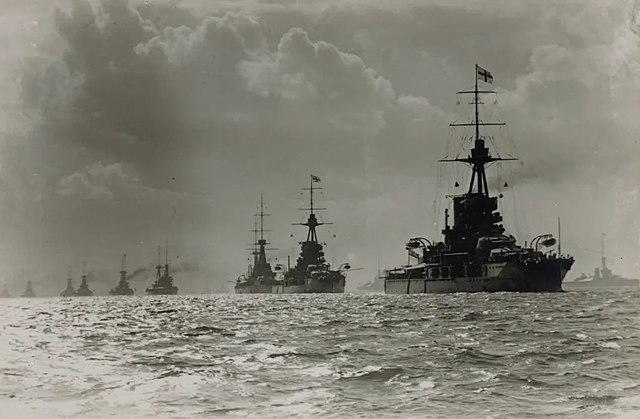
During the start of WW1, the British Navy was considered the most formidable maritime force on the planet. It boasted an impressive fleet of dreadnoughts and battlecruisers - both of which were symbols of naval might during this period. However, whilst not as large as its British counterpart, the German Imperial Navy was also a force to be reckoned with. This was because the Germans had invested heavily into their navy - making sure to focus on quality and technological advancements. Their ships were well-designed and equipped, reflecting Germany's growing industrial and military prowess. Eventually, this rivalry led to maritime battles that not only influenced the war's course but also shaped the future of naval warfare as well.
How Did the War at Sea Begin?
The war at sea would officially begin in 1914, with both Germany and Britain employing various different strategies in a bid to take control of key trade routes while also disrupting the enemy's supply chains. Firstly, the British Royal Navy, would implement a blockade in an attempt to starve the German side of critical resources. This blockade was not only about military supplies - it also extended to food and other commodities as well. In retaliation to this, the German Navy, realizing they were outplayed, turned to another form of warfare that would play a massive role in the war ahead - the U-boat. At this early stage in the war, both sides acted very cautiously when it came to tactics. For example, the British were wary of the potential losses in a direct confrontation with the German fleet and the threat posed by mines and U-boats. On the other hand, the Germans were testing the effectiveness of their U-boat strategy while also trying to avoid engagements that could lead to significant losses of their limited fleet.
What Was the Significance of the Battle of Heligoland Bight?
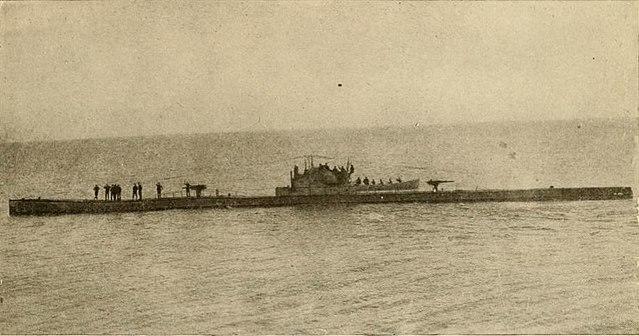
Fought on August 28, 1914, the Battle of Heligoland Bight was the first major naval battle of the Great War. In this battle, the British Navy, under Admiral Sir David Beatty, launched a bold attack against German vessels near their North Sea bases. By employing a strategic mix of destroyers, submarines, and battlecruisers, the British would effectively catch the German fleet off guard. For the Germans, it was a significant loss - with several of their cruisers and destroyers and over 1000 or more of their sailors killed or captured by the enemy. Due to this, the German side would adopt a more defensive stance to naval warfare in the battles ahead. However, for the British, this victory was monumental as it demonstrated to the world their naval superiority over Germany.
How Did Submarine Warfare Change the Nature of Naval Battles?
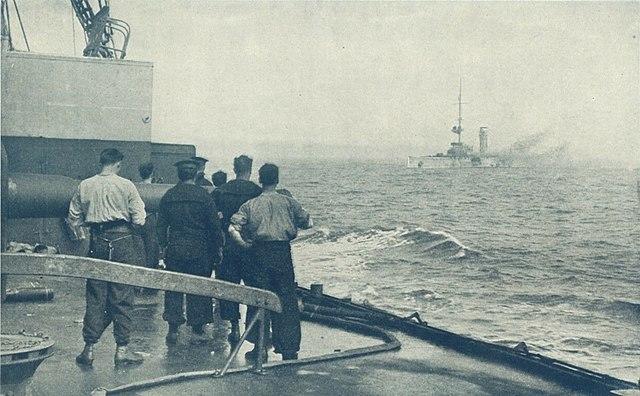
Submarine warfare, particularly the German U-boat campaign, revolutionized naval warfare during WW1. These stealthy underwater vessels targeted Allied merchant ships, disrupting supply lines and imposing a new form of maritime threat. The unrestricted submarine warfare, highlighted by the sinking of the Lusitania, brought a new level of danger to the seas, affecting not just military but also civilian vessels. This shift forced the Allies to develop new countermeasures, such as convoys escorted by warships, fundamentally changing naval tactics and strategy.
What Happened at the Battle of Jutland?
The Battle of Jutland in 1916 was the largest naval engagement during WW1. Once again, it saw the British Navy facing off against the German Navy’s High Seas Fleet. During the battle, over 250 ships would engage in a prolonged series of conflicts and maneuvers, with each side finally looking to get a decisive victory over the other. However, the battle would eventually prove inconclusive - in fact, both sides would claim they had won. Although the British Fleet had suffered heavier losses in terms of men and ships, they had also succeeded in maintaining control over the North Sea, and this had far reaching implications for the war as a whole. Essentially, the British had effectively contained the German fleet and prevented them from challenging British naval supremacy in open waters.
How Did the War at Sea End?
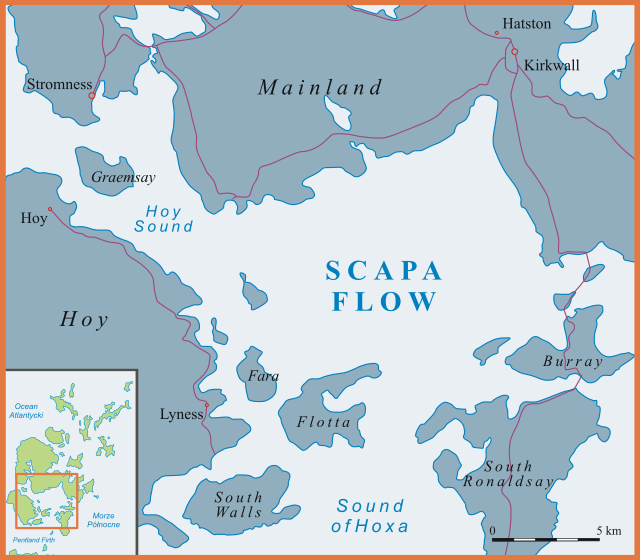
Eventually, the long period of war at sea would come to an end shortly after the armistice. As a result of this agreement, the German High Seas Fleet was quickly turned over to the allies and stationed at Scapa Flow, a harbor found in the Orkney Islands, Scotland. However, the story didn’t end there - on June 21, 1919, the majority of the fleet would be destroyed entirely due to a decision made by the German Commander, Admiral Ludwig von Reuter. Fearing the armistice would end and that his fleet would end up in the hands of the Allies, he made the command for the crews of the vessels to sink their own ships. With this action, the end of Germany's era as a formidable navy officially came to an end.
Conclusion
In conclusion, the naval battles that took place during World War 1 played a huge role in shaping the overall course of the war and the future of naval warfare. The war at sea would kickstart with Britain's Blockade tactic and Germanys U-boat response, which set a new precedent for naval tactics. Additionally, important battles such as Heligoland Blight and Jutland would serve as testing areas for the new strategic and technological advancements of the time. Although there was no clear winner, the Battle of Jutland also demonstrated the overwhelming superiority of the British Navy. Eventually, the war at sea would come to and end with the signing of the armistice and the German High Seas Fleet's scuttling at Scapa Flow, putting an end to Germanys ambitions at sea.
Summarise with AI:
Did you like this article? Rate it!

 Loading...