


What Led to the Eastern Front Showdown?
Ultimately, war on the Eastern Front would begin as a result of Adolf Hitler's ambitious yet misguided plan to launch Operation Barbarossa in June 1941. Essentially, the goal of the operation was to swiftly subdue the Soviet Union by invading and overwhelming the nation's military - although this wouldn’t exactly go to plan.
Once tentative allies, the two countries' differences in ideologies, one fascist and the other communist, had led to the conflict. Although both powers had signed a temporary non-aggression pact in 1939, they had remained distrustful and wary of each other. From here, Adolf Hitlers and the Nazi’s regimes aggressive expansionist policies and anti-communist and racist ideologies had set them on a collision course with the Soviet Union.
Why Was Stalingrad So Important?
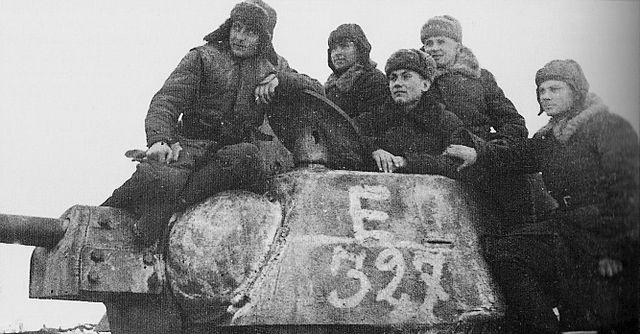
Stalingrad was important to the Soviet Union for several unique reasons. Situated on the western bank of the Volga River, Stalingrad was a site of major strategic importance, with supplies regularly being transported to and from the city.
Alongside this, it was also home to a vast industrial area which was crucial to the Soviet war effort. Likewise, Stalingrad also held symbolic values to many Soviets, having been named after their leader Stalin. Due to these reasons, Hitler believed that capturing the city would deal a decisive blow to the Soviet Union, both in military might and morale.
Plus, by achieving this goal there was a possibility that they could capture the Southern Flank of the Eastern front and eventually gain a foothold in the oil-rich Caucasus region. However, the Soviets would have other ideas, furiously defending their city from the invaders. Stalin's order of "Not One Step Back" transformed the city into a bastion of Soviet defiance, where every soldier and civilian was called upon to defend the city at all costs.
How Did Operation Barbarossa Set the Stage for Stalingrad?
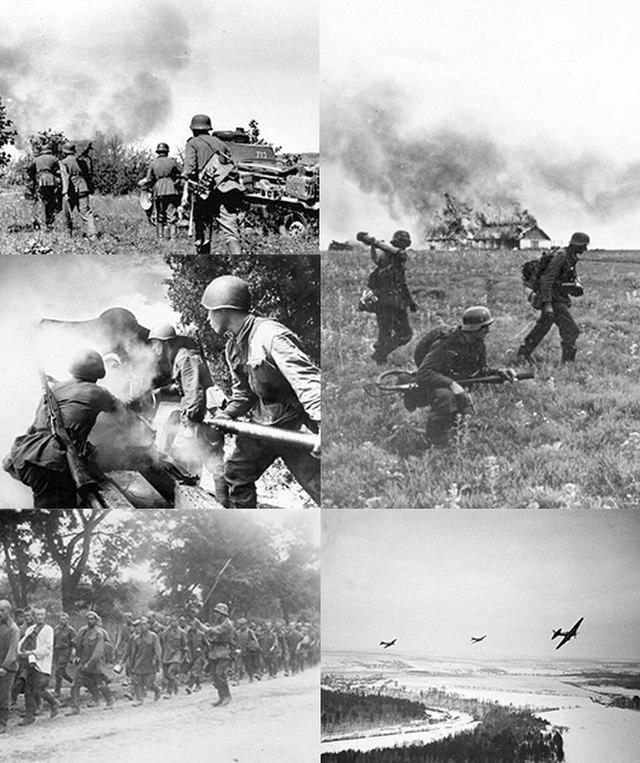
As mentioned previously, both Germany and the Soviet Union would first come to blows during OperationBarbarossa - the largest military operation in human history. Utilizing the blitzkrieg tactics they had used in Western Europe before, the Germans managed to take large areas of their enemy’s territory under their control.
However, this wouldn’t last for long - eventually, the operation's success would grind to a halt as Germany was faced with increasing logistical challenges, a harsh and brutal terrain, and Stalin's focus on destroying their infrastructure and supplies.
Initially confident they could beat the Soviets, the operation had led to a war of attrition that massively stretched the German's resources to breaking point. It was this failure to secure a quick and defining victory, mixed with the onset of the harsh Russian winter that caused Germany to reassess and set their sights on Stalingrad instead.
What Happened When the Siege of Stalingrad Began?
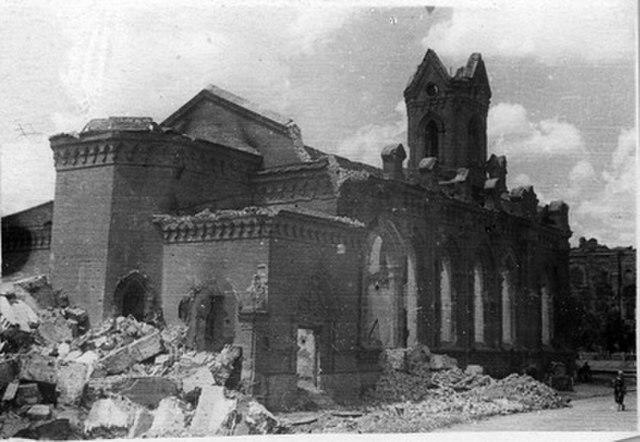
The Siege of Stalingrad would officially begin in 1942 when Germany advanced into the city late into the summer. To start, the Luftwaffe would bomb the city heavily in a bid to weaken the Soviets' defence and morale, reducing much of the city to rubble in the process. However, this did not stop the Soviets from resisting, and under the command of General Vasily Chikov, they would entrench themselves within the ruins, turning the city into a formidable urban fortress.
From here, the battle would escalate into arguably one of the most brutal sieges ever seen in military history, with both sides fighting tooth and nail to gain a decisive victory. Utilising their surroundings to their advantage, snipers would pick off German troops, with many becoming legendary names amongst their comrades. Whilst on the streets, troops on both sides would often be forced into brutal hand-to-hand combat.
What was Operation Uranus and How Did it Change the Battle?
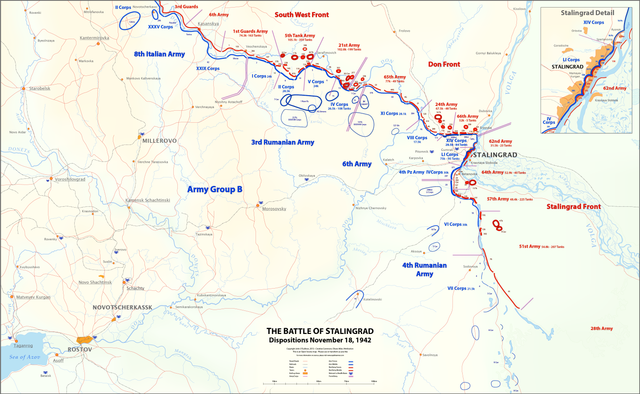
Taking place in November 1942, Operation Uranus would dramatically change the course of the Battle of Stalingrad. During this operation, the Soviets would take advantage of a crucial weakness inside the German 6th Army - the Romanian, Hungarian and Italian forces guarding the flank were ill-equipped and significantly weaker than the rest of the army.
Exploiting this vulnerability, the Soviets encircled and isolated a major portion of the German forces on the eastern front, taking them by surprise. But what role did this play in the ongoing siege going on in Stalingrad? Well, with the German 6th Army encircled, their ability to conduct offensive operations within the city was also massively impacted.
For instance, the Axis forces now had to deal with threats from both inside and outside the encirclement. Essentially trapped, they would begin to face major shortages of essential supplies and food, which was only made worse by the returning Russian winter. Although Hitler continued to order them to remain where they were, morale amongst the German forces was slowly but surely beginning to reach an all time low.
Why Did the German Forces Surrender?
The German forces surrendered due to a combination of the factors mentioned above. Over time, the relentless Soviet offensives began to steadily wear down both the physical and mental strength of the soldiers, most of whom were longing to return home.
Cut off from vital supplies and reinforcements and suffering from malnutrition and frostbite, the German 6th army was pushed to the brink of collapse. By January 1943, the situation for the German forces became desperate, leading to a loss of control and order within their ranks.
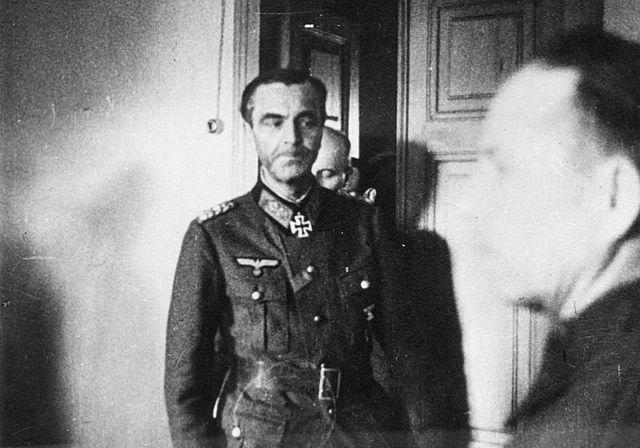
Shortly after this, the German forces at Stalingrad would surrender, under orders of General Friedrich Paulus. Interestingly, Adolf Hitler had promoted Paulus to Field Marshal shortly before the surrender, implying that he was expected to fight to the end or commit suicide rather than surrender. However, Paulus chose to surrender, believing further resistance to be futile and seeking to save the lives of the remaining German soldiers under his command.
Conclusion
In conclusion, Hitler's ambitious but flawed Operation Barbarossa directly led to the intense battle at Stalingrad, a critical point in World War II. Stalingrad's strategic and symbolic importance drew fierce fighting, and the German forces, despite initial successes, faced increasingly difficult challenges.
The Soviet's Operation Uranus would lead to a turning point in the battle, with the German 6th army being encircled and pushed to the edge due to their lack of resources and the harsh conditions of winter in Russia. From here, the German forces would ultimately decide to surrender, under the orders of General Friedrich Paulus, who wanted to save the lives of his men. This battle, marked by extreme conditions and brutal warfare, showcased the pivotal impact of strategic planning and resilience in war.
Summarise with AI:
Did you like this article? Rate it!

 Loading...