In the wake of Charles I's execution in 1649, England would once again find itself venturing into new and uncharted territory as it began its transition from a monarchy to a republic.
However, this period of republican rule would not last long, with the monarchy again coming into power under the rule of a new king in 1660.
In the years between, fierce ideological battles, changes in alliances, and a constant struggle for power from competing factions would all take place, ultimately throwing the nation into a state of turmoil.
If you love history and want to find out more about this fascinating period in England's past, make sure you keep reading below.





How Did the Commonwealth Spread its Influence?
Newly formed, the Commonwealth would face many challenges in its relationships with other monarchies around Europe.
The term "Commonwealth" refers to a political community founded for the common good. Historically, it has been used to describe states that are organised around the principle of the common good rather than the personal rule of a monarch.
Historical Context:
In historical terms, a commonwealth was often used to describe self-governing political entities, especially those that emerged in England after the English Civil War, like the English Commonwealth from 1649 to 1660, which was essentially a republic.
Modern Political Entities:
This can refer to any number of self-governing territories that manage their internal governance while sharing certain constitutional links with other states, such as the Commonwealth of Massachusetts.
Commonwealth of Nations: Perhaps the most recognized use of the term today is for the Commonwealth of Nations, an intergovernmental organization of 56 member countries that are mostly former territories of the British Empire.
In their eyes, the execution of King Charles I had set a dangerous precedent that threatened the divine rights of kings, a popular belief that monarchs receive their authority directly from god himself.
To make matters worse, in Scotland, Charles II, the son of the late king had been proclaimed as the rightful monarch.
Seeing this, Oliver Cromwell would lead his troops to a resounding victory against the threat at the battle of Dunbar in 1650, effectively bringing Scotland under heel.
From here, Cromwell would then turn his gaze to Ireland, where a coalition of Irish Catholics and English Royalists had staged an uprising. Committing many atrocities along the way as a result of his brutal scorched earth tactics, Cromwell was again successful, largely wiping out any resistance on the island.
However, the final threat to the commonwealth would come in 1651, when Charles II launched an all out invasion from Scotland. However, Cromwell's forces were ready and easily defeated Charles II's army at The Battle of Worcester on the 3rd of September 1651.
Narrowly escaping capture and his probable execution at the hands of parliament, Charles then fled to France - seemingly ending his ambitions of reclaiming his fathers throne once and for all.
What Political Divisions Emerged During the Commonwealth?
Following the abolition of the monarchy, various different factions and groups would start to emerge.
The main political body in charge was the rump parliament, which had been stripped of any members still loyal to the royalists. However, it faced fierce opposition from many radical religious groups, like the Millenarians, who believed Christ would soon return and establish a godly kingdom on Earth.
In 1653, Oliver Cromwell would dismiss the rump parliament entirely, replacing it with what he called the "barebones parliament", which was made up from Millenarian leaders and other radicals.
This form of government was extremely free-thinking and experimental for its time, with members often debating controversial issues such as the establishment of a new legal system based on biblical law, and even the abolition of the clergy.
Understandably, this horrified many nobles and peasants alike who were afraid this new form of government would upend the social order and lead to chaos and anarchy.
Fearing the growing unrest, Cromwell once again dissolved parliament and instead created theProtectorate, a sort of military dictatorship with himself appointed as Lord Protector.
All in all, this move would effectively result in the defeat of the Millenarian movement and many of its radical religious and political ideas.
What Were Cromwell's Aims and How Did He Govern England?
As Lord Protector, Cromwell had one major goal in mind - to create a long lasting, stable, and godly government for England. But how did he go about achieving this lofty ambition?
First and foremost, he started by dividing England into eleven different districts, each governed by its own major general who was in charge of keeping the peace and collecting taxes.
Alongside this, Cromwell pushed for more religious acceptance in England too, allowing Jews to return to England after many years of exile and allowing various protestants sects to operate somewhat freely.
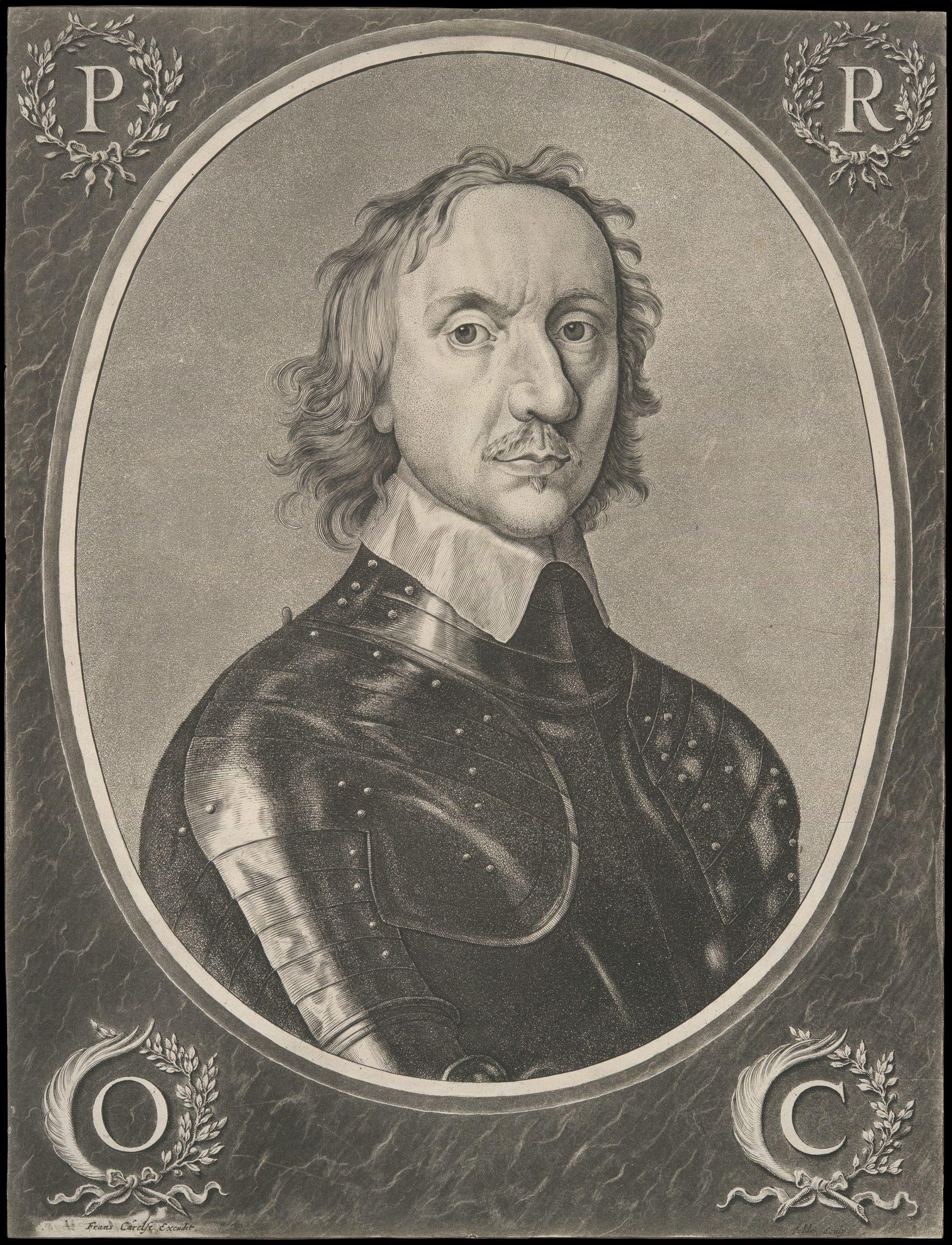
When it came to foreign policy, Cromwell was also a firm believer in imperialism, seeking to extend England's influence not only across Europe but to the further reaches of the world.
Waging war against both the Dutch Republic (1652-1654) and Spain (1655-1658) he would succeed in taking over the important territories of Jamaica and Dunkirk.
With Cromwell at the helm, England was slowly becoming one of the world's strongest naval powers, hinting at the imperialistic path it would soon embark on.
How Was the Monarchy Restored?
However, change was on the horizon. In 1658, Cromwell would pass away due to complications of malaria. With his death, the Protectorate would not last.
While Cromwell's son, Richard, would briefly inherit his role as Lord Protector, he lacked the iron will and political know-how of his father and was eventually forced to resign in 1659.
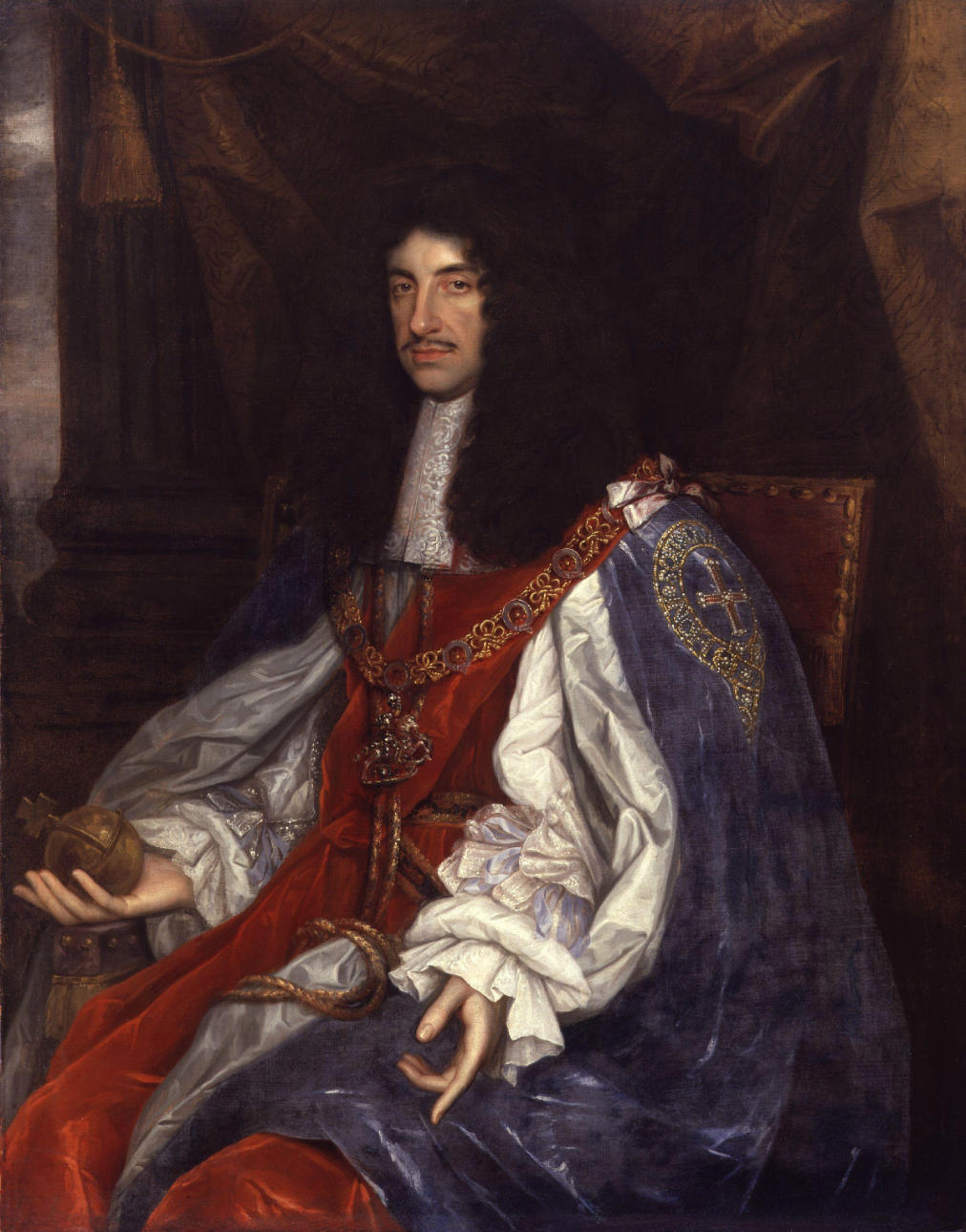
From here, Charles II would finally get his chance to step back into the picture in 1660, finally reclaiming his fathers throne after many failed prior attempts and years of forced exile. However, this restored form of monarchy was no longer the absolute powerhouse it had once been.
Charles II was only allowed to rule under the condition that he governed through parliament and with the advice of a council of ministers, each of whom had their own opinions for how the nation should be ruled.
Who Were Charles II's Ministers?
First among Charles ministers was Edward Hyde, the Earl of Clarendon who wanted to restore the Church of England and impose restrictions on non-conformist religion through measures like the Clarendon Code(1661-1665). However, he would eventually end up being exiled in 1667.
The Clarendon Code was a series of laws enacted between 1661 and 1665 aimed at securing the position of the Church of England by imposing severe restrictions on Roman Catholics and nonconformist Protestants.
Next to gain the king's favour was a group of five powerful ministers that has come to be known as the "Cabal". However, in 1672, the cabal would make a fateful mistake, influencing Charles II to issue the Declaration of Indulgence which suspended penal laws against Catholic and Protestant dissenters.
This act sent parliament into uproar, causing Charles to withdraw the declaration and instead accept the Test Act of 1673 which completely banned Catholics from public office. After the fall of the Cabal, the Earl of Danby would then emerge as the dominant figure in Charles II's government.
What Were the Court and Country Parties?
As Charles II's reign progressed, a new political divide began to emerge in England between the Court and Country parties.
The Court party, centred around the king and his ministers, wanted a strong monarchy, an alliance with Catholic France, and greater religious toleration for both Catholics and Protestant dissenters.
In contrast, the Country party, which drew its strength from the gentry and the more Puritan elements of the Church of England, feared the growing influence of Catholicism at court and sought to safeguard the powers of Parliament and the Protestant character of the nation.
Unfortunately, both sides would clash regularly in the coming years, especially when it came to the subject of Charles II's successor, James II.
Conclusion
From the years 1649 to 1679, England would undergo a massive transformation, going from a republic back to a monarchy in a relatively short span of years. After the death of Oliver Cromwell, whose time in power had seen many military victories against uprisings and the formation of various new parliaments, Charles II would finally regain his father's throne.
However, his power to make decisions would ultimately be pretty limited, with parliament keeping a watchful eye on the king. From here, the court and country parties would begin to bicker and clash over how the king should rule, leading to further tensions.
Summarise with AI:
Did you like this article? Rate it!

 Loading...