The mid-Tudor period, spanning from the reigns of Edward VI, and Mary I, to the early years of Elizabeth I, was marked by a series of crises and challenges that tested the stability and resilience of the Tudor dynasty. This revision guide explores the key events, social impacts, and intellectual developments that contributed to this turbulent period in English history.
Most historians are in agreement that the period was between 1547 and 1558, spanning three monarchs.
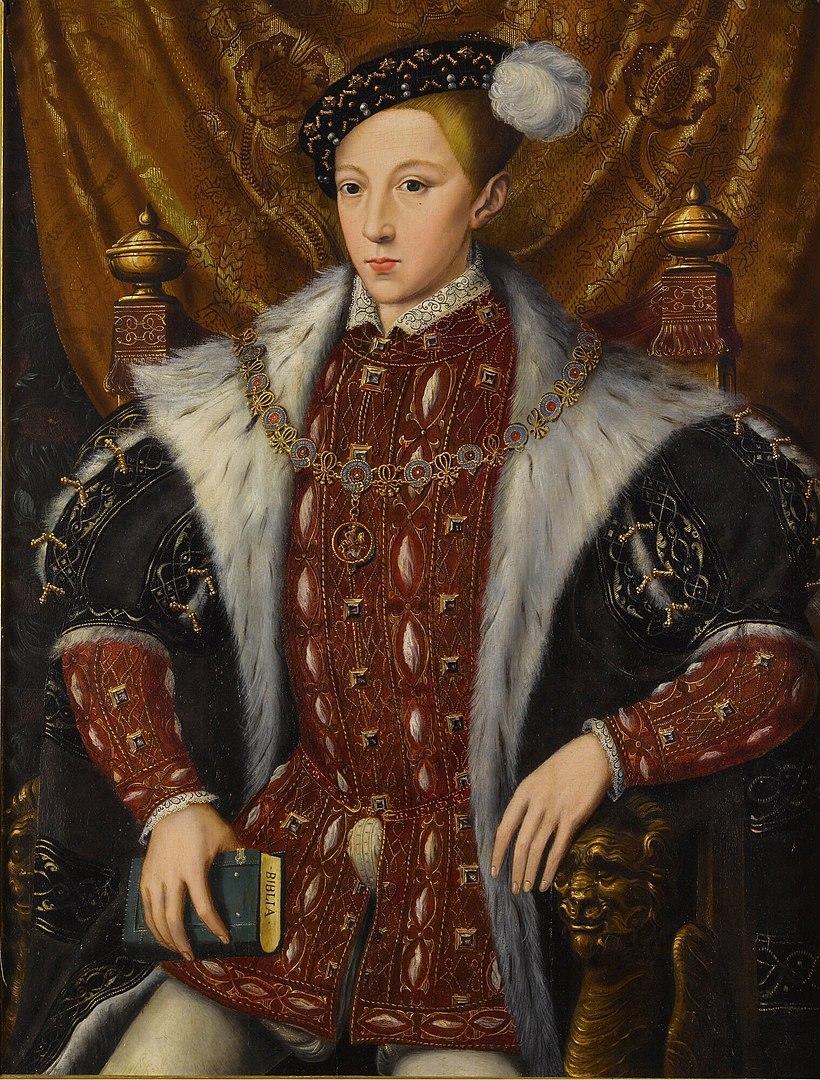
In very brief summary, the following issues defined the period and made up the crisis of the time:
- Religious changes: A protestant religion was the main focus under Edward, but under Mary there was a return to Catholicism as the main church, causing unrest and a lot of discontent.
- Social issues: This included poor harvests and very high inflation meant a step back economically and even fuelled rebellions. The currency was also debased during this period, further compounding issues and lowering the average family’s living standards.
- Foreign relations and policy failures: Both Edward and Mary had issues in dealing with neighbouring countries including France and Scotland.





Edward VI, Somerset, and Northumberland
The reign of Edward VI, from 1547 to 1553, witnessed the rise of two powerful regents, Edward Seymour, Duke of Somerset, and John Dudley, Duke of Northumberland. Somerset, as Lord Protector, initially pursued a policy of religious reform and centralisation of royal authority.
He implemented Protestant reforms, such as the dissolution of remaining monasteries and the introduction of the Book of Common Prayer. However, Somerset's autocratic rule and unpopular policies led to widespread discontent and rebellion, culminating in his downfall in 1549. Northumberland, seizing power after Somerset's fall, continued Protestant reforms but faced challenges from rival factions and foreign threats.
Edward VI was nine years old when he took control of the country, and just 15 when he died. Henry VIII's will had named sixteen executors, who were due to act as Edward's council until adulthood. These executors had given significant power to Edward Seymour, who was a skilled soldier and leader but an adulterer and someone whose political powers left a lot to be desired.
Having won at the Battle of Pinkie in September 1547, he set up a network of garrisons in Scotland, but eventually, the Scots allied with France, and the French sent many soldiers for the defence of Edinburgh. The Queen of Scots also moved to France, and eventually, an attack on Boulogne in 1549 meant that Somerset would have to withdraw from Scotland.
Seymour was replaced in a coup d’etat, with Somerset's successor the Earl of Warwick taking power. He was seen as weak by some, after taking more pragmatic and less divisive policies.
The Social Impact of Religious and Economic Changes under Edward VI
Edward VI's reign saw profound religious and economic changes that reshaped English society. The introduction of Protestant reforms, such as the English Reformation and the dissolution of monasteries, led to radical changes and redistribution of church lands and wealth, creating opportunities for social mobility and economic change. However, these reforms also sparked resistance and rebellion, particularly in the conservative regions of England, where traditional Catholic practices remained deeply ingrained.
Economic changes, such as inflation, enclosure, and agrarian reform, further exacerbated social tensions and inequalities, leading to widespread unrest and discontent among the common people.
Rebellion, Intellectual Developments, Humanist, and Religious Thought
The mid-Tudor period was marked by a series of rebellions and uprisings, fueled by grievances over religious, economic, and social issues.
The Prayer Book Rebellion of 1549, sparked by opposition to Protestant reforms, and the Wyatt's Rebellion of 1554, aimed at overthrowing Mary I's marriage to Philip II, highlighted the deep-seated divisions and discontent within English society. Intellectual developments saw a new movement of humanist and religious thought, as scholars and theologians grappled with questions of faith, reason, and authority.
Humanist thinkers such as Sir Thomas More and John Colet promoted classical learning and critical inquiry, while religious reformers such as John Hooper and Thomas Cranmer advocated for Protestant doctrines and reforms.
Mary 1
In further chaotic developments, after the death of Edward, Mary I would try to restore Catholicism.
Mary I's reign, from 1553 to 1558, was dominated by her efforts to restore Catholicism and suppress Protestant dissent. Her marriage to Philip II of Spain, aimed at strengthening England's ties with Catholic Europe, sparked opposition and resistance from Protestant factions.
Mary's ministers, including Stephen Gardiner and Cardinal Reginald Pole, played key roles in implementing her religious policies and overseeing the persecution of Protestants. However, Mary's efforts to reverse the religious changes of her predecessors were met with resistance and resentment, leading to further divisions and instability within English society.
Under Mary, many Protestant churchmen including Thomas Cranmer, John Bradford, John Rogers, John Hooper, and Hugh Latimer, were imprisoned.
The persecution of Protestants, including burnings at the stake and imprisonment, created an atmosphere of fear and mistrust, driving many Protestant sympathisers into exile or underground. Mary gained the nickname “Bloody Mary” at the time.
Economic changes, such as the loss of church lands and wealth, further exacerbated social tensions and inequalities, as Catholic loyalists benefited from the redistribution of property while Protestant dissenters faced persecution and discrimination. The mid-Tudor period saw a fragmentation of social cohesion and a deepening of divisions along religious and ideological lines.
Elizabeth I
Elizabeth I would take the throne after Mary’s death in 1558. She took on a complex situation in England at the time.
Elizabeth’s reign was long and largely successful, but she had to rebuild after a time of chaos. She introduced religious reform to mitigate factionalism and allow people more religious freedom, as well as stabilising the English economy. The Elizabethan Religious Settlement of 1559 established the Church of England as a middle way between Catholicism and Protestantism. She would enforce royal marriages to ensure the succession to the throne.
Elizabeth was politically savvy and improved the power of the Privy Council to improve stability and ensure that the UK’s governance was far more secure. Amidst economic and religious reforms, Elizabeth got England on an even keel and started to address the problem of the mid-Tudor crisis, effectively ending this period in history.
Summarise with AI:
Did you like this article? Rate it!

 Loading...