In the aftermath of Charles I's personal rule, which came to be known as the "Eleven Years Tyranny" England found itself teetering on the edge of a large-scale and devastating civil war.
Between 1629 and 1649, the nation would begin to buckle under the burden of ever-increasing divisions over religion, politics, and various serious social issues.
Unfortunately, these factors would ultimately lead to two civil wars and the death of the king.
In this article, we'll take a deep look at the key events and turning points that defined this chaotic and bloody chapter in England's history. Keep reading below to find out more!





How Did Religious Tension Contribute to the Growing Unrest?
As the 17th century progressed, religion remained one of the primary sources of conflict between the monarchy and its subjects.
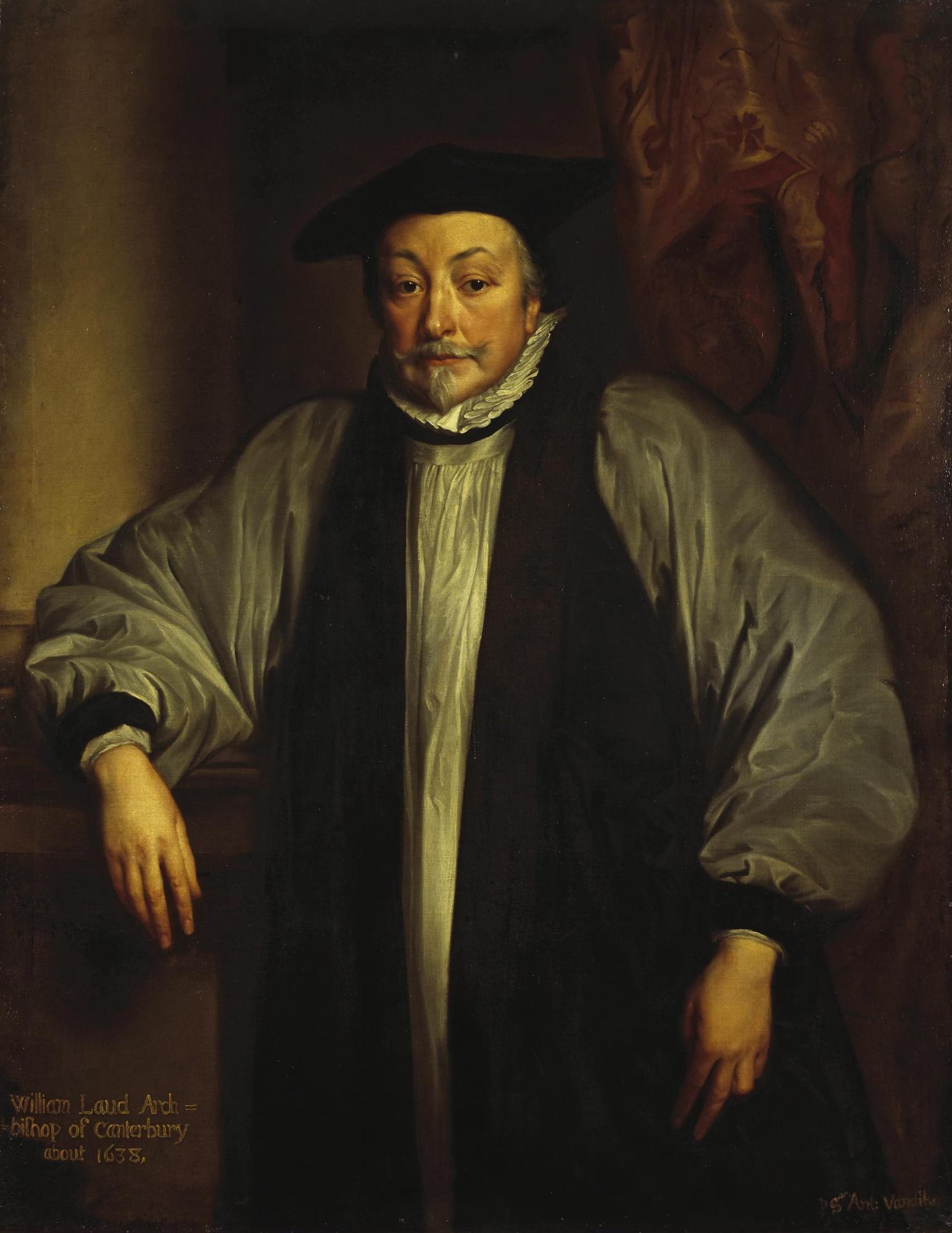
With Charles I embracing Arminianism, a popular theological movement of the time, and the growing influence of William Laud, appointed the Archbishop of Canterbury in 1633, the Puritans became increasingly paranoid that Catholicism would make a comeback.
To make matters worse, Laud had begun an aggressive campaign to try and impose uniformity on the Church of England, adding more fuel to the fire. Under his firm leadership, the church adopted a more ceremonial and ritualistic style of worship called Laudianism which further angered the Puritans who saw it as a betrayal of the simple scripture-based worship they held dear.
As a result, many Protestants would instead turn to a new form of religious expression called Millenarianism. Essentially, followers of Millenarianism believed that the second coming of Christ was imminent and that a new divine kingdom would soon be formed on Earth.
What Political Divisions Emerged During the Personal Rule and its Aftermath?
Charles I's personal rule or the "Eleven Years Tyranny", took place from 1629 to 1640 and was an attempt by the king to rule the country without parliament.
At home, the king's decision to extend the ship tax to include inland areas was met with fierce resistance by men like John Hampden, who famously refused to pay the tax and challenged its legal standing in court.
Similarly, in Scotland, Charles's attempts to impose the English prayer on the Scottish Church would result in huge gatherings of protestors and eventually the signing of the national covenant in 1638.
From here, England would be dragged into a series of short conflicts known as the Bishops Wars (1639-1640), which all but eroded the relationship between Charles and his Scottish subjects.
What Were the Short and Long Parliaments and How Did They Lead to War?
Facing mounting debts from the bishop's war and increasing opposition and unrest across his kingdoms, Charles I would be forced to summon parliament in 1640.
Lasting only three weeks, the Short Parliament was quickly dissolved after it refused to grant the king funds without any repercussions. Soon after, the worsening situation in Scotland soon resulted in another Parliament being called - the Long Parliament.
Unfortunately for the king, the Long Parliament would prove a formidable challenge due to one of his harshest and outspoken critics, John Pym. Determined to place limits on the king's power, Pym and his allies would quickly pass a new legislation called the Triennial Act.
This law essentially stripped Charles I of much of his personal ruling power by requiring parliament to be summoned every three years. Alongside this, Thomas Wentworth, the Earl of Strafford and one of Charles' chief advisors was also executed, much to the king's dismay.
Angered by these actions, Charles and several armed guards attempted to arrest five members of parliament whom he had accused of treason in 1642.
From here, both sides would begin preparing for war with parliament taking control of London and Charles rallying his supporters in the North.
How Did the First and Second Civil Wars Unfold?
The First English Civil War would officially start when the royalist forces led by Charles I, and the Parliamentarian army led by Oliver Cromwell traded blows across the kingdom.
While the Royalists initially did well, the Parliamentarians would gain the upper hand due to the combined efforts of Oliver Cromwell and his well-organised army known as the New Model Army and an alliance with Scottish Covenanters.
Eventually, the first civil war would come to a close when the royalists suffered a staggering defeat at the Battle of Naseby in 1645.
However, the conflict was not quite over yet. Hoping to gain more support, Charles I secretly negotiated with the Scots in 1648 in an agreement known as the "Engagement", where he promised that he would establish Presbyterianism in England if he was victorious.
It was this action that primarily kickstarted the Second English Civil War.
However, the Parliamentarians would again rise to the challenge and quickly defeat the royalist uprisings that sprang up all over England and Wales. From here, they then turned their attention to the Scottish invasion, defeating the Scots at the Battle of Preston.

Why Was Charles I Executed?
After having suffered defeat at the hands of the parliamentary forces, Charles I would not be lucky enough to escape harsh consequences.
In January 1649, the king was put on trial. Here he would face a barrage of accusations from Parliament, who argued that he had violated the trust between the monarch and the people by waging war against his own subjects.
Stubborn and committed to his beliefs, Charles I remained vocal about his innocence throughout the trial, refusing to recognize the legitimacy of the court regardless of the seriousness of his situation.
Soon after, he was found guilty and sentenced to death, being executed in front of a large crowd of onlookers on January 30th, 1649.
However, before his death, the king would share with the crowd one last bold and defiant statement - "I go from a corruptible to an incorruptible Crown, where no disturbance can be, no disturbance in the World".
With his death, came the temporary end of the English Monarchy, and the birth of a new era of republican rule known as the Commonwealth.
What Were the Post-War Divisions Between the Army and Parliament?
Unfortunately, as was common in this era of history, the end of the Civil War did not exactly bring about a period of peace and stability. Instead, it would only usher in a new era of disagreements and tensions between the army and parliament.
Believing the revolution had not gone far enough, the emboldened and charismatic Oliver Cromwell began to campaign for more radical long-lasting reforms.
Seeing this, parliament would grow increasingly wary of Cromwell's growing influence and feared a military dictatorship could be looming on the horizon.
These concerns came to a head during the famous Putney Debates of 1647, where representatives from the Army and Parliament engaged in heated discussions about the nation's future.
Despite immense efforts to find the middle ground, the army and parliament could not come to a meaningful agreement, with this setting the stage for further conflict and instability in the years to come.
Conclusion
From 1629 to 1649, England was a nation in turmoil, grappling with religious strife, political upheaval, and the devastation of two civil wars. The bitter struggle between King Charles I and Parliament would eventually reach a breaking point, resulting in the once unthinkable act of regicide. However, even with the king's death and the monarchy's temporary dissolution, the scars left by the Army and Parliament's post-war divisions ensured that the road ahead for England would be far from smooth.
Summarise with AI:
Did you like this article? Rate it!

 Loading...