After years of intense conflict that engulfed nations and reshaped international relations, World War I was finally nearing its end in 1918. This major event, highlighted by the Armistice and later the Treaty of Versailles, left a lasting impact on the world. The end of the war marked a significant turning point in history. It wasn't just the end of fighting - it was a moment that changed the global political and social landscape. The aftermath of WW1 saw the fall of empires and the rise of new nations and ideologies. Join us as we take an extensive look into how the Great War concluded.





What Events Led to the End of World War I?
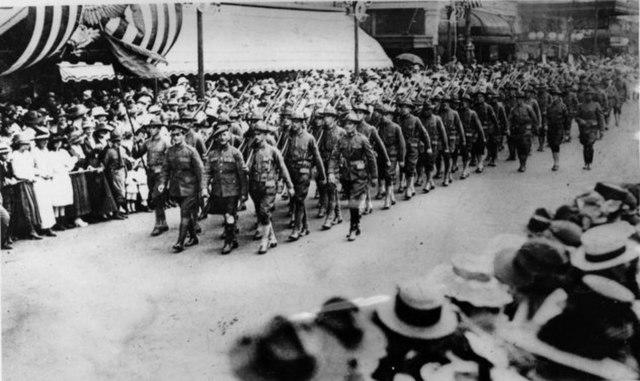
All in all, there were many events that contributed to the end of the war. However, the most important of these was the involvement of the United States in the war in 1917 - this resulted in the Allies receiving fresh troops and much needed resources. From here, the scales would begin to tip in the allies favour once and for all. On the opposite side, the Central Powers, and especially Germany, would be met with dwindling resources and low morale amongst their troops. Alongside this, the British Navals successful Blockade had also massively weakened the German economy resulting in less support from the homefront. Lastly, the failure of the Spring offensive left a sour taste in the mouths of the German forces, leaving them increasingly exhausted and demoralized.
How Was the Armistice Agreement Reached?
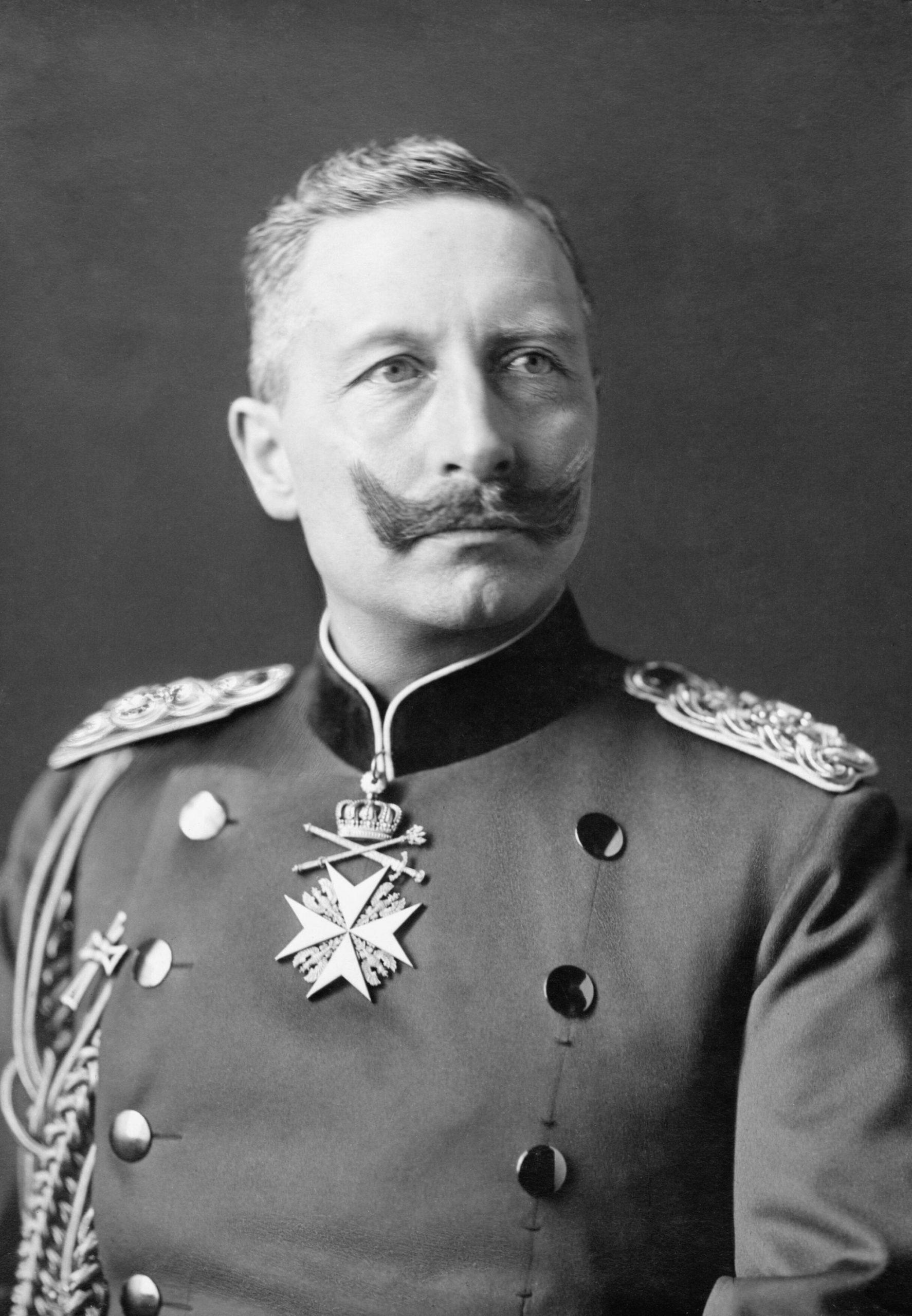
By 1918, it was becoming increasingly clear that Germany was no longer in a position to sustain the war effort. To make matters worse, Kaiser Wilhelm II, facing a revolution from unhappy civilians, would go on to abdicate his throne and flee to the Netherlands. With this dire situation rapidly descending into chaos, the new German government would decide to put an end to immediate conflict and seek an armistice. From here, the historic negotiations would take place in a railway carriage in the French Forest of Compiegne. At 5 a.m. on November 11, 1918, the German delegation, meeting with Allied Commander Ferdinand Foch finally signed the Armistice Agreement. This crucial accord mandated an immediate ceasefire, the withdrawal of German forces, the surrender of their arms, and the return of all prisoners of war.
What Immediate Effects Did the Armistice Have?
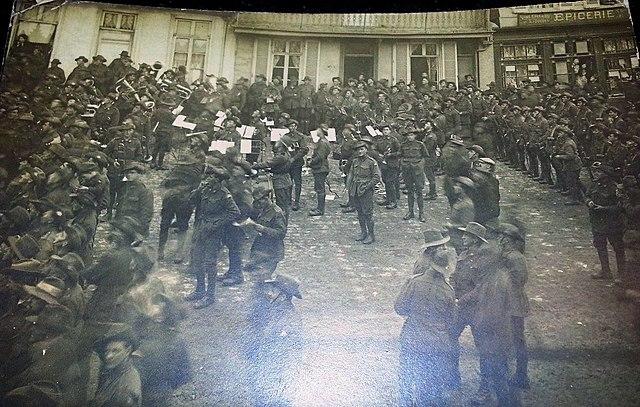
Once the armistice was signed, fighting on the western front would almost immediately end. For troops on both sides, this period in history was one full of joy and a growing sense of relief that they might soon be on their way back home. However, it’s important to mention that the Armistice was not actually a peace treaty but more a temporary agreement for a ceasefire of hostilities. Due to this, many involved in the war were also anxious about conflict breaking out once again in the near future. Thankfully, it wouldn’t take long for a formal conclusion of the war with the signing of the treaty of Versailles in 1919. After this, political changes would spread like wildfire throughout Europe, forever changing things in the process. For example, Germany would completely change its political landscape, which would lead to the creation of the Weimar Republic. The end of the war also triggered the collapse of other empires and the redrawing of national boundaries across Europe.
How Did the War Officially Conclude?
The official conclusion of World War I came with the signing of the Treaty of Versailles on June 28, 1919. This treaty imposed severe terms on Germany, including significant territorial losses, military restrictions, and heavy reparations. The treaty aimed to prevent Germany from instigating another war, but its harshness is often cited as a contributing factor to the rise of National Socialism in Germany and the eventual outbreak of World War II. The Treaty of Versailles, along with other treaties signed with the Central Powers, reshaped the geopolitical landscape of Europe and had lasting impacts on international relations in the long run.
What Were the Long-Term Impacts of the War's End?
The end of World War one would bring many far reaching and long lasting changes to the world. For example, one of the hardest challenges was the process of rehabilitating millions of soldiers back into society. Especially difficult was the task of reintegrating injured veterans back into everyday life, many of whom were now living with life changing disabilities and the unseen psychological effects of the war. Additionally, the war also led to the formation of the league of nations, a sort of precursor to today's NATO. But that wasn’t the end of the changes, the war's end saw a massive shift in global power dynamics, with the United States emerging as a significant international player.
How Did Nations Mourn and Remember the War?
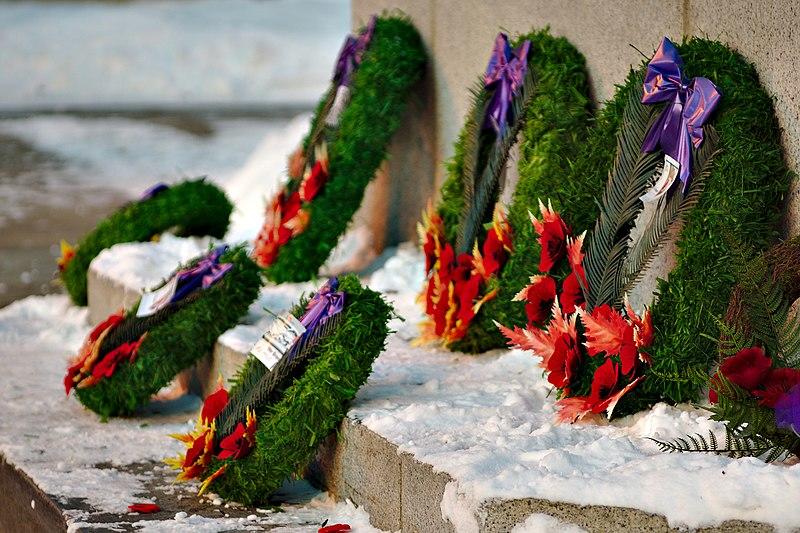
In the aftermath of World War 1, each nation would have its own way of mourning and remembering those who were lost. For example, Britain continues to honour its fallen heroes through various poignant traditions and memorials. The most notable among these is Remembrance Day, observed annually on November 11th, marking the armistice that ended the war. In France, the impact of the war was deeply etched into the national consciousness as well. The French government erected the Douaumont Ossuary in Verdun, a monumental resting place for the remains of over 130,000 unidentified soldiers. Germany, facing the complex aftermath of defeat, also found ways to mourn its dead. The Weimar Republic saw the rise of "Kriegerdenkmale," war memorials that served both as sites of mourning and as symbols of national reflection and regret.
Conclusion
In conclusion, the end of Word War 1 was a watershed moment that completely reshaped the world as we know it. Two of the biggest factors that led to the end of the great war were the United States joining the Allies and the weakening of Germany's power. Eventually, this would culminate in the 1918 Armistice and the 1919 treaty of Versailles, which finally put an end to the fighting. After the war, the world would witness the fall of empires, the rise of new nations, and the rise of the United States as a powerful figure in world politics. Nations all over the world would go onto to mourn the dead and hope for a brighter future in the years to come, unknowing that another World War would occur in the not so distant future.
Summarise with AI:
Did you like this article? Rate it!

 Loading...