Interested in learning more about the events of the Pacific War? In this article, part of a series documenting the events of World War 2, we’ll take an in-depth look into how the Pacific War began, the pivotal battles that shaped its course, and the profound effects on those involved.
What’s more, we’ll also cover the reasons behind Japan’s expansion, the shockwave of Pearl Harbor, and how the lingering effects of the Pacific War can still be felt around the world today. Keep reading below to find out more.





Why Did the Pacific War Happen?
The Pacific War was one of the major theatres of World War 2 and took place in the Asia-Pacific region of the world. The main reason this war began was due to the actions of Japan, who much like Germany in the West, wanted to expand their influence and power through imperialistic actions. Alongside this, the Japanese also wanted to improve their economy by taking resources like oil and rubber from their neighbours.
From here, Japan set its sights primarily on China, aggressively pushing into the country in a bid to take as much land and resources as possible. However, these actions would not sit well with the Western powers, especially America.
Seeking to put a stop to Japan, many nations responded with a barrage of economic sanctions and an oil embargo, all in an effort to cripple their war effort. Unfortunately, Japan would see this as a direct threat to its survival, and faced with dwindling resources and increasing international pressure, made the decision that wider military action was necessary - leading to the outbreak of the Pacific War.
How Did the Attack on Pearl Harbour Affect World War 2?
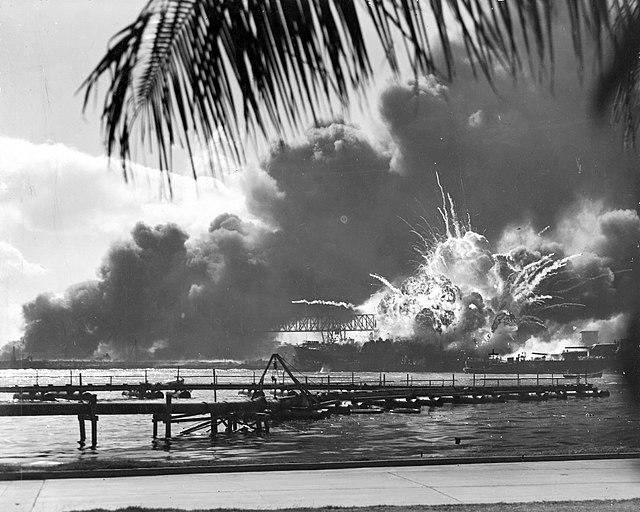
What happened in Pearl Harbour on December 7, 1942, would go down in history as one of the most tragic and pivotal moments of both the Pacific War and World War 2. On this day, the Japanese Navy Air Force launched a devastating attack on Pearl Harbour, a United States Naval base located in Hawaii, taking the American forces completely by surprise.
The attack led to significant loss of life and was a shocking blow to the United States. For example, more than 2,400 Americans were killed, and numerous ships and aircraft were destroyed or damaged. As a result of this event, the United States would make the decision to declare war on Japan, marking their official entry into World War 2.
With the American forces now backing them up, the Allies had the overall advantage in the balance of power. However, this decision also had a domino effect, leading Nazi Germany and Italy to declare war on the United States as well - solidifying the global divide between the Axis and Allied powers.
What Were the Major Battles of the Pacific War?
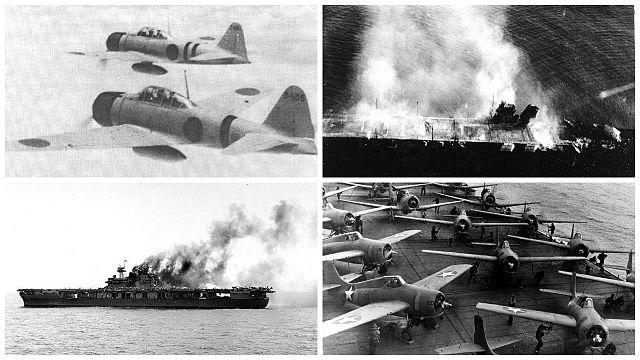
The Pacific War witnessed several crucial battles that shaped its course. For example, one of the most important turning points was the Battle of Midway in June 1942. Here, the U.S. Navy would manage to strike a decisive blow to Japan by utterly defeating its fleet in combat, reducing the effectiveness of Japan’s naval capabilities.
The Guadalcanal Campaign was a series of pivotal battles during World War II, that took place from August 1942 to February 1943 in the Solomon Islands. Initiated by the United States, it marked the first major Allied offensive against the Japanese Empire.
The campaign began with the amphibious landings on Guadalcanal, aiming to capture an airfield that the Japanese were constructing. This strategic move was intended to prevent Japan from disrupting supply routes to Australia and to establish a base for Allied operations.
After this, the Guadalcanal campaign, which took place from August 1942 to February 1943 was another highly important conflict and was the first major offensive carried out by Allied forces against the Japanese Empire.
Later on in October 1944, the Battle of Leyte Gulf would take place, one of the largest naval battles in history - during the conflict, the Philippines would be liberated from Japanese occupation. These battles, among many others, would play a vital role in gradually eroding Japan’s ability to keep waging war. From here, the tide would begin to turn in favour of the allies in the Pacific theatre.
How Did the Pacific War Affect Civilians?
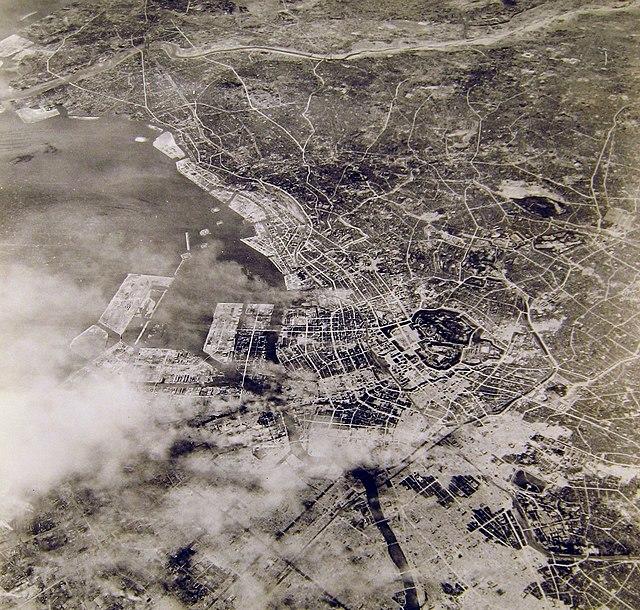
The Pacific War had a massive impact on civilians, both in the countries directly involved in the conflict and in the occupied territories. For instance, in Japan, civilians had to endure severe hardships due to widespread bombing raids, scarcity of resources, and strict military governance. The most notable were the firebombings of Tokyo and other cities which caused enormous civilian casualties and devastation. What’s more, in the United States, the war also led to the internment of Japanese Americans - a dark chapter reflecting wartime hysteria and racial prejudice.
Meanwhile, in much of Southeast Asia and the Pacific Islands, civilians experienced harsh military rule, forced labour, and in many cases, atrocities and violence from their occupation by Japan.
Today, many of the scars of the Pacific war can still be felt by the generations that lived through it and their descendants.
How Did the Pacific War End?
Unfortunately, the end of the war would unfold in a horrifying and dramatic manner. Unwilling to surrender due to cultural beliefs and honour, the Japanese would continue to fight, regardless of the overwhelming odds they now faced.
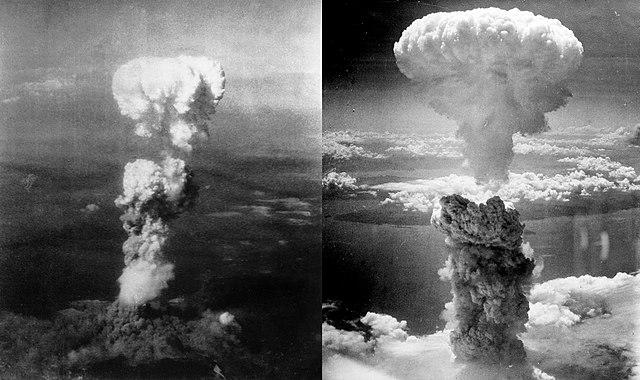
Seeking to finally put an end to the war, the United States would go on to make a decision they believed would leave Japan with no choice but to surrender, changing the course of the nation's future forever. In August 1945, the United States dropped atomic bombs on two major cities in the region, Hiroshima and Nagasaki, resulting in widespread destruction and the deaths of hundreds of thousands of Japanese citizens.
Hiroshima Bombing: On August 6, 1945, the U.S. dropped the first atomic bomb, nicknamed "Little Boy," on Hiroshima. The bomb exploded approximately 600 meters above the city centre, instantly killing an estimated 70,000 people, with total deaths by the end of the year climbing to about 140,000 due to radiation exposure and injuries.
Nagasaki Bombing: Three days after Hiroshima, on August 9, 1945, a second bomb, "Fat Man," was dropped on Nagasaki. The bomb caused immediate devastation, killing about 40,000 people on impact, with total deaths reaching approximately 74,000 by the end of 1945.
Alongside this, the Soviet Union, who had once been neutral to Japan, also declared war and invaded Japanese-held territories in Manchuria - putting Japan under further military pressure. From here, facing challenges from all sides and the very real threat of further bombings by the USA, Emperor Hirohito would announce in August 1954 that Japan would fight no longer and finally surrender. This event would not only end the Pacific War but also World War 2 as a whole
What Was the Legacy of the Pacific War?
The events of the Pacific War would have long-lasting and far-reaching implications all over the globe. In the immediate aftermath of the war, Japan's imperial ambitions would effectively be dashed and eventually forgotten.
Whilst being occupied by the allies, Japan would go on to adopt a new constitution, embrace democracy, renounce war and start on a new path towards becoming an economical and independent power through other more beneficial means.
On the other hand, the United States would grow to become a powerful and dominant force in the Pacific, strategically placing military bases and influencing the politics in the region. Additionally, in Southeast Asia, countries like Indonesia, Vietnam, Malaysia, and the Philippines would successfully break free from both European and Japanese rule, becoming independent and forming their own political powers.
Conclusion
In summary, the Pacific War was triggered by Japan's expansionist ambitions, eventually culminating in clashes with Western powers. From here, the situation would only deteriorate more when the Japanese bombed Pearl Harbor, dragging the Americans into World War 2.
Soon after, key battles like Midway would turn the tide against Japan, whose civilians were already struggling under bombing raids and military rule. Eventually, the Pacific War came to a tragic close with the atomic bombings of Hiroshima and Nagasaki, leading Japan to finally surrender.
Summarise with AI:
Did you like this article? Rate it!

 Loading...