If you’re familiar with history, you might think of the 1950s as a time of peace and prosperity in America, but Dwight D. Eisenhower's presidency was far from simple.
As the 34th president, Dwight's time in the role saw him navigating a booming post-war economy, dealing with worsening tensions with the Soviet Union, and the rise of the civil rights movement.
In the following article, we’ll take a look into the intricacies of Eisenhower's presidency, examining things like his economic policies, Cold War strategies, responses to social changes, and more.
Keep reading for a fascinating in in-depth dive into American history!





How Did Eisenhower's Personality Influence His Presidency?
Overall, Eisenhower's personality played a pretty big role in his presidency. A former World War II general, he brought a sense of discipline and order to the white house that it had seemingly lacked beforehand.
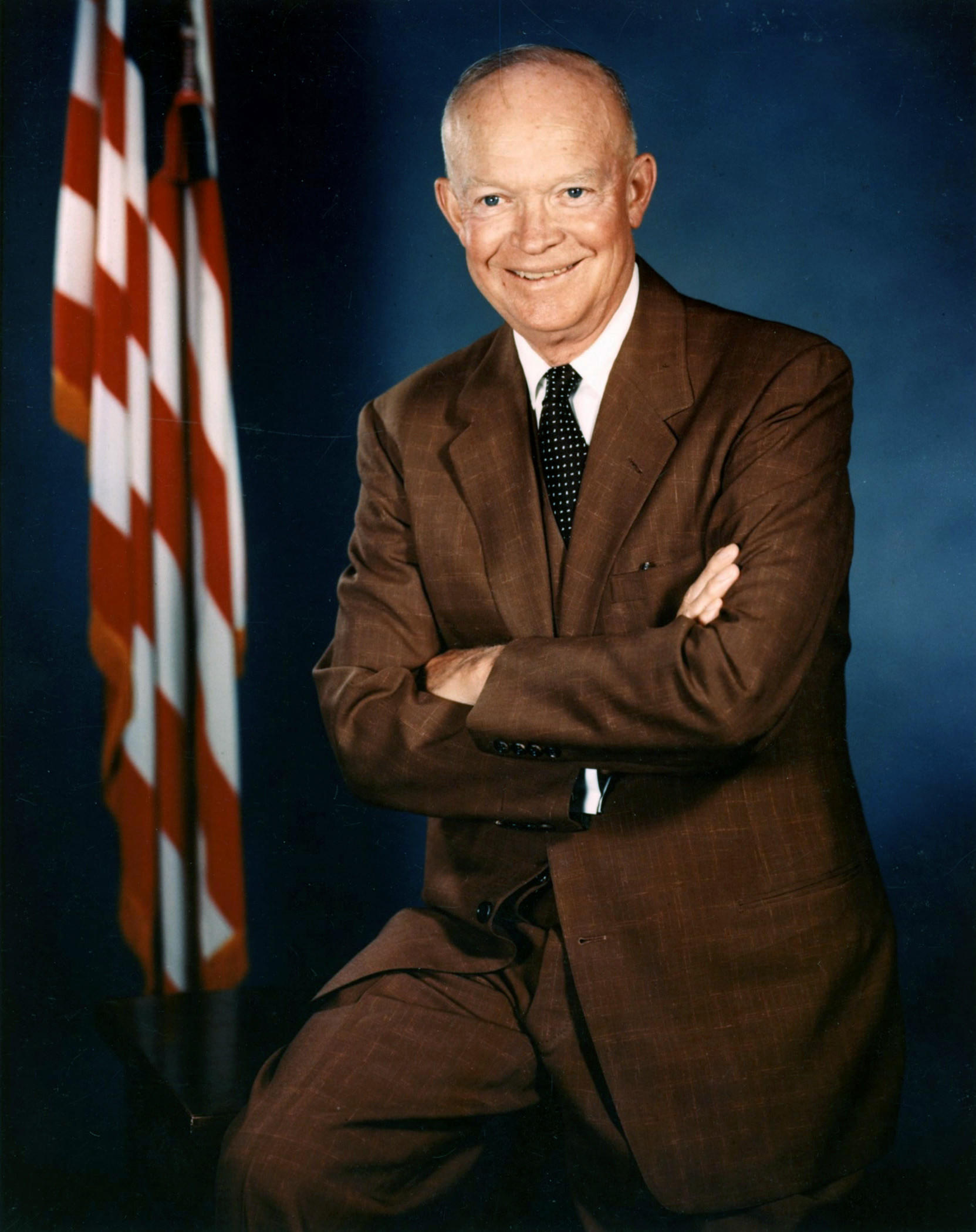
Famously known for his calm demeanour and knack for building consensus, Eisenhower would go on to introduce something called “dynamic conservatism” to the political sphere of the time.
Simply put, this philosophy centred around being fiscally conservative (limiting government spending) but also socially liberal at the same time, supporting various programs that benefited the interests of the American public.
However, Eisenhower's right-hand man, Vice President Richard Nixon, was almost the polar opposite to him. Holding strong anti-communist views, Nixon believed that a hard-line stance was necessary to combat the ongoing perceived threat of Soviet influence.
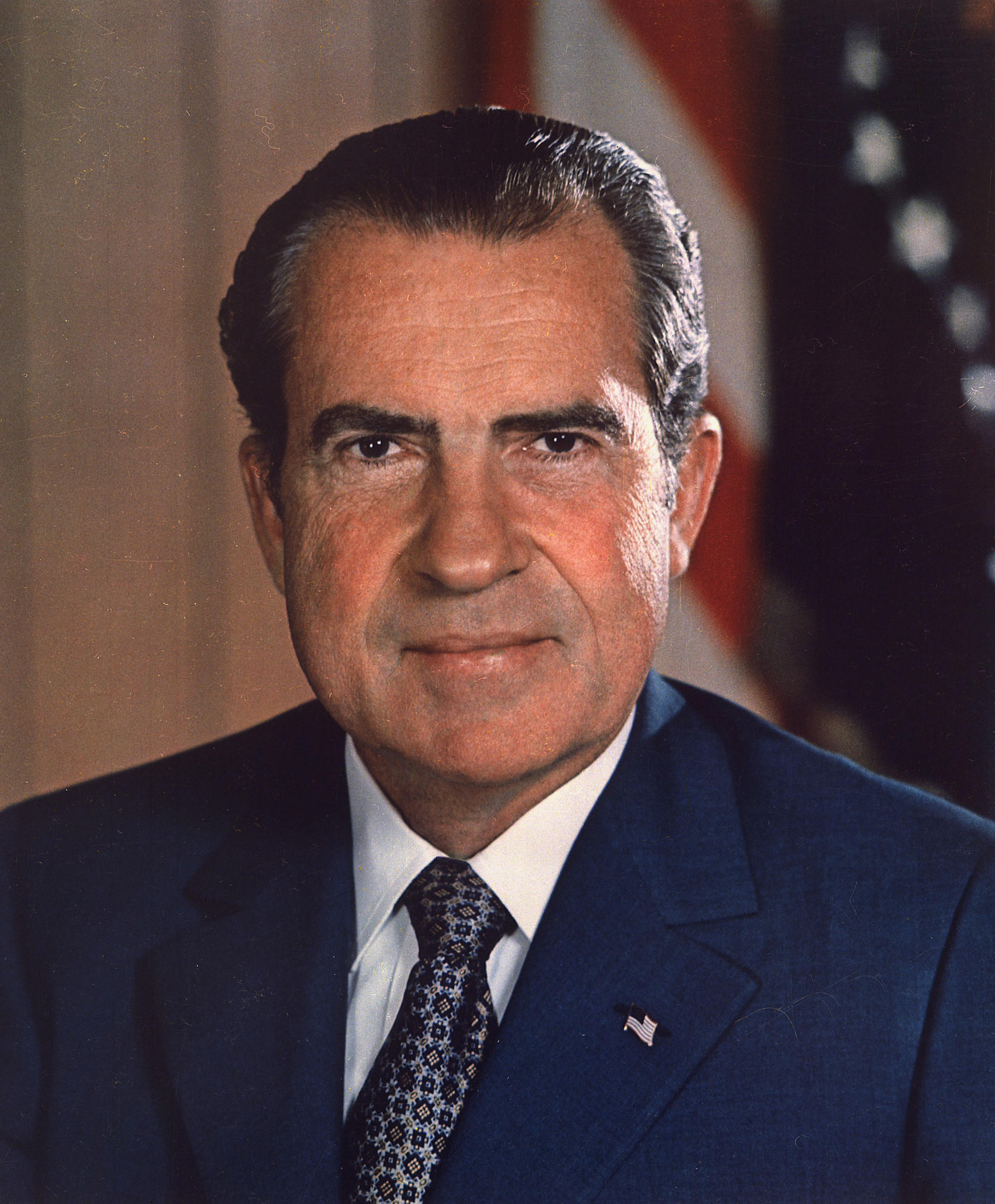
As a result, this unique combination of Eisenhower's more moderate approach and Nixon’s vehement stance against communism helped appeal to a larger percentage of Americans across the country.
Arguably the biggest achievement to come out of dynamic conservatism was the interstate highway system. With highways now being built across the country, interstate travel became much easier, creating jobs and boosting regional economic growth massively.
Why Did the American Economy Flourish in the 1950’s?
The 1950s were a golden era for the American economy, marked by incredible growth and prosperity. But what exactly made the economy thrive during this lively decade? Let's break it down:
- Wartime Production Shift: Factories went from making military supplies for WW2 to mainly consumer goods like cars, TVs, and radios
- Consumer Demand: After years spent being thrifty during the war, Americans were eager to spend money on new homes and modern gadgets that were becoming increasingly more available
- Suburban Expansion: Affordable suburban housing drove demand for household items, boosting various sectors.
- Consumer Culture: Owning the latest material possessions became a sign of wealth, sparking a consumerism boom that lasted years
- Advertising: Advertising was also on the uptick, encouraging Americans of all backgrounds to spend their money on the latest and greatest goods
- Easy Credit: Accessible credit allowed people to buy now and pay later, increasing spending tenfold
How Did Eisenhower Address Crises in Europe and Asia?
While president, Eisenhower would face his fair share of crises in both Europe and Asia. For example, in 1956, the Hungarian Revolution would begin when citizens of the country rose up against their soviet controlled government demanding freedom and democracy.
Lasting only 12 days, the rebellion would ultimately be violently squashed on the 4th of November by soviet forces. Eisenhower, cautious of escalating the conflict, chose not to intervene militarily, instead offering moral support for the survivors while heavily condemning the actions of the Soviets.
Additionally, when Eisenhower took office, he also faced the ongoing Korean War. Determined to bring an end to the conflict, Eisenhower made it a top priority to negotiate an armistice. In 1953, he successfully brokered an agreement that effectively ended active combat once and for all. However, the armistice left Korea divided along the 38th parallel, a division that actually still exists to this day.
How Did Eisenhower Tackle McCarthyism?
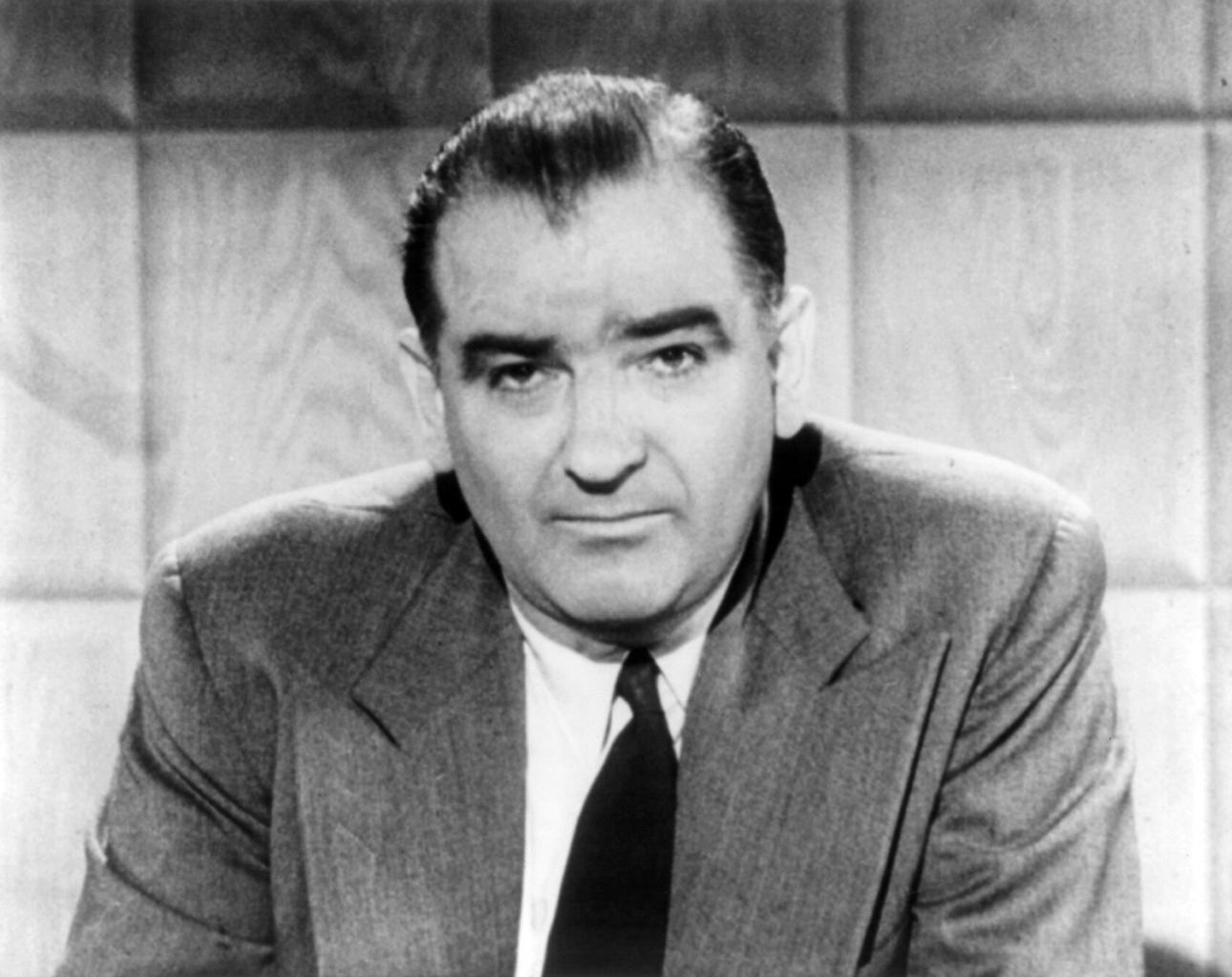
Unfortunately, a large chunk of the 1950s was dominated by the fear and paranoia of McCarthyism, which was driven by Senator Joseph McCarthy's relentless and often imaginary hunt for communists amongst the American populace.
In order to handle McCarthy, the president decided to undermine him indirectly instead of choosing to confront him head-on. This tactic would eventually succeed, and by 1954, McCarthy would be completely discredited due to the Army-McCarthy hearings which were televised to the whole nation.
How Did the USA Navigate the Cold War Under Eisenhower?
Eisenhower's time as president was deeply intertwined with the Cold War - a tense period where the USA and the Soviet Union were engaged in a bitter rivalry where any wrong move could result in a nuclear winter.
Much like his predecessor, Truman, Eisenhower was committed to the policy of containment to try and halt the spread of communism across the world.
However, his approach tended to combine military strength with covert operations and diplomatic efforts. For example, a key part of Eisenhower's Cold War strategy was his use of the CIA for secretive covert operations.
Over the years, the group would conduct numerous operations in a bid to counter soviet influence, such as the 1953 coup in Iran. Here, the CIA played a critical role in overthrowing Prime Minister Mohammad Mossadegh after he nationalised the oil industry, a move which threatened Western interests.
Later on, in 1955, the Geneva Summit was held. Here Eisenhower and Soviet PremierNikita Kruschev met face to face with the goal of reducing Cold War tensions. Although no actual agreements were made, the summit seemed to be a step in the right direction for the two superpowers.
Despite this, in 1957 Cold War anxieties would again be triggered when the soviet satellite Sputnik was launched - worrying many onlookers that the Soviet Union had gained a clear edge in technology. In response, the president would go on to establish NASA in 1958, kicking off a period which would go down in history as the Space Race.
The Eisenhower Doctrine aimed to limit soviet influence in the Middle East by providing them with economic and military assistance. This policy would be acted upon in 1958 when Eisenhower sent U.S. troops to stabilise the Lebanon government.
How Did the Civil Rights Movement Gain Momentum During this Era?
Overall, the 1950’s were a pretty big turning point for the Civil Rights Movement. With Eisenhower in office, the push for equality for African Americans was finally beginning to pick up some speed.
For example, in 1954, the Supreme Court's Brown v. Board of Education decision officially declared school segregation unconstitutional. However, the southern states, long behind on matters of equality, did not take this decision well and resisted fiercely.
Arguably, the most notorious clash would happen in 1957 when nine African-American students decided to turn up for classes at Central High School in the town of Little Rock, Arkansas. The opposition to their attendance was so intense that President Eisenhower was forced to send in federal troops to escort the students and enforce the court's decision.
Meanwhile, the movement was also gaining traction in the North as well. Leaders like Martin Luther King Jr, spurred on by the actions of everyday heroes like Rosa Parks, began to advocate for serious change through nonviolent protests.
Conclusion
A calm and pragmatic man, Eisenhower's time in the presidential seat would see him skilfully balancing a range of important issues, including worsening tensions with the Soviets, the ongoing civil rights progress, and multiple wars in Asia.
What's more, many of his policies, like dynamic conservatism and the creation of the interstate highway system would be instrumental in shaping the era as a whole. Despite these numerous challenges, both at home and abroad, his leadership left a lasting impact on the country, showing both the calm and the turmoil that so characterised his time in office.
Revision Questions
What were some key factors that led to the economic prosperity of the 1950s in America?
Several factors contributed to the economic boom of the 1950s:
- Wartime Production Shift: Factories transitioned from producing military supplies to consumer goods like cars and televisions.
- Consumer Demand: After the austerity of World War II, Americans were eager to spend on new homes and modern gadgets.
- Suburban Expansion: Affordable suburban housing increased demand for household items, stimulating various sectors.
- Consumer Culture: Owning the latest products became a status symbol, driving a consumerism boom.
- Advertising: Increased advertising encouraged people to buy the latest goods.
- Easy Credit: Accessible credit allowed for buy-now-pay-later options, significantly boosting spending.
How did the USA navigate the Cold War under Eisenhower?
Eisenhower's Cold War strategy involved a combination of military strength, covert operations, and diplomatic efforts:
- CIA Operations: The CIA conducted operations to counter Soviet influence, such as the 1953 coup in Iran.
- Geneva Summit (1955): Eisenhower and Soviet Premier Nikita Khrushchev met to reduce tensions, although no concrete agreements were made.
- Space Race: In response to the Soviet launch of Sputnik in 1957, Eisenhower established NASA in 1958, marking the beginning of the Space Race.
- Eisenhower Doctrine: This policy aimed to limit Soviet influence in the Middle East, demonstrated by sending U.S. troops to Lebanon in 1958.
Summarise with AI:
Did you like this article? Rate it!

 Loading...