When it comes to the history of the Cold War, few events have been quite as close to global catastrophe as the Cuban Missile Crisis. In 1962, a 13-day standoff between two powerful nations, the United States and the Soviet Union, took place due to the deployment of nuclear missiles in Cuba - a country only a stone's throw away from the shores of the United States. Below we’ll take an in-depth look at the events leading up to and during the Cuban Missile Crisis, and take a look at the role and effect it had on the Cold War as a whole. Keep reading below to find out more!





How Did The Cuban Missile Crisis Begin?
As previously mentioned, the crisis began when the Soviet Union, led by Nikita Khrushchev, made a strategic decision to install nuclear missiles in Cuba - located a mere 90 miles off the coast of Florida. So, what prompted Nikita Khrushchev to take this step?
Primarily, it was a tactical response to the presence of American missiles in Turkey and Italy, and it also served as a measure to protect Cuba from any potential invasions by the USA. This decision led to the unfolding of a tense and precarious standoff between the two superpowers.

Who Were Kennedy and Khrushchev?
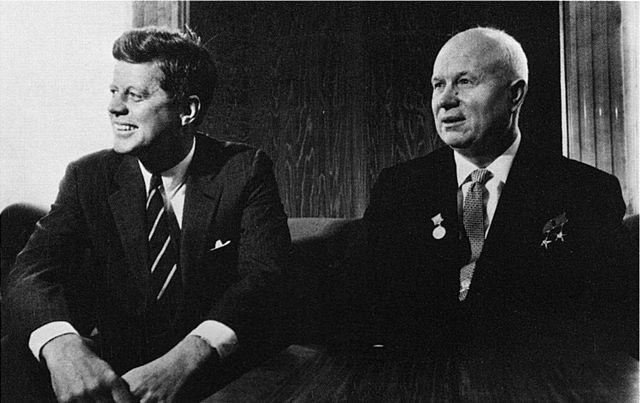
At the center of the crisis were two very powerful leaders, U.S President John F. Kennedy and Soviet Premier Nikita Khrushchev, each of which held the very fate of the world in their hands. The U.S President, upon hearing the news of the Soviet missiles was faced with an extremely tough decision. Either he could take military action against the Soviets, risking nuclear war in the process, or reach out a hand and try to solve the crisis peacefully instead.
Thirteen Days of Fear
The crisis officially began on October 16, 1962, when Kennedy was informed that the missile sites existed. Over the next thirteen days, the world would watch anxiously as the United States and the Soviet Union began t in a tense political and military standoff. During this time, Kennedy's administration thought about various responses, including an air strike and invasion of Cuba, a blockade, or diplomatic negotiations. However, each option still carried its own set of risks and potential triggers for a larger conflict.

What Was The Naval Blockade of Cuba?
In the end, Kennedy would decide that a naval blockade (essentially a quarantine of Cuba) was the best course of action to prevent further Soviet shipments of missiles. Announced on October 22, this move turned out to be a critical turning point in the crisis. Although it was definitely a show of force, it also left some room for diplomatic negotiations as well - a smart move when the fate of the world lay in the balance. Whilst the blockade did do a lot to worsen tensions it also demonstrated the U.S.'s resolve to prevent the installation of Soviet missiles so close to its shores.

How Did the Cuban Missile Crisis End?
The resolution of the Cuban Missile Crisis unfolded through a series of high-stakes, behind-the-scenes negotiations. The turning point came with Premier Khrushchev's offer on October 26 - he would remove the missiles from Cuba if the U.S. officially promised not to invade. However, that wasn't the end.
Instead, everything would intensify with a second, more demanding Soviet message and the downing of a U.S. U-2 spy plane. In response to this, President Kennedy would consider Khrushchev's initial proposal, agreeing to the missile removal. However, in a secret move, he would also consent to withdraw American missiles from Turkey, though this part of the agreement was kept confidential for many years. Thankfully, the crisis came to a close on October 28, when Khrushchev announced the dismantling of the missiles in Cuba.
The Unseen Frontline of the Crisis
The Cuban Missile Crisis wasn't just a confrontation of military forces - it was also a battle waged in the secretive world of espionage. For example, the discovery of Soviet missiles in Cuba was actually made possible by the U.S. U-2 spy planes. These high-altitude reconnaissance flights were an essential tool in helping provide President Kennedy with the firm photographic evidence needed to confront the Soviet Union.
How Did the World React to the Cuban Missile Crisis?
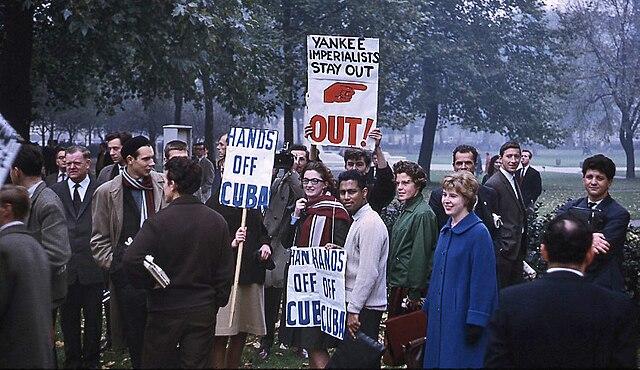
The Cuban Missile Crisis wasn't just a big deal for the U.S. and the Soviet Union - it caught the attention of the whole world too. For example NATO member countries, which were already nervous about how close they were to Soviet territory, felt especially uneasy. On the other hand, countries in the Soviet bloc were both worried yet equally supportive of the Soviet Union. During this time, the United Nations, led by Secretary-General U Thant, would go on to play a crucial and much-needed role - acting as a go-between for the U.S. and the Soviet Union, helping them to ease the tensions felt by both sides.
How Did the Cuban Missile Crisis affect Global Politics?
The Cuban Missile Crisis did a lot to reshape political dynamics. for example, both the United States and the Soviet Union realized the extent of the nuclear threat they had narrowly escaped and began to approach their interactions more cautiously. A notable outcome of this new strategy was the creation of the "Hotline," which was essentially a direct and swift communication link between Washington and Moscow. Additionally, the Nuclear Test Ban Treaty was also signed in 1963 - a move that aimed to prevent similar crises from ever happening in the future.
Conclusion
The Cuban Missile Crisis was one of the Cold War's most defining moments, with the world coming incredibly close to nuclear destruction. Due to missiles being placed in Cuba, a location very close to the United States Shores, President Kennedy and Premier Kruschev would become wrapped up in a tense standoff.
However, due to Kennedy’s decision to use a naval blockade instead of sending in military forces and discussions being held by both sides, the missiles were eventually dismantled and removed. This agreement meant the U.S. had to agree not to invade Cuba, as well as remove their own missiles from Turkey. From here, a new era of diplomacy would begin between the two nations, as shown by the creation of the "Hotline" and the signing of the Nuclear Test Ban Treaty.
Summarise with AI:
Did you like this article? Rate it!

 Loading...