Want to know more about the history of the British Empire? Join us below as we take a look through all the major events of the British Empire’s history, chronicling everything from its rise to power, its years spent as one of the world's major powers, and its decline and eventual downfall.





The Dawn of Naval Dominance (1588)
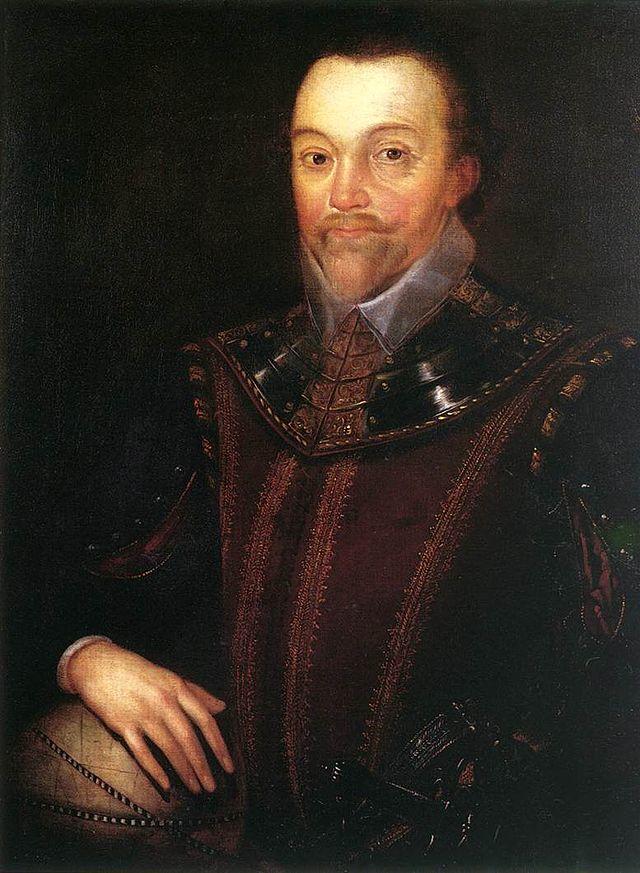
The British Empire’s journey into becoming a global power would begin in 1588, when the English Fleet, under the command of Sir Francis Drake, finally defeated the Spanish Armada. Not only was this a monumental military victory for the English, but it also symbolised the emergence of their country as a formidable navy that was capable of protecting its territory and further expanding its influence across the far reaches of the globe. From here, a new era would begin for the country, one that reached a level of exploration and colonization never before seen in history.
Chartering New Beginnings: The East India Company (1600)
In 1600, the ruling monarch of the time, Queen Elizabeth, granted a royal charter to the East India Company. It was this action that laid the groundwork for the British to get involved in India, which slowly but surely grew into one of the most crucial aspects of the empire. The East India Company did more than just boost trade between Britain and India - it also served as a powerful tool for British imperial ambitions and would go on to contribute to the spread of British dominance in the region.
A New Monarch Spreads His Influence (1603 - 1607)
In 1603, a new monarch would come to sit on the throne - James I. Unlike the Queen before him, James I was not content solely trading with other regions and wanted to establish a permanent English presence across the Atlantic.
Settlements and Acts: Foundations of Empire (1607-1655)
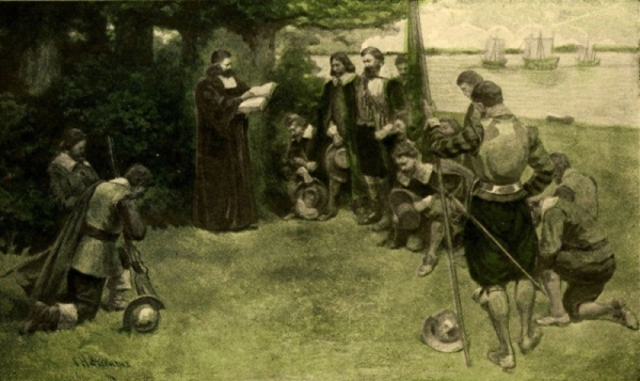
The early 17th century saw the British making significant strides in North America and the Caribbean. The founding of the Jamestown Colony in Virginia in 1607 represented the first permanent English settlement in North America, a crucial foothold that would lead to further colonization efforts. The Navigation Acts, beginning in 1651, established a mercantilist policy that sought to bind the colonies economically to the mother country, laying the foundations of a system that would further fuel the empire's growth.
Expansion and Enslavement (1655-1664)
In 1655, Oliver Cromwell was successful in his attempt to capture Jamaica from Spain, showing Britain's intent to dominate the Caribbean region. This move proved a pivotal one, as Jamaica would eventually become a key component of the British Empire in the Caribbean, being used as a central hub for the sugar trade. Sadly, while the British were reaping the rewards of this lucrative trade, African men and women who had been enslaved were forced to work tirelessly on the island's countless sugar plantations.
New Settlements and Colonies (1661 - 1670)
From 1661 to 1670, new settlements and colonies would begin to spring up over Africa, America, Canada, and the Caribbean. In 1661, James Island would become the British Empire’s first settlement on the African continent and would play a major role in the transport of slaves for years to come. Alongside this, by the time 1670 had rolled around, the British Empire had succeeded in setting up multiple colonies in several key locations - such as Hudson's Bay in Canada, which was crucial for the fur trade, and a variety of islands vital for the sugar industry in the Caribbean.
The Age of Plassey: Dominance in India (1757)
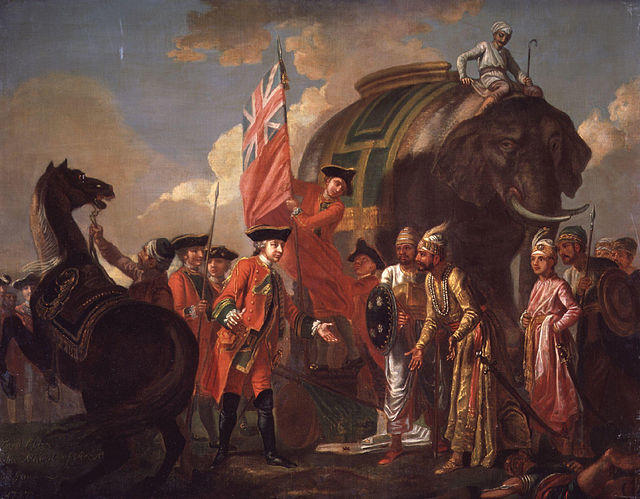
The Battle of Plassey in 1757, where Robert Clive's forces defeated the Nawab of Bengal, was a turning point that significantly expanded British control over India. This win not only strengthened British influence there but also started a period of major land grabs by the British, setting the stage for the British Raj to begin.
The American Revolution and Its Aftermath (1775-1783)
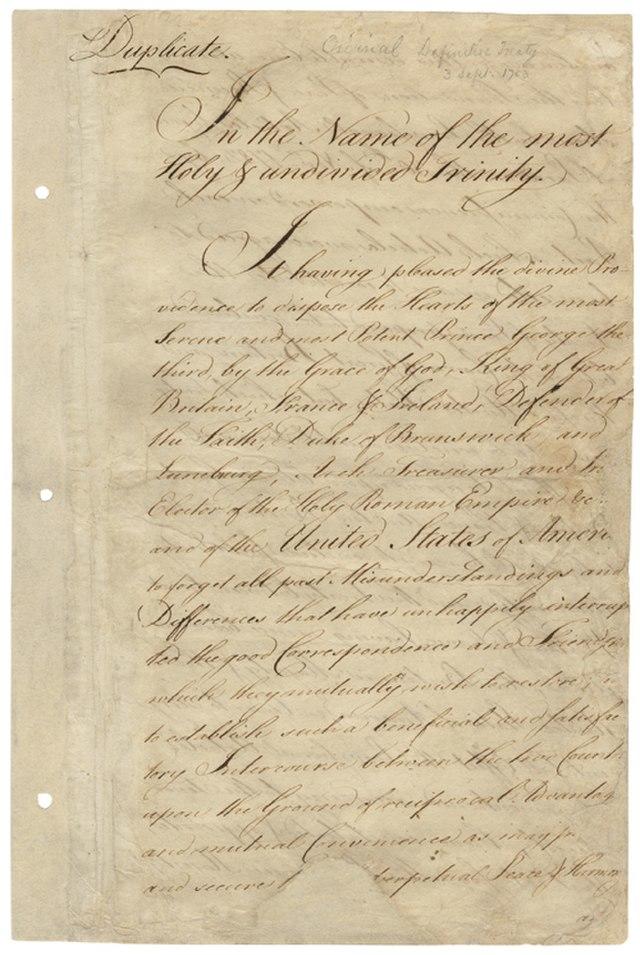
The American Revolution was one of the most significant events in the British Empire's long history, leading to the loss of 13 of its American colonies. The war would begin due to the colonists' frustration with taxes imposed by Britain without their consent and their growing desire for independence. Eventually, it would come to an end with the Treaty of Paris in 1783, with Britain officially recognising the independence of the United States.
Abolition of the Slave Trade and Slavery (1807-1833)
Thankfully, the dark era of the slave trade would eventually come to an end when it was abolished in 1807, with slavery eventually coming to an end in all British dominions by 1833. The British Empire was ever so slowly changing, with more and more people considering the importance of human rights and freedom.
The Scramble for Africa and the Indian Mutiny (1857-1885)
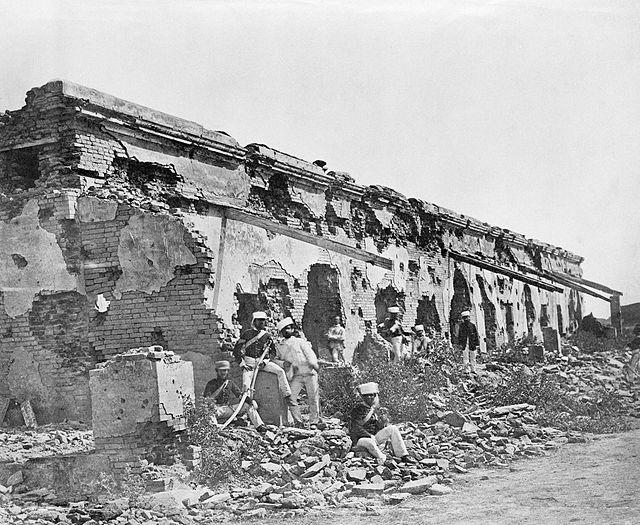
This period in history saw many European powers, including Britain, all racing to claim as many parts of Africa as they could - with the Empire eventually emerging as the dominant colonial power in the region due to the Berlin conference. Alongside this, the Indian Mutiny of 1857-1859 would push the East India Company’s ruling power to its limit. This event resulted in the British Government officially taking direct control over India, beginning the era that would come to be known as the British Raj.
The Second Boer War (1899-1902)
The turn of the century brought the British Empire face to face with the Boers in a gritty showdown over South Africa's gold-laden lands. Lasting from 1899 to 1902, this conflict would show the extent of Britain's imperial ambitions, with the nation willing to go to great lengths to secure its treasures. The war, infamous for guerrilla tactics and the grim introduction of concentration camps, ended in British victory but left a bitter taste in the mouths of many critical of the empire's imperial values.
World Wars and Decolonization (1914-1947)
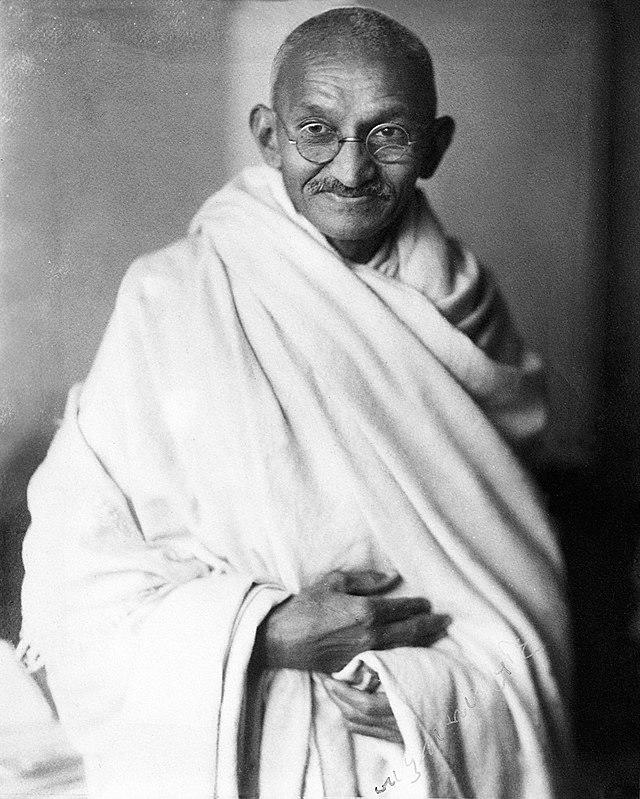
Both World Wars would have a devastating effect on the British Empire. With its resources stretched thin, more and more of its colonies across the world would begin to voice their desire for self-governance and rule. Soon after World War 2, India would finally gain their independence after a successful and wide-reaching political campaign by Mahatma Gandhi. Slowly but surely, the reign of the British Empire was beginning to end.
The Suez Crisis and the End of Empire (1956-1997)
The Suez crisis in 1956 would only further show the world that Britain's power on the world stage was fading. During the Suez Crisis, Britain and France attempted to take control of the Suez Canal, ultimately failing due to the harsh opposition from both the United States and the Soviet Union. This failure essentially demonstrated that Britain needed support from other countries, especially the United States if it wanted to remain powerful. Following this, Britain saw many of its territories in Africa, Asia, and the Caribbean become independent. The process ended with Hong Kong returning to China in 1997, effectively closing the chapter on the British Empire once and for all.
Summarise with AI:
Did you like this article? Rate it!

 Loading...