Want to learn more about the fascinating history of the British Empire? In this article, part one of a series following the highs and lows of the British Empire, we’ll take an in-depth journey into the nation's imperialistic ambitions and how they developed as the years went by.
In the era between 1857 and 1890, the nation would go on to take large swathes of territory in regions such as Africa, all while important changes in its imperial and colonial policies were happening back at home. But what was the reason for the British Empire's fixation and beliefs about imperialism? Keep reading below if you want to find out the answer to this question and more.





Why Did Britain Target Africa and the Suez Canal for Expansion?
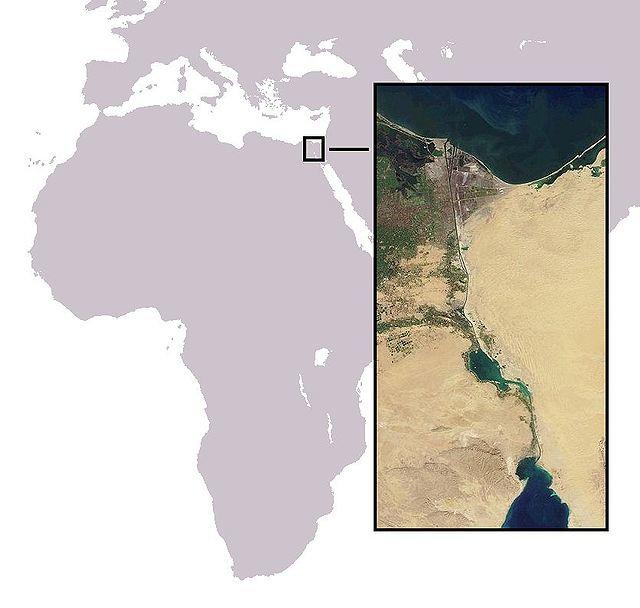
So why did the British Empire decide to push into Africa? Well, this choice was made due to a combination of many different strategic, economic and political factors. However, the most important factor in this decision was the discovery of the Suez Canal in 1869.
By gaining control of the canal, the British could make the trip to India, an important part of its empire, in a significantly shorter time than before. This was highly desirable to the nation as it meant they could travel and transport valuable goods and troops to and fro from India, while also maintaining their global naval dominance and protecting trade routes in the east.
All in all, the British Empire was not only focused on acquiring territory in Africa but also on securing key trade routes and any valuable resources they could get their hands on. Over time, the British Empire's focus on the canal would slowly culminate in them effectively taking control of Egypt.
How Did Imperial Policy Change During the Scramble for Africa?
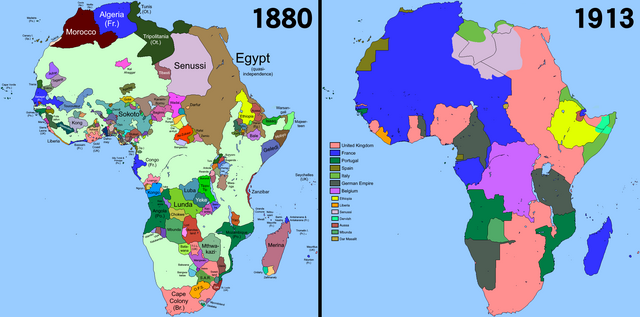
During the late 19th century, an event called the “Scramble for Africa” would begin to stir into motion. Noticing how control of the African continent could benefit them, many nations in Europe began to directly compete for control over the region. As a result, this period saw the British Empire, alongside its European counterparts, engaging in a fierce competition to expand their territorial holdings.
Eventually, these disagreements would result in the Berlin Conference of 1884 to 1885 taking place. Here, representatives from the major European nations came together to discuss a potential solution for the increasing tensions and conflicts caused by the overlapping territorial claims.
How Did Trade and Chartered Companies Impact the Empire?
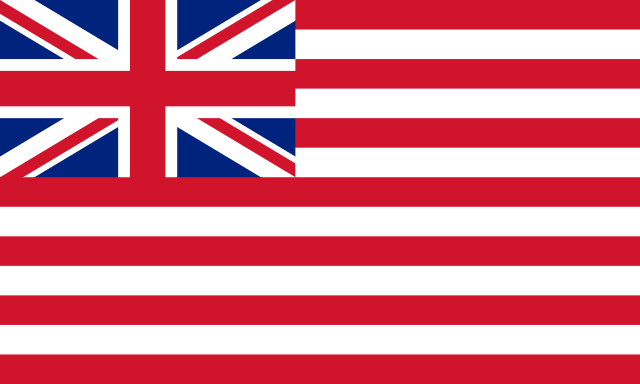
Trade and commerce were essentially the heartbeat of the British Empire, with chartered companies at the core of its growth. Two of the most famous examples were the British East India Company and the Royal Niger Company. These organizations played a key role in spreading British influence across India and Africa. But how did they go about doing this?
Basically, the British government handed them charters, giving them the freedom to trade, negotiate, and sometimes even rule over territories. During this time, trade would go on to see a notable uptick, especially in essential goods like cotton, tea, and opium, all of which were crucial for the British economy. Supported by the government, these companies not only expanded business overseas but also led the charge in cementing Britain's influence and presence in uncharted territories.
What Were the Attitudes Towards Imperialism in Britain?
In Britain, attitudes towards imperialism varied a lot. Some people fervently supported the British Empire’s imperialistic ambitions, while others were fervently against it. However, the late 19th century also saw the rise of “jingoism”, a form of extreme imperial patriotism, during times when the British Empire expanded into new territory or won a decisive victory against its enemies.
Despite this, there was also significant criticism against imperial policies too, especially when it came to the moral and economic implications that imperialism raised. What’s more, the creation of the Indian National Congress in 1885 and increasing calls for independence in colonies would further cement how many colonized countries were unhappy under British rule.
How Did Explorers and Missionaries Shape Attitudes Toward the Empire?
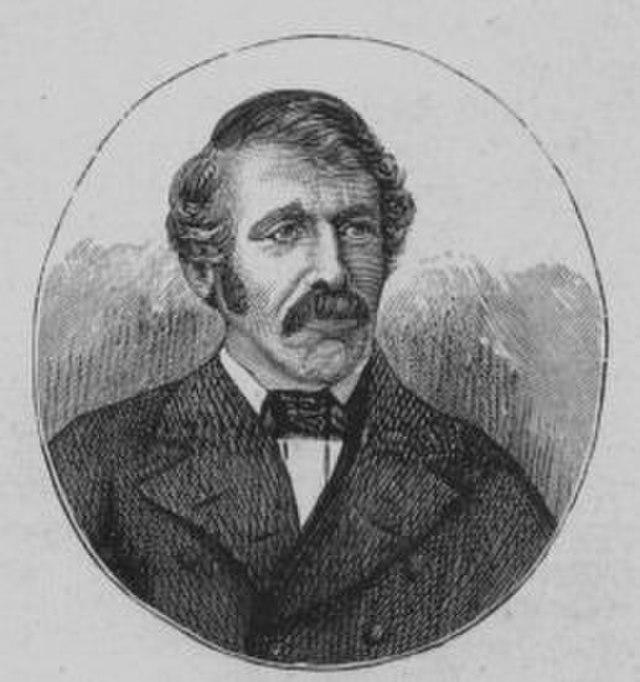
Explorers, missionaries, traders, and colonial administrators played a massive part in shaping British and global attitudes towards the empire. For example, many famous explorers like David Livingstone and Henry Morton Stanley ignited the public's imagination with exciting tales of their adventures exploring unknown and dangerous areas in Africa.
Similarly, missionaries, fervent in their belief in god, preached that Christian teachings needed to be brought to the indigenous people they encountered. This painted the picture to the general public that societies living in less developed regions of the world, like Africa, were “backwards” and uncivilized. Alongside this, traders and colonial administrators further influenced the public's attitude toward the empire by demonstrating how imperialism would benefit the economy by bringing wealth from trade in items like tea, spices, gold, and rubber. As a result, many people believed that British rule would be positive for other nations - bringing civilization, prosperity, and Christianity to their shores.
How Did Indigenous Relations and the Indian Mutiny Affect the Empire?
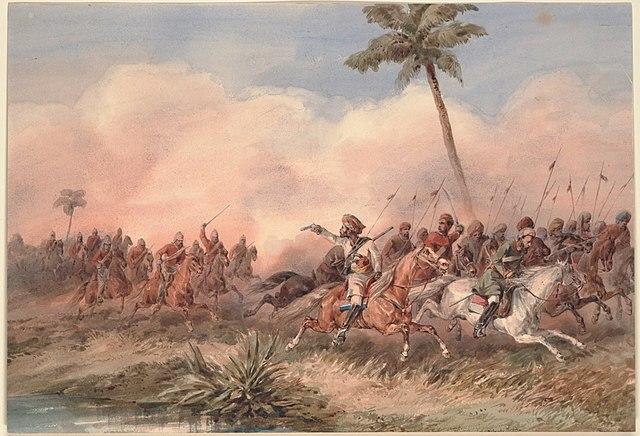
The relationship between the British Empire and indigenous peoples was tumultuous, involving both cooperation and conflict. For example, the Indian Mutiny of 1857 significantly changed British rule in India, highlighting the risks of ignoring local customs and leading to policy changes to gain support from Indian leaders. In southern Africa, the British engaged in both conflicts and negotiations with the Boers and Bantu peoples, as seen in the Anglo-Zulu and Anglo-Boer Wars. These interactions prompted the British to adjust their colonial strategies, ultimately influencing the political and social structures of the colonies and heavily shaping the future of British imperial rule in the process.
Conclusion
The British Empire's expansion into imperialism was shaped by strategic ambitions, such as controlling the Suez Canal, and economic motives, evident in the Scramble for Africa. Chartered companies were the empire's muscle, expanding British reach and influence while back home, many people had mixed feelings about the empire's imperial ambitions.
Explorers and missionaries justified expansion by promising to civilize 'foreign' lands, despite the tense relations with indigenous peoples. All in all, this mixture of ambition, commerce, and ideology resulted in the British Empire shaping a legacy that is still spoken about today.
Summarise with AI:
Did you like this article? Rate it!

 Loading...