In 1943, allied forces would undergo one of the most daring operations in the history of the Second World War - D-day. During this time, allied forces would embark on an invasion of Normandy France, in a bid to free France and the rest of Europe from the clutches of an increasingly brutal Nazi regime.
Thankfully, this bold move marked a significant turning point in the war, setting the stage for the eventual defeat of Nazi Germany. Below, we’ll go deeper into detail about the events of D-Day, including how it was planned, the challenges of the operation, and the sequence of events that led to its successful conclusion. So if you’re interested in learning more about WW2, why not join us on a fascinating journey through this important period in history.





Why Was D-Day?
By 1944, World War 2 had reached a critical point. The Soviet Union, facing increasing pressure on the Eastern Front, urgently requested relief from the ongoing battles. Alongside this, the Allies also wanted to weaken Germany’s ever-increasing stranglehold over occupied Europe.
For this reason, the Invasion of Normandy (D-day) was seen as the best course of action for liberating France which had recently fallen to the Nazis, while also providing a direct route towards Germany. By doing this, the Allies hoped they would shift the overall momentum of war in their favour, and finally bring hope to an increasingly war-torn Europe.
For many, it represented a united front against tyranny and a decisive action to break the ongoing stalemate between the two sides. Lastly, the invasion would also allow the Allies to disrupt the German force's supply lines, which could play a significant part in speeding up the end of the war, thus saving the lives of countless troops and civilians in the process.
What Was the Plan for D Day?
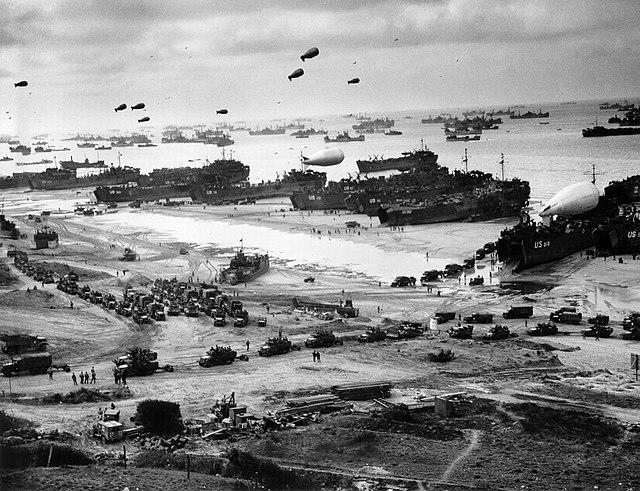
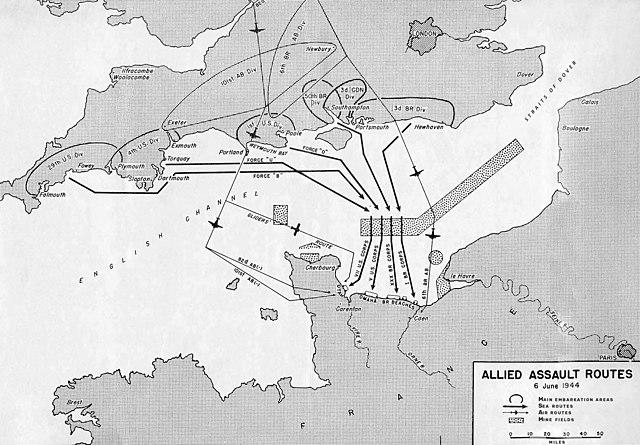
Operation Overlord, the code name for the D-day Invasion, was a massive undertaking in terms of its scale and complexity. Beginning in 1943, the Allies would meticulously prepare for the events of the day while outlining various deception strategies, including Operation Bodyguard, which were designed to mislead the Germans on the actual location of the invasion. Put simply, the plan involved landing troops on five key beaches - Utah, Omaha, Gold, Juno, and Sword, which were located on the Normandy coast in France.
From here, paratroopers would also play an important role - landing behind enemy lines to capture key positions. Meanwhile, in the sky and sea, naval and air support would be tasked with providing backup so the landings could go ahead successfully. All in all, the operation required an unprecedented amount of coordination between nations and armed forces and was one of the most complex military operations in history. However, if the plan was to work, it would hinge on surprise, coordination, and the bravery of the soldiers who were willing to put their lives on the line.
Who Were the Key Figures in D-Day?
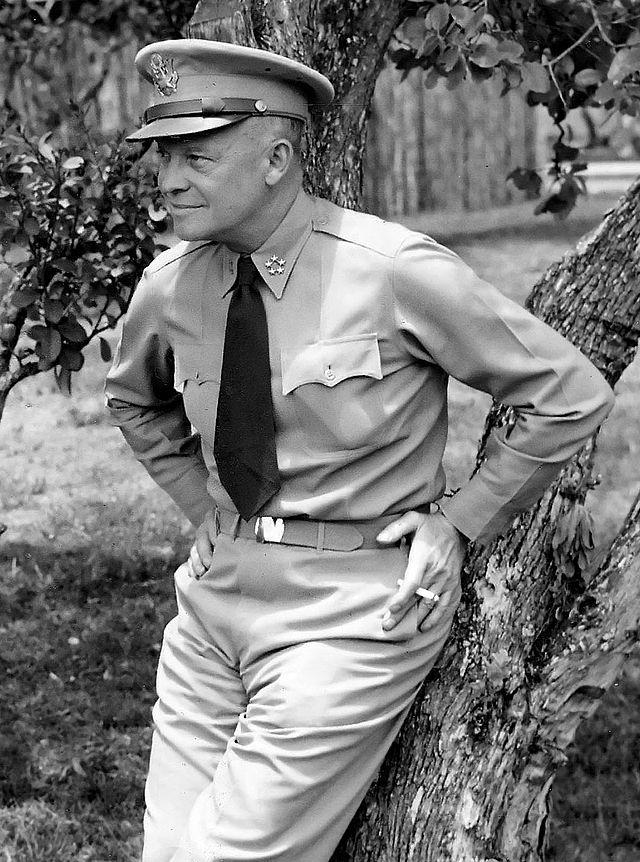
Several key figures played a vital role in orchestrating the events of D-day. Without them, the plan may have never succeeded. But who were these men? Firstly, there was General Dwight D. Eisenhower, the Allied Supreme Commander, whose leadership and decision-making skills were vitally important. He was directly responsible for making the call to proceed with the invasion despite uncertain weather conditions.
Alongside the Supreme General were other notable leaders such as Field Marshal Bernard Montgomery, who commanded the ground forces during the invasion, and Admiral Betram Ramsay who dealt with the naval side of the operation, transporting troops to the beaches, all while providing bombardment support.
On the other side, the Germans had Field Marshal Erwin Rommel, who was charged with defending the French coast at all costs. He would play a big role in ratifying the Atlantic wall, a series of bunkers, barriers and natural obstacles stretching along not only the coast of France but also much of Europe.
What Happened During D-Day?
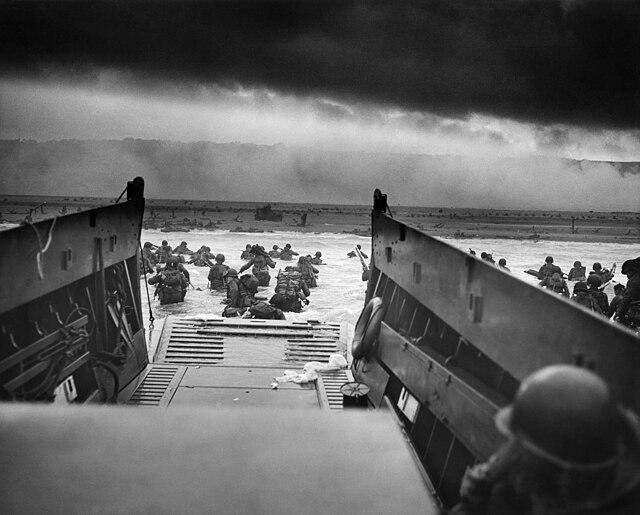
Officially the invasion would begin during the early hours of June 6th, with airborne paratroopers landing behind enemy lines in a bid to secure bridges and roads. By doing this, the Allied forces could disrupt German communications and control key routes necessary for reinforcements and resupplies. As the sun began to peek over the horizon, the naval bombardment began with the aim of weakening defences along the coast for the incoming troops.
However, the actual landings, spread across the five beaches mentioned previously, were anything but easy - each had its own unique and terrifying challenges. For example, at Omaha Beach, American forces struggled against intense German resistance from well-fortified positions, leading to a desperate fight for survival and advancement and the loss of many brave men.
Meanwhile, at Gold, Juno, and Sword beaches, British and Canadian forces would prove more successful. On Juno beach, the Canadians would manage to overcome strong defences and push deep into enemy territory. Meanwhile, British troops at Gold and Sword would also make good strides - capturing critical objectives, all while facing fierce and brutal combat.
How Did D-Day End?
By the end of June 6, the Allies had done what was thought impossible and established a fragile yet crucial foothold in Normandy. Although they hadn’t managed to succeed in all their objectives, and thousands of lives had been lost in the process, the invasion was a resounding success. From here, the Allied forces would slowly but surely expand their control, culminating in the liberation of Paris and the eventual fall of Nazi Germany.
However, in the days following D-Day, the Allies would first go to work on linking the separate beachheads. And by June 12, all five beaches were connected, resulting in a solid front that stretched over 80 kilometers. The reason for this? Essentially, it allowed for a steady flow of reinforcements and supplies, which would be vital if future engagements with the enemy were to succeed.
Conclusion
D-Day, a pivotal chapter in World War II, marked a significant shift in the Allies' favour. This meticulously planned operation, involving a massive coordinated effort across multiple nations, successfully breached Nazi defences in Normandy. What’s more, not only did it symbolize a united stand against fascism and all its values but it also set in motion the liberation of Europe as a whole and the eventual downfall of Nazi Germany. From here, the events of D-Day and its aftermath would go on to play a crucial role in shaping global events, leading to the end of the war and redefining international relations in the years to follow.
Summarise with AI:
Did you like this article? Rate it!

 Loading...