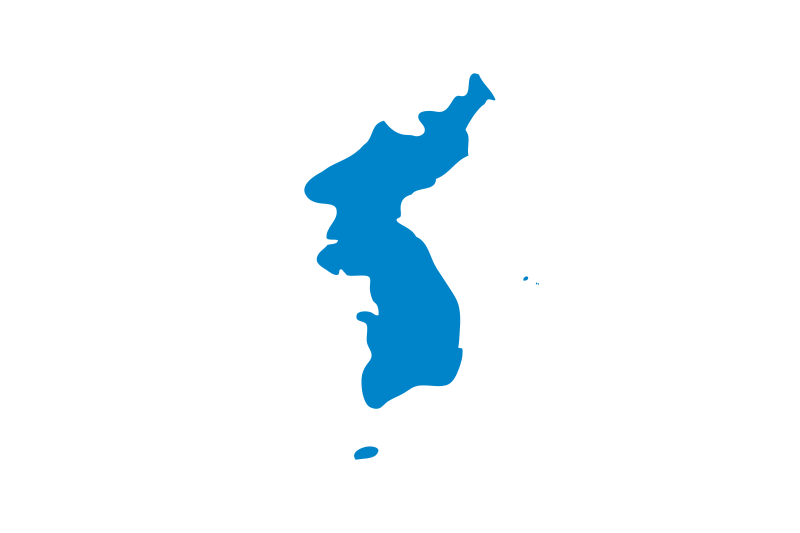
Leading up to the Korean War, a critical event laid the groundwork for the conflict - Korea's division into North and South. Historically, Korea was unified, but the aftermath of World War II dramatically altered its course forever. From here, the Korean Peninsula would become a crucial point in the Cold War rivalry between the Soviet Union and the United States.
These global powers divided the country, establishing distinct governments in each region - the North adopted communism with Soviet support, while the South embraced Western ideologies. This division would go on to contribute to increasing tensions and hostilities, eventually leading to the Korean War. In the sections below, we'll take a closer look at how the Korean War developed and its impact on the wider story of the Cold War.





How Did the Korean War Begin?
In June 1950, the Korean War would officially begin. Supported by the Soviet Union, North Korea would cross directly into South Korea, kickstarting the conflict. The reason for this was due to North Korea's desire to unify the peninsula under its regime, a goal heavily related to its alignment with the Soviet Union's communist beliefs.
From here, the United Nations, which was led by the United States, would spring into action, mobilizing their military forces to push back against North Korea. This action was about more than just responding to an invasion - it was a key moment in Cold War history. Why? Well, the U.N.'s response showed how regional conflicts during this era were related to the ongoing global power struggle between the East and the West.
What Battles Took Place During the Korean War?
The Korean War involved a series of important battles, each of which would influence the war's direction. Initially, North Korea took South Korea and the United Nations by surprise with a swift invasion, capturing several strategic locations in no time at all. However, the tide began to turn with the Battle of Inchon - In this engagement, General Douglas MacArthur's troops launched a surprise amphibious attack. In the end, this risky move proved successful in shifting the momentum towards the U.N. forces.
Despite this victory, the war eventually stalemated, with neither side gaining a decisive win over the other. From here, this stalemate would result in a truce and eventually culminated in a ceasefire in 1953. However, neither side ever actually signed a formal peace treaty. Essentially, this technically means that North and South Korea are still officially at war - although there has been no active fighting for many, many years.
Military Innovations and Strategies
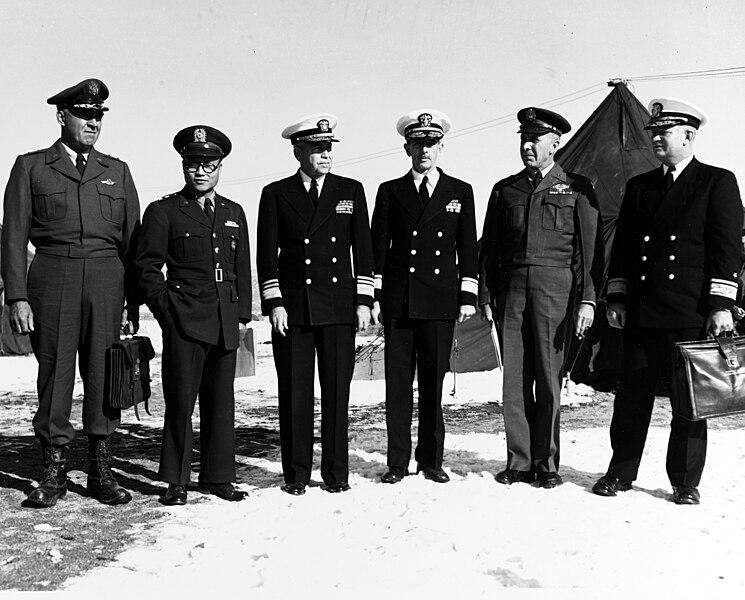
The Korean War was also notable for its significant military innovations and strategies. As mentioned above, one of the key strategies used by the Americans was the amphibious landings, which involved launching surprise attacks from the sea. This tactic was effectively used to alter the balance of power at crucial moments in the war. Additionally, the Korean War also saw the first extensive use of jet-powered aircraft in combat as well.
This advancement in aviation technology eventually led to new forms of aerial combat and tactics. These developments in both strategy and technology during the Korean War marked an evolution in modern warfare and set precedents for military tactics and technologies used in later Cold War conflicts.
Why Was Propaganda Important During the Vietnam War?
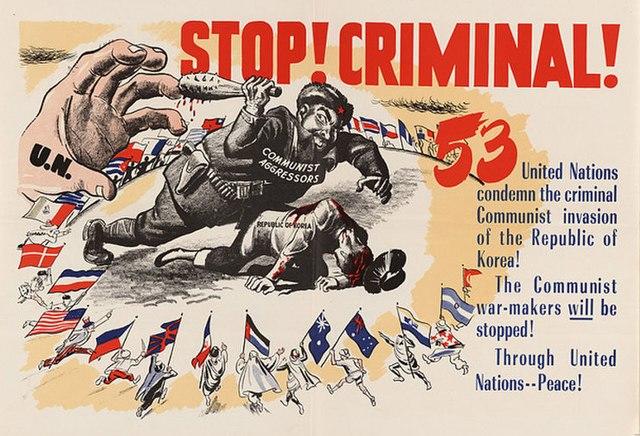
During the Korean War, the battle wasn't just fought with guns and soldiers - it was also a war of words and images. For example, both sides used propaganda to shape public opinion and justify their actions in the war. For example, in the West, the Korean War was framed as a necessary or even noble stand against the dangerous spread of communism - a belief that had taken hold in the mind of many people, especially in America.
However, the Eastern Bloc used their propaganda to create a vastly different image. They achieved this by portraying the war as an important pushback against Western imperialism. All in all, both sides would use media to spread their own take on the war, with newspapers, radio broadcasts and eventually television broadcasts all being used to reach as wide an audience as possible.
How Was Life in Korea Impacted by the War?
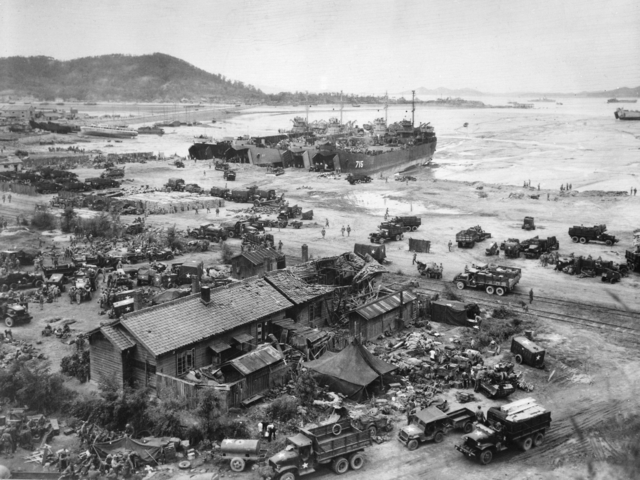
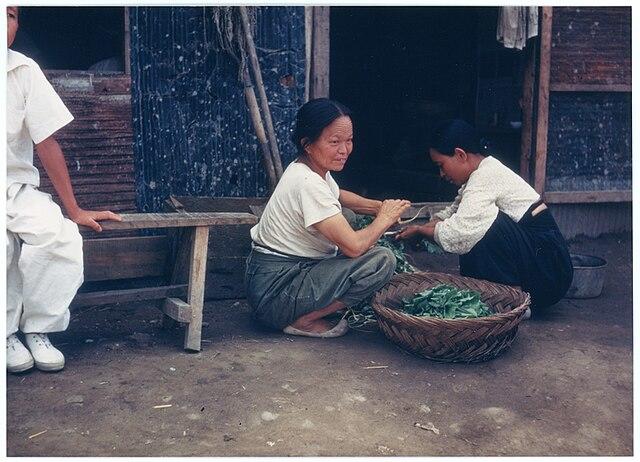
Sadly, the Korean War left a massive mark on Korean society. In the South, cities lay in ruins, and the economy was also shattered. In the North, the devastation was even worse, with widespread destruction of infrastructure. Alongside this, the human cost of the war was very high too - millions of Koreans were either killed, wounded, or displaced. This tragedy shaped the social and economic development of both North and South Korea in dramatically different ways. For example, the war accelerated the South's transition to a modern economy, while the North turned more insular and militaristic, which remains to this day.
What Countries Played Were Involved in the Korean War?
The Korean War stretched far beyond just a mere regional skirmish - it was a complex mix of various global alliances and interventions. For example, when North Korea made its move to the South, it wasn't alone - the Soviet Union was behind it. Likewise, the United States spearheaded the United Nations' counter effort, with countries like the UK, Canada, and Australia also pitching in too.
From here, China would step in to support North Korea, turning the war into a larger symbol of the Cold War's East-West rivalry. This involvement of countries from around the world made the Korean Peninsula a stage where superpowers clashed, leaving a lasting imprint on Cold War politics and reshaping international relationships for years to come.
Conclusion
The Korean War, a critical chapter in Cold War history, began with Korea's division after World War II, escalating into a major conflict as North Korea, supported by the Soviet Union, invaded the South. This sparked a broad response led by the United States and the UN, highlighting the intense East-West power struggle of the era.
The war saw significant military innovations, including amphibious landings and jet-powered aircraft, and was also marked by intense propaganda from both sides. It had a devastating impact on Korea, with the South's economy and infrastructure heavily damaged and the North becoming more isolated. Internationally, the war influenced alliances, drawing in nations like China and setting the stage for future Cold War dynamics.
Summarise with AI:
Did you like this article? Rate it!

 Loading...