In this article, we will discuss what are infectious diseases and what kind of pathogens cause these diseases. We will specifically discuss the four types of infectious diseases tuberculosis, HIV, cholera, and malaria in detail.


Introduction
We know that a disease refers to an illness or disorder of the mind or body that results in poor health. There are certain signs and symptoms associated with each disease.
In the next section of the article, we will discuss what are infection and infectious diseases.
What is an Infection?
We get an infection when a living organism enters our body. An infectious disease refers to a disease caused by the entry of a living organism into our body. Living organisms such as bacteria, fungi, parasites, or viruses are held responsible for causing infectious diseases. These organisms which are the cause of infectious diseases in the human body are referred to as pathogens.
Pathogens that cause infectious diseases contain some pathogenic factors that are responsible for causing disease processes as they enter the body of a person. The organism’s virulence is dependent on these disease-causing pathogenic factors. The infectious agents also have the capability to spread from one organism to another. Hence, a person can get an infectious disease from another person. Vaccines are available for some infectious diseases.
In the next section of the article, we will discuss what are the differences between infectious and non-infectious diseases.
Infectious vs Non-infectious Diseases
There are two types of diseases:
- Infectious diseases: The organisms known as pathogens are responsible for causing these diseases. Since these diseases are passed from infected to infected people, therefore they are sometimes also referred to as communicable diseases. Some infectious diseases can also transfer from animals to humans. Examples of infectious diseases include malaria, cholera, tuberculosis, and HIV/AIDS.
- Non-infectious diseases: They are long-term, degenerative diseases that are not caused due to pathogens. Examples of non-infected diseases include lung cancer, sickle cell anemia, and cystic fibrosis.
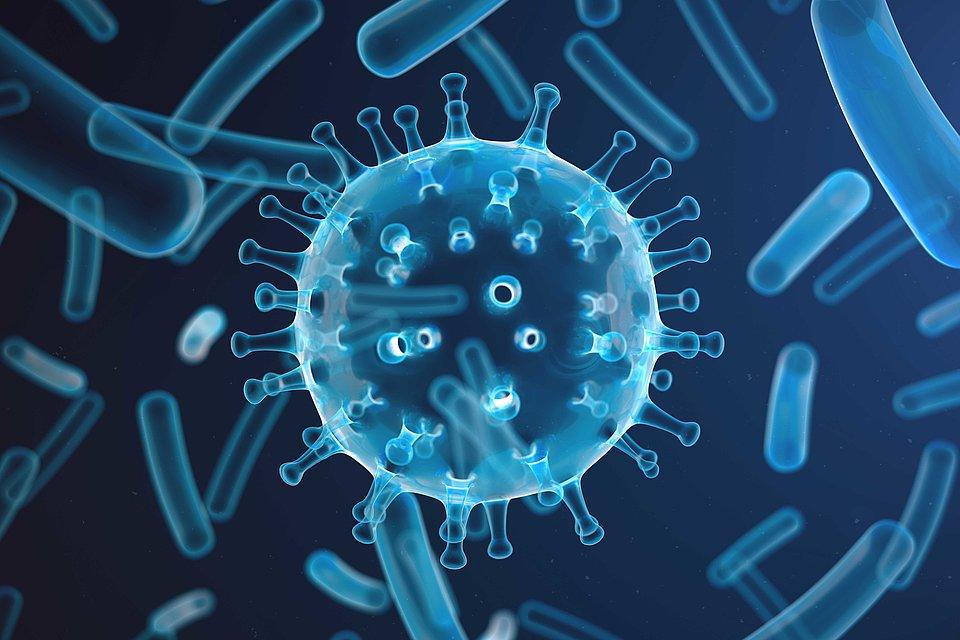
Examples of Pathogenic Organisms
A pathogen refers to an organism that causes infectious diseases that spreads from one person to another. Non-infectious diseases like diabetes and lung cancer are not caused by pathogens, rather they are attributed to lifestyle factors and genetics. Examples of pathogens include:
- Virus: The examples of diseases caused by viruses include coronavirus, HIV, and influenza
- Bacteria: The example includes tuberculosis which is caused by Mycobacterium tuberculosis
- Protoctist: The example includes malaria which is caused by plasmodium
- Fungi: The example includes Athlete’s foot which is caused by Trichophyton
In the next section of the article, we will discuss some common infectious diseases like tuberculosis, HIV, malaria, and cholera in detail.
Tuberculosis
Tuberculosis is a systematic infectious disease that is caused by the bacteria Mycobacterium tuberculosis and Mycobacterium Bovis. A huge number of annual deaths are attributed to this organism. It is estimated that approximately one-third of the human population is infected with this type of bacteria.
Now, let us see discuss the signs and symptoms of this disease.
Signs and symptoms
Multiple organs can get affected due to this disease. The most common general symptoms include fatigue, fever, night sweats, and weight loss. In pulmonary tuberculosis, cough and hemoptysis are observed. In such patients, pleural effusion may also be observed. There can be cavities in the lungs that can be observed in chest X-rays.
HIV
HIV (Human immunodeficiency virus) causes a viral infection known as AIDS (Acquires immunodeficiency syndrome). In this syndrome, the immune system of a person becomes heavily compromised. A compromised immune system results in malignancy and opportunistic infections.
Now, let us discuss the signs and symptoms of HIV.
Signs and Symptoms
In 80% of the cases, the patient infected with HIV is symptomatic. The symptoms start appearing after 2 to 4 weeks of primary HIV infection. The patient has a rash, fever, myalgias, mucosal ulcerations, pharyngitis, lymphadenopathy, headache, and meningitis. The patient may have other complications of the immune system. Other complications of the immune system may also be observed in the patient.
Malaria
Malaria is caused by four different species of Plasmodium parasites. They include Plasmodium vivax, Plasmodium malariae, Plasmodium ovale, and Plasmodium falciparum. Few species cause more severe symptoms as compared to others.
Signs and Symptoms
Generally, the patients who are bitten by mosquitoes carrying malaria show no symptoms until 10 to 28 days after infection. As a first clinical sign, the patient may show a combination of fever, chills, headache, nausea, vomiting, diarrhoea, muscle ache, and abdominal cramps. There may be periodic attacks of fever and chills that last 4 to 10 hours. These attacks involve the first stage of shaking and chills followed by the stage of fever and extreme headache. In the last stage, profuse sweating occurs during which the temperature of the body falls back to normal. The temperature may be normal or below normal in between the attacks.
Cholera
Cholera refers to an acute infection of the small intestine which is attributed to a bacterium Vibrio cholerae. The signs and symptoms of cholera are discussed below.
Signs and Symptoms
In cholera, the patient experiences extreme diarrhea with quick and severe depletion of salts and body fluids.
We will summarize the article in the next section.
Summary of the Article
Infectious diseases are caused by organisms that are referred to as pathogens. Infectious diseases can be transferred from one person to another or from an animal to another person. Due to this reason, infectious diseases are also referred to as communicable diseases. Examples of infectious diseases include tuberculosis, cholera, malaria, and HIV/AIDS. A huge number of people are affected by these diseases worldwide and to control these diseases, it is critical to know the cause (type of pathogen) of these diseases.
- Cholera: It is caused by a bacterium called Vibrio cholerae.
- Malaria: Four species of plasmodium cause this disease. These species include Plasmodium vivax, Plasmodium malariae, Plasmodium ovale, and Plasmodium falciparum.
- Tuberculosis: Two species of bacteria cause this disease. They include Mycobacterium tuberculosis and Mycobacterium Bovis.
- HIV/AIDS: This infectious disease is caused by a virus known as HIV (Human Immunodeficiency Virus).
Summarise with AI:
Did you like this article? Rate it!

 Loading...