


Linear Function
| x | y |
| 1 | 5 |
| 2 | 9 |
| 3 | 13 |
| 4 | 17 |
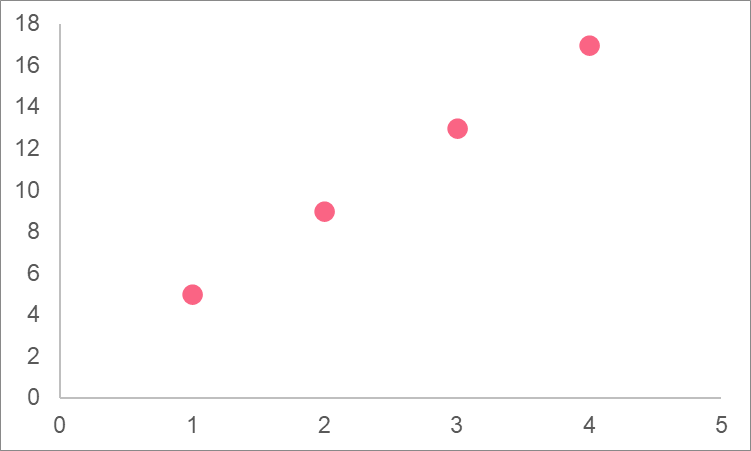
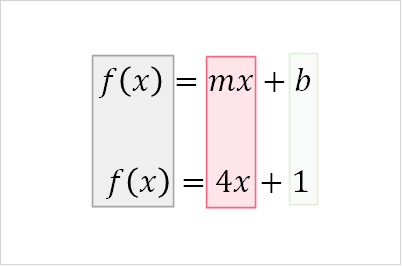
A linear function represents a straight line relationship. As you can see in the graph, this means that the variables x and y have a linear relationship with each other.
Polynomial Function
Polynomial functions are the most common functions you’ll encounter in calculus. In order to understand what a polynomial is, let’s take a look at a monomial.

| A | B | C | D |
| Constant | Constant and x variable | Constant and y variable | Constant and b and a variables |
The monomial is the basic building block of the polynomial. It can be either a constant or a constant with any variables. What happens when there is more than one monomial, like we have in the linear equation? 
| Definition | Explanation | |
| Monomial | Made up of one monomial | Mono = one |
| Binomial | Made up of two monomials | Bi = two |
| Trinomial | Made up of three monomials | Tri = three |
| Polynomial | Made up of monomials | Poly = many |
Here is an example of each type of polynomial:
| Monomial |  |
| Binomial |  |
| Trinomial |  |
| Polynomial |  |
You can call any combination of monomials polynomials.
Absolute Extrema
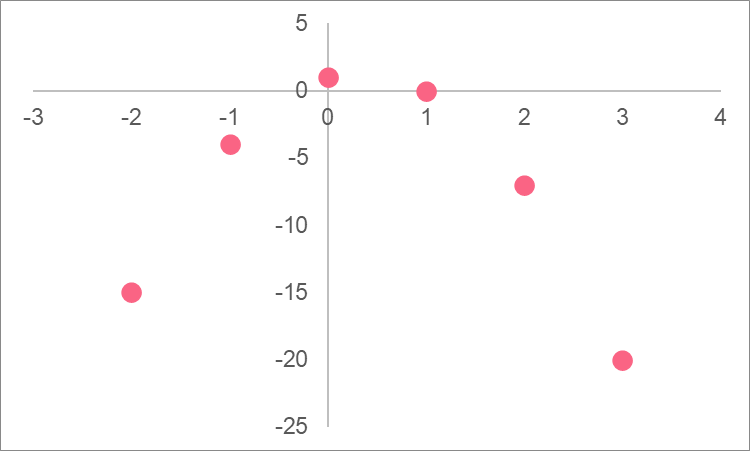
Now that we’ve covered the basics of polynomials, we can take a look at the most important concept in optimization: extrema. In order to understand absolute extrema, let’s take a parabola as an example: 
| Extrema | Minima or maxima | Any low or high point on the graph |
| Absolute Extrema | Minima or maxima | The highest or lowest point on the graph |
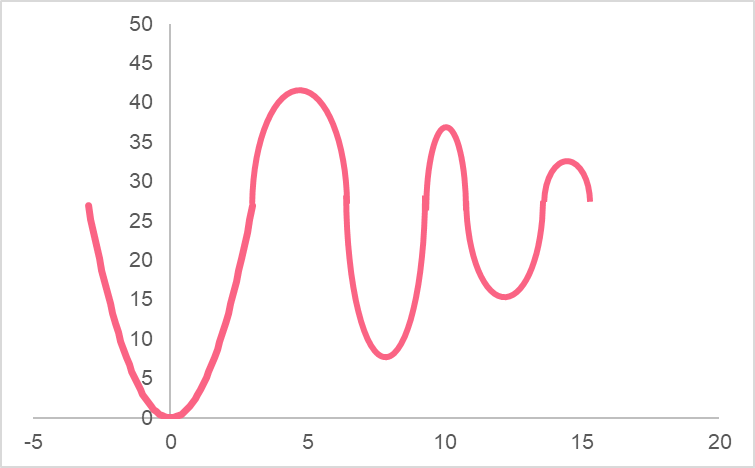
The absolute extrema are defined as the extrema that, within the domain specified, are the highest or lowest. In other words, when we look at a specific range of values for a function, the absolute extrema are the highest or lowest points in that range.
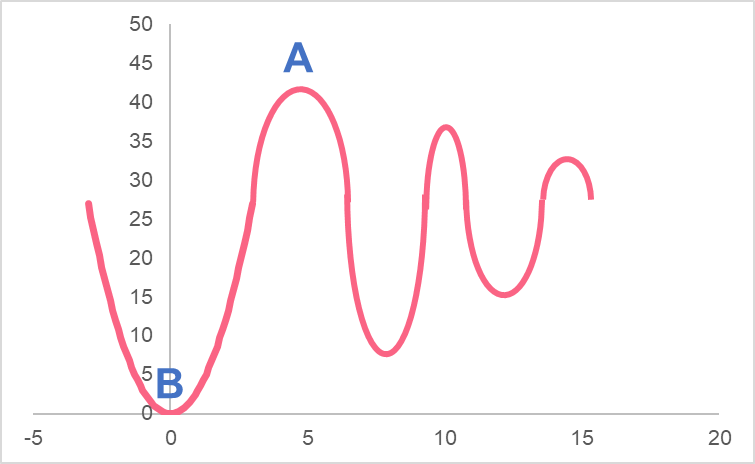
| A | Absolute maximum | The highest point in a range |
| B | Absolute minimum | The lowest point in a range |
Relative Extrema
Relative extrema are different from absolute extrema because they are not the highest or lowest point in the range, but rather every minimum and maximum between those points.
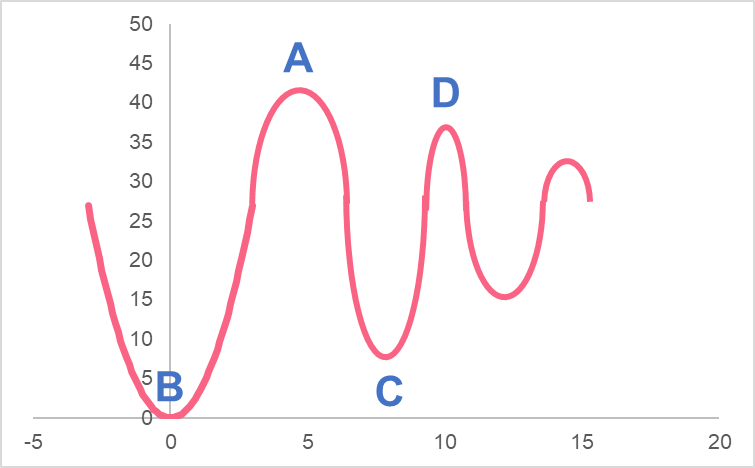
| A | Absolute maximum | The highest point in a range |
| C | Relative minimum | A minimum between the absolute extrema |
| D | Relative maximum | A maximum between the absolute extrema |
| B | Absolute minimum | The lowest point in a range |
Here, we can see that while the two ending points are absolute extrema, the two points in the middle are relative extrema.
Optimization
Optimization in calculus involves finding the absolute extrema within a range. What this means is that we want to perform a first derivative test to find the absolute minimum or maximum. We do this for two reasons.
| Minimize dimension | Absolute minimum |
| Maximize dimension | Absolute maximum |
| Maximize profit | Absolute maximum |
| Minimize cost | Absolute minimum |
First Derivative Test
In order to find the absolute extrema, we first take the first derivative of a function and then solve for x. Take the following as an example.
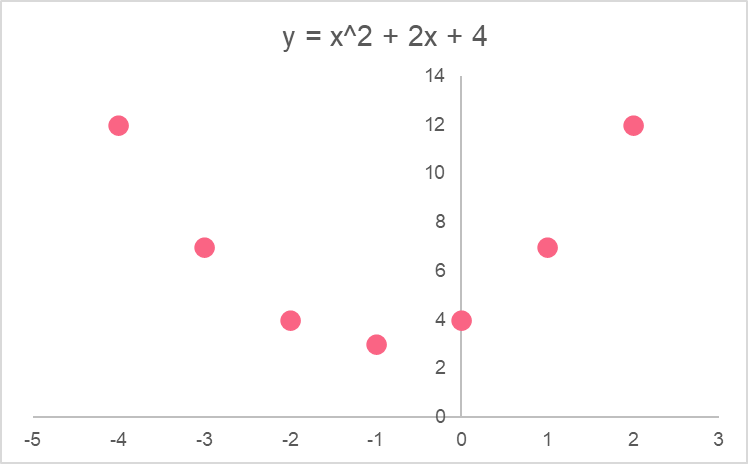
| First derivative |  |
| Rearrange for x | 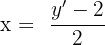 |
| Solve for x |  = -1 |
Calculus Fence Problem
A common optimization problem is the following. A homeowner wants to build a fence with 100 meters of fencing for their backyard. What is the largest area of a rectangular field? 
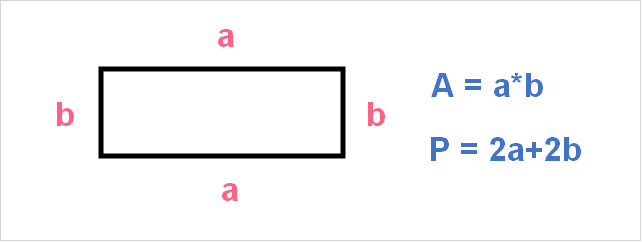
Because we have the total, in other words maximum, length of the fence, we can replace this into the formula. 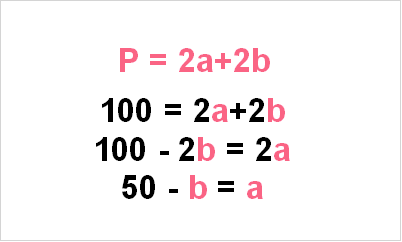


Calculus Volume Problem
Another common problem in optimization deals with cylinders. For example, you have 300 millilitres of juice. You need to find the dimensions of a cylindrical can that would minimize the cost of producing that can. 
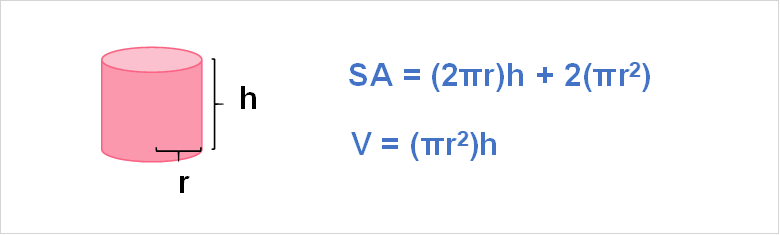


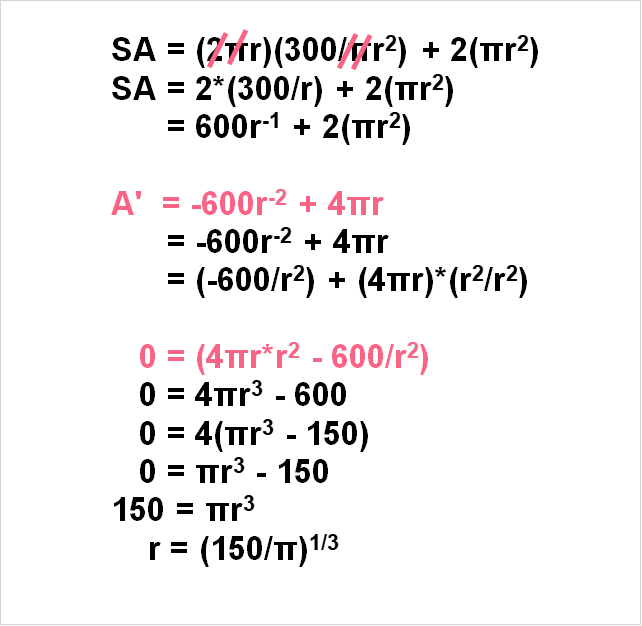

Summarise with AI:
Did you like this article? Rate it!


 Loading...
I get it somehow, there are others who are unfamiliar and I have a hard time with it but it’s okay that I get it.
Thanks for sharing your thoughts! It’s completely normal to find some parts unfamiliar or more difficult than others. The important thing is that you’re making progress and understanding more as you practise. Keep going! 😊
At least I understood some of it, but there are others that I’m confused about and have a hard time understanding, but I get it.
Thanks for sharing! It’s great that you’ve understood some of it already. Don’t worry if a few parts are still confusing — keep practising and take your time with the trickier sections. You’ll get there! 😊
The lesson was a little difficult for me, especially the word problems, but the examples helped me understand it better.
Thanks for your feedback! Word problems can definitely be tricky, so we’re glad the examples helped make the lesson clearer. Keep practising — it gets easier with time! 😊
Thankyouuu po