


Linear Function Definition
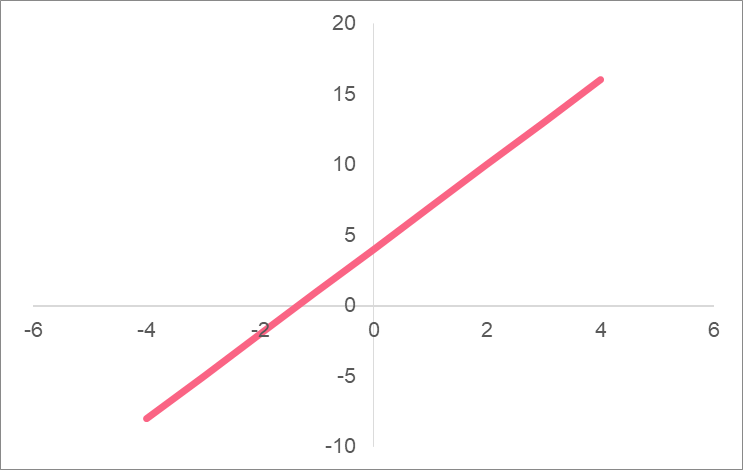
| x | f(x) |
| ... | ... |
| -1 | 1 |
| 0 | 4 |
| 1 | 7 |
| ... | ... |
What you can see in this graph is a linear function. Here is the standard way to write a linear function.

| f(x) | Read as ‘f of x’ and can be thought of as y |
| m | The slope |
| x | The input |
| b | The y-intercept |
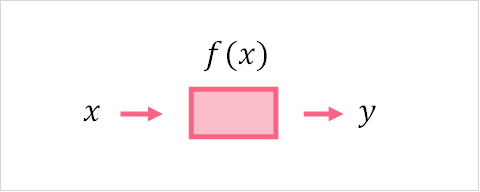
When we use functions, we use f of x, written as f(x), which can be thought of as what we usually call y. The linear function we used above can be written as: 
Radicals
A radical function is any function that includes radicals. In algebra, radicals are also called roots. You may be familiar with how they look like: 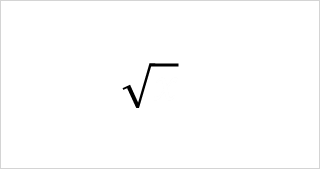
| Name | Example | |
 ,  | Square root, square |  |
 | Cube root, cubic |  |
 | Root |  |

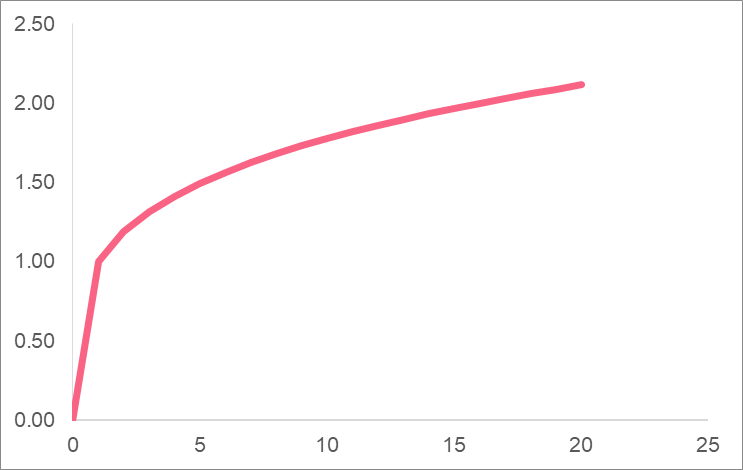
| x | f(x) |
| 0 | 0.0 |
| 1 | 1.0 |
| 2 | 1.4 |
| 3 | 1.7 |
| ... | ... |
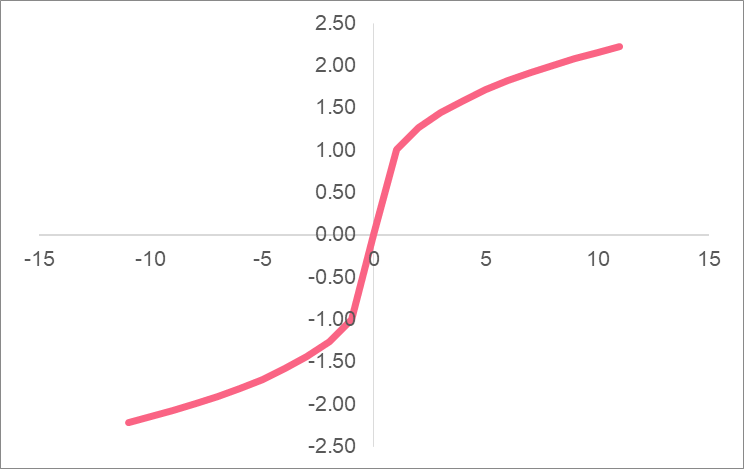
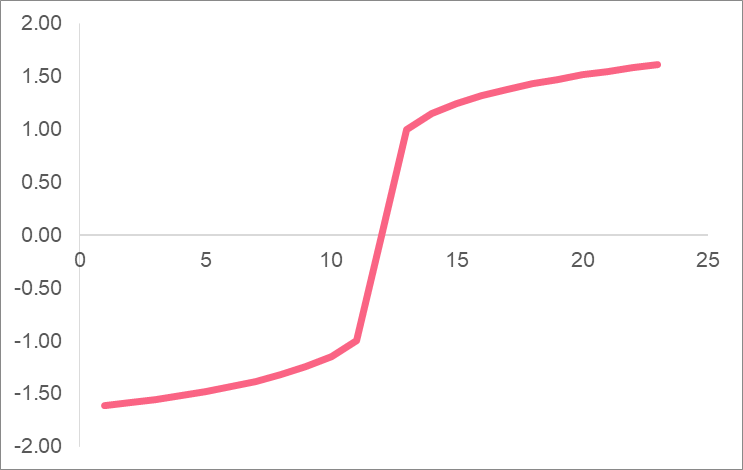
We can keep going, plotting each output up to 21. Next, we can graph the result. 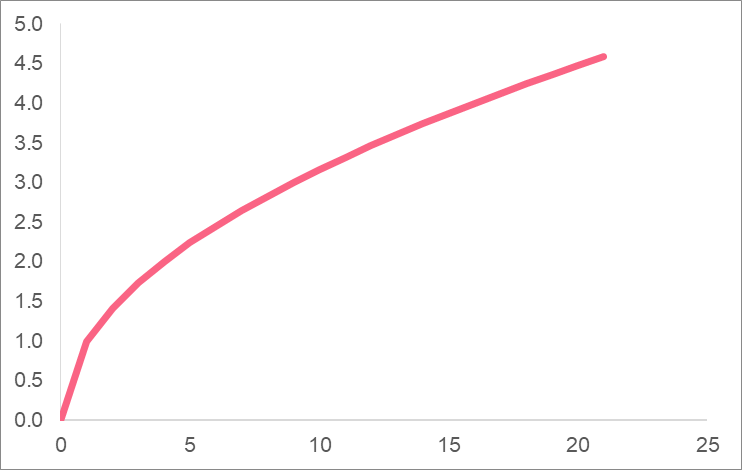
Power Function
A power function is a function that involves a power. A power is also known as taking a number to the nth power. Take a look at the image below to get a better understanding. 
| k | Constant |  |
| x | Variable | x,y,z,etc. |
| n | Power | 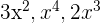 |
- Growth function
- Decay function
These two functions are found in many different disciplines and are usually used to model things with an exponential relationship. An exponential relationship is one modelled by an exponent, also known as a power. Take a look at a simple exponent relationship below. 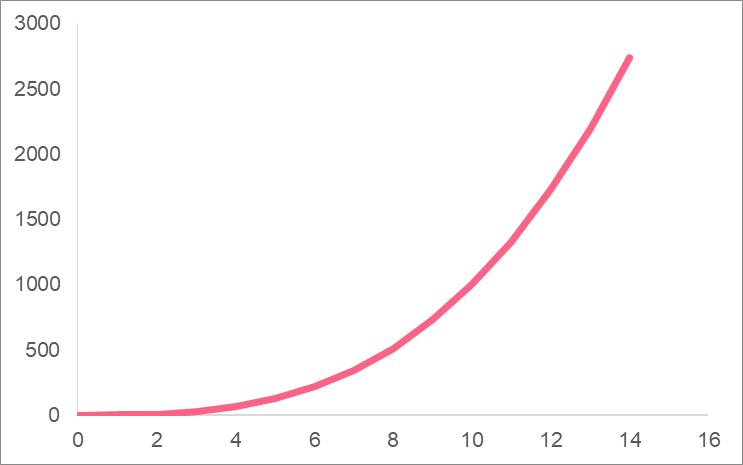
Radical and Power Rules
There are many rules when it comes to radicals and powers. First, let’s focus on radical rules. Take a look at the table below to get an idea of the rules and examples for each rule.
| Rule | Example | |
| 1 |  =  |  =  |
| 2 |  | 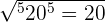 |
| 3 |  |  =  |
| Rule | Example | |
| 1 |  |  |
| 2 | 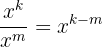 |  |
| 3 |  | 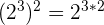 |
| 4 |  |  |
| 5 | 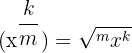 | 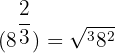 |
Step-by-Step Factoring Radicals
Now that you’ve learned about radicals and how they relate to powers, let’s take a look at an example where we will factor a radical step-by-step. First, we will start with an easier example. The three examples after this one build upon each other. Take a look at the radical below. \[ \sqrt^{3}{(2^{5})*(2^{-2})} \] While this may look complex at first, we can start by focusing on what is inside of the fraction. The first step in simplifying this radical is to recall that negative exponents mean we have to take the inverse of the number. \[ \sqrt^{3}{(2^{5})*(\frac{1}{2^{2}})} \] Next, since we are multiplying a whole number by a fraction, we can rewrite that into one simple fraction. \[ \sqrt^{3}{ \frac{ (2^{5}) }{ (2^{2}) } } \] Now, we can see that since we have the same main number in the numerator and the denominator, we can use the power rules to simplify this fraction. \[ \sqrt^{3}{ 2^{5-2} } = \sqrt^{3}{ 2^{3} } = 2 \] Since the nth square root of a number to the nth power is just the number, we can stop here and say the answer is 2.
Example 1
In this example, try to simplify the radical below by yourself first. Then, compare your solution with the following. 
Example 2
In this example, try to simplify the radical below by yourself first. Then, compare your solution with the following. 
Example 3
In this example, try to simplify the radical below by yourself first. Then, compare your solution with the following. 
Summarise with AI:
Did you like this article? Rate it!


 Loading...
I get it somehow, there are others who are unfamiliar and I have a hard time with it but it’s okay that I get it.
Thanks for sharing your thoughts! It’s completely normal to find some parts unfamiliar or more difficult than others. The important thing is that you’re making progress and understanding more as you practise. Keep going! 😊
At least I understood some of it, but there are others that I’m confused about and have a hard time understanding, but I get it.
Thanks for sharing! It’s great that you’ve understood some of it already. Don’t worry if a few parts are still confusing — keep practising and take your time with the trickier sections. You’ll get there! 😊
The lesson was a little difficult for me, especially the word problems, but the examples helped me understand it better.
Thanks for your feedback! Word problems can definitely be tricky, so we’re glad the examples helped make the lesson clearer. Keep practising — it gets easier with time! 😊
Thankyouuu po